Introduction
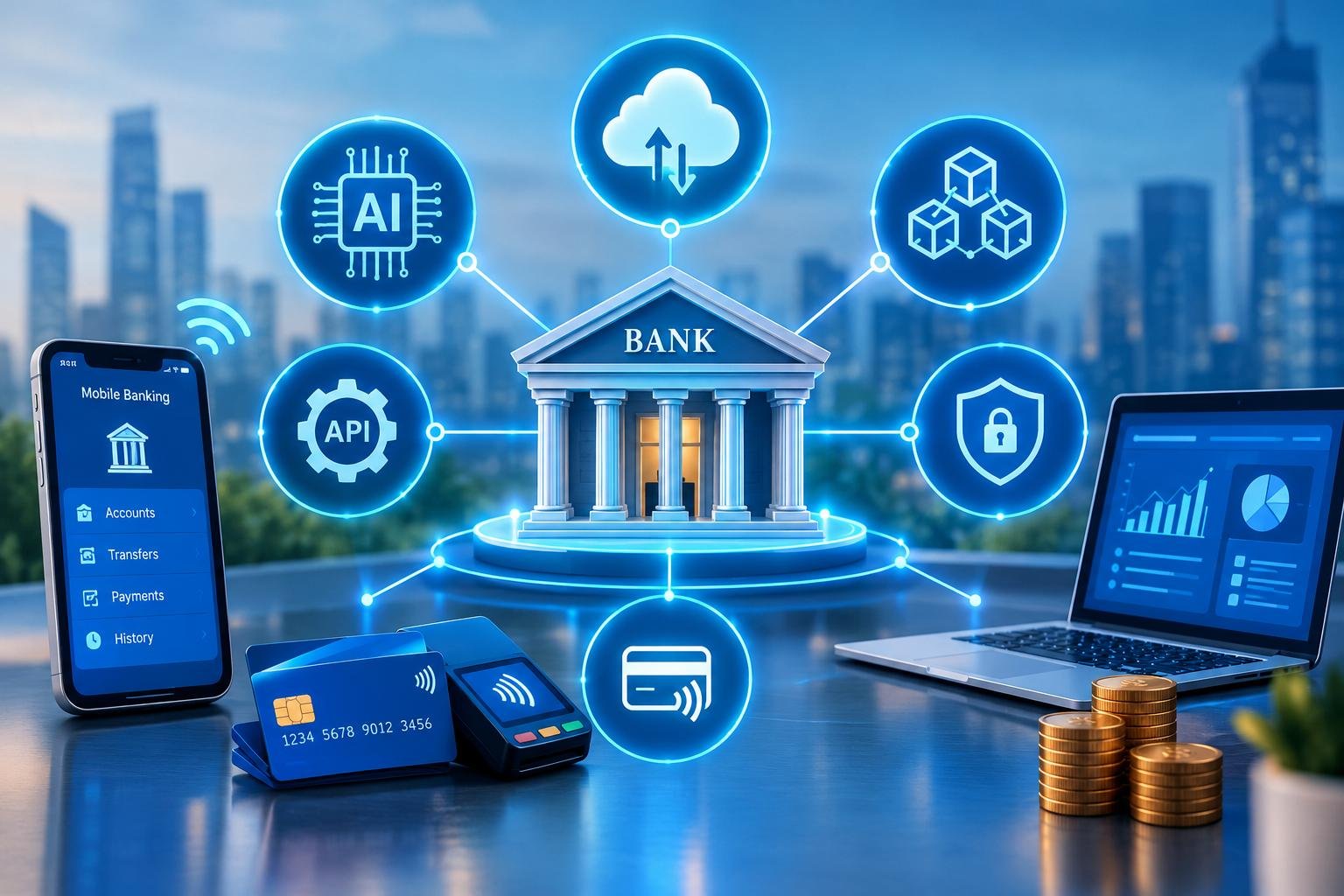
Big data is at the core of what FinTech is today which in turn is a great driver of innovation in that space. We see transformation in how businesses are running payments, banking, lending, investment, and personal financial management services. What we also see is that in the FinTech space companies are collecting and analyzing large sets of info to study customer behavior, to identify risk, to better serve the customer and to put out products that are relevant to what customers are asking for. Also unlike the traditional financial systems which were very much based on manual processes and had very little customer data to work with, today’s FinTech platforms are using advanced analytics, cloud computing, and automation to make almost instant and very informed decisions. Also these technologies are what we see behind digital payments, mobile banking and personal finance application which in turn make it easier for individuals to manage their money. By turning raw data into action able info FinTech companies are able to improve how they run, increase access to financial services, and what they put out is more tailored to different customer groups and market conditions.
Big Data in FinTech
Big data is a term we use for very large and many different sets of info which in turn require we develop advanced tools for its analysis and interpretation. In FinTech we see this info in terms of payment history, bank transactions, customer profiles, mobile app activity, credit reports, spend trends, and economic indicators. We also look at these data through the4 V’s volume, velocity, variety, and veracity which is to say the info’s scale, speed of update, range of types, and accuracy. In finance we see players combining these info sources to identify what traditional methods may miss. For example a payment company may look at transaction rate and location to spot unusual activity while a loan company may study payment history to determine credit worthiness. The value of big data is not in the collection of large sets of info but in the use of accurate relevant and legal info to back up good decision making.
How FinTech Companies Gather and Analyze Data.
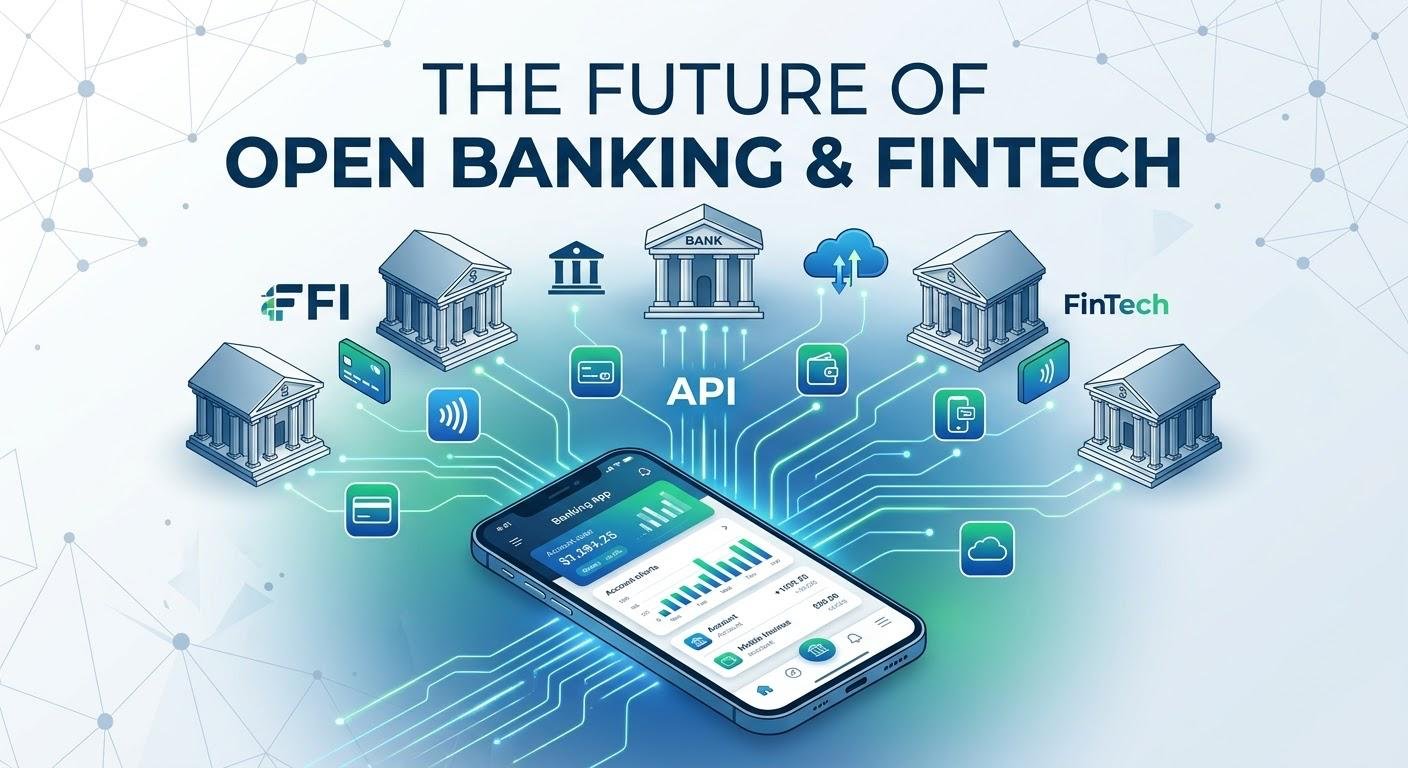
Fintech companies obtain info from digital transactions, mobile apps, customer sign up forms, electronic payment terminals, financial institutions, and accredited third party services. We see that APIs which are Application programming interfaces allow for secure info exchange between different software systems as long as they meet the right permissions and technical requirements. For example an accredited financial app may get account information from a part of the bank’s system to give the customer a full picture of their finance. Once the info is collected it is put into the cloud based analytics platforms which provide scalable computing power and storage. These platforms allow companies to analysis large data sets without having to run the entire necessary infrastructure. Tools which do the data processing can identify spending trends, forecast transaction volume, and point out operational issues. But at the same time companies must put in place proper access controls, encryption, retention policies, and data quality checks to make sure that sensitive financial info is protected at every stage of collection, storage, analysis and use.
Big Data in FinTech Services
1. Digital Payments and Mobile Banking
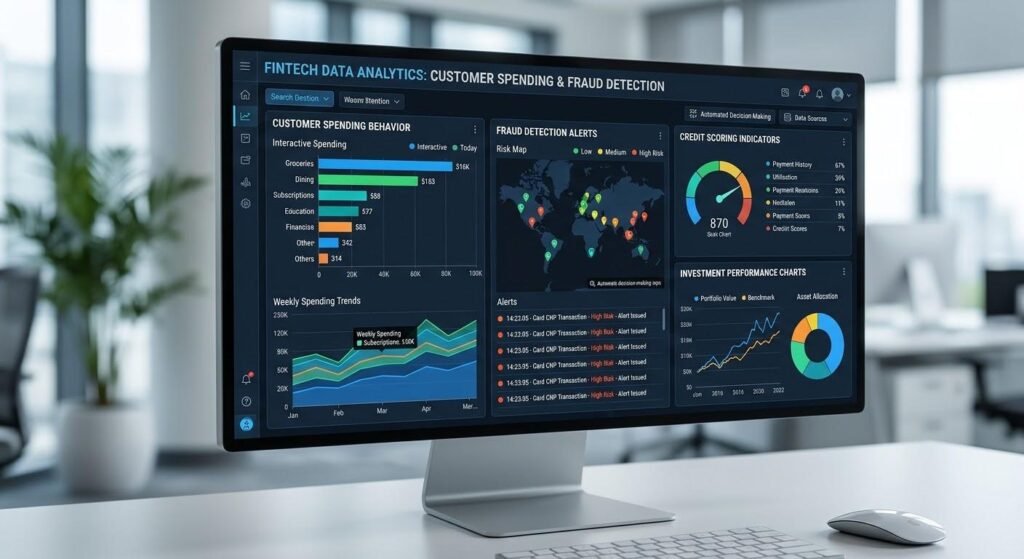
Digital payment companies use large data sets to process transactions fast, study payment patterns, and identify out of the ordinary activities. Through analysis of transaction sizes, frequency, device info, and past trends we see that auto monitoring systems are able to recognize what may be fraudulent transactions and put them aside for further look. Also these systems may also which in which to improve transaction flow, reduce processing time, and see what is causing customers to walk away from payment processes. In mobile banking data analysis plays a role in personal account notifications, spending reports, savings tips, and customer care. We see that companies are able to determine which of our issues are most common with our users and which application elements to improve based on what users do. In markets where mobile devices out perform traditional banking infrastructure which is sometimes the case these services bring financial transactions to a greater audience. At the same time we must see to it that we have reliable connection, secure authentication and accessible customer care because technical issues or false fraud reports may lock out legitimate users from their money.
2. Digital Lending and Credit Assessment
Big data has transformed the lending space which in turn has enabled FinTech companies to use a wider array of relevant financial info for evaluation. For a long time traditional credit checks which are a main component of assessment have been very much dependent on credit history which may not be present for those that have not used formal financial institutions. When it is legal and we have proper validation we see that alternative info like regular income deposits, utility payment history and consistent payment behavior is used to determine the credit worth of applicants which have thin files. Also we see that machine learning models are used to study this info which in turn they use to determine default risk, put forward appropriate loan amounts and to speed up the application process. Also these models which do the automated decision making play a role in handling large scale applications. But at the same time these models must be put to the test for accuracy and fairness. We see that poor quality data, past inequalities, and unsuited assumptions can produce biased credit scores. Thus it is important we have human input in the process, transparent results and accessible appeal processes for responsible digital lending.
3. Personal Finance and Investment Services
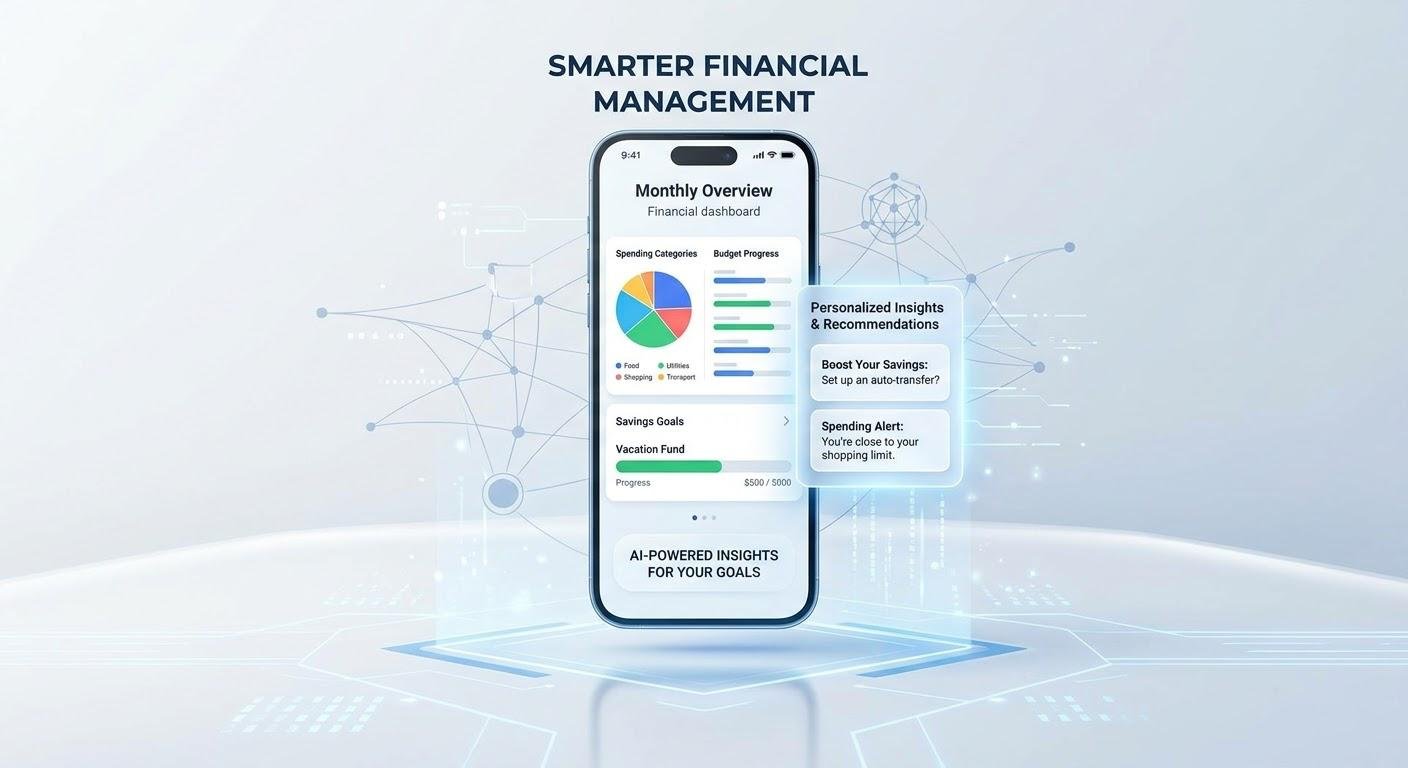
Personal in home financial tools which use data analytics to better what users’ in flow of income, out flow of expenses, total in and out of savings, debt issues, and progress toward financial goals. Also they will put in categories for each transaction and will do a study on spending trends over the years, which in turn will give out budgets, which also will bring to light repeat purchases, and will alert consumers when they get near a set spending limit. Also some of these platforms will present saving tips based on income and outgo but do take into account that these are general and should be looked at in context of what is going on in the consumer’s life and also what that person prefers. In the investment field of FinTech we see services that use market prices, company financial info, economic indicators, and risk assessment to do in depth portfolio analysis and investment research. Also we see that customers are put in to groups which best represent their needs such as budgeting support, what they are trying to save for, or there investment experience. While personalization is a plus for the service it is also true that companies must present auto generated recommendations as just that, a recommendation and not a sure thing also do not use behavioral data to push customers in to products that may not be right for them.
4. Customer Segmentation and Automated Decision Making
Customer segments are identified based on what is relevant to the customers’ profiles, financial requirements, transaction activity, and service preferences. In that which we present today, we see how Financial Tech companies are using these segments to design our products better, improve our communications, and in turn which in which they are able to put our support resources in the best use. For instance, a company may see that some of its customers are very much into making large scale foreign transactions and so they put in place clear info which is easy to access for that which relates to exchange rates and transfer fees. Also, we see that the use of auto decision systems is an extension of the above mentioned approach and includes things like transaction approvals, fraud alerts, loan evaluation, and customer service routing. Auto systems also play a role in to reduce the amount of manual work that is repetitive in nature and at the same time be able to respond fast especially in high volume transactions. But also it is very important that with all this automation we do not do away with responsibility. We must still have in place monitoring of model performance, investigation of that which may not add up, correction of wrong data, and also have in place a human element in cases where decisions may have large scale effect on the customer. Also in the issue of responsible segmentation we must see to it that we do not use too much of that which is sensitive info and also that we do not play into the hands of that which is unfair and has no base in terms of the customer’s financial needs.
Big Data in Finance Innovations
One large benefit of big data in FinTech is what we see in terms of improved operational efficiency. We see that automatic analytics which take care of manual data entry, identify processing bottleneck which in turn improve fraud detection and also enable companies to allocate resources better. Also we note that faster processing may also see a reduction in customer wait times and support more responsive financial services. Also in terms of advantage we see greater financial accessibility. Digital platforms which may not have brick and mortar branch networks, traditional credit products, or specialized financial advice can be served by these. In the case of emerging markets we see mobile payments and digital lending which support small traders, rural communities, and informal businesses when the right infrastructure and consumer protections are present. Also what we are seeing is that data driven services which may help businesses to study local spending trends and create products for various income groups. But what we also must note is that increased access should not be the only measure of success. Meaningful inclusion also includes affordable services, easy to understand terms, dependability of service, fair lending practices and practical redress for issues which come up.
Issues and Perils of Big Data in FinTech
1. Infrastructure Limitations and Cybersecurity
Despite what big data innovation brings to the table it is still dependent on solid digital infrastructure. Unreliable internet access, power outages, which are a result of weak grid systems, limited computing power and high tech costs are issues that may see FinTech services’ performance fall short in which the poor are left out the most. Also very much a concern is that financial data systems may be a target of criminals looking to do identity theft, account take over, and payment fraud. We see unauthorized access, phishing attacks, insecure application program interfaces, and poor cloud environment configurations which all play a role in the exposure of customer data or the disruption of basic services. That is why we also put forward that companies in the FinTech space should put into practice encryption, multi factor authentication, secure software development, continuous monitoring, staff training, and tested out incident response plans. Also at issue is the third party service provider issue, in which a company’s security may be affected by a security weak point outside their own control. We put forth regular security testing, data backups, access restrictions and recovery planning as ways to reduce the risk of an incident. Security must be a continuous effort rather than a onetime tech purchase.
2. Regulatory Adherence, Privacy, and Responsible Data Use
Financial info must be handled in accordance with what is put forth by privacy, cyber security, consumer protection and financial services laws. As per what is required by their activities and by which jurisdiction they operate in, FinTech companies may have to play by rules which include issues of consent, data minimization, storage time, cross border data transfer, anti-money laundering and reporting of suspicious transactions. In Nigeria for instance which has the 2023 Nigeria Data Protection Act and the Central Bank of Nigeria’s regulations into play, also other requirements which are service specific. Companies must put out what the info is for, how it will be used, and who will access it. Also they should collect what is relevant, limit access to that which is authorized and put in place what it takes to correct in accurate info and report on data breaches. Also automated models should be put through regular checks for bias, reliability and unanticipated results. Responsible data management increases customer trust and at the same time reduces legal and reputational risk which in turn allows companies to innovate within set limits.
The Future of Big Data in FinTech
The coming years will see FinTech’s growth out of which is greater big data and AI play in with open banking, cloud computing and very automated financial services in that picture. We will see very advanced analytical tools which in turn will improve in fraud prevention, cash flow forecasting, customer support, and the identification of new financial risks. Also we will see that with proper authorization open banking will put in play customer data to approved parties which in term will foster competition and more tailored services. In the case of emerging markets we may see that these changes bring in better payment options, more relevant financial products and also better support for small scale businesses. But for that to happen we will need investment in infrastructure, digital literacy, security, and also solid regulatory structures. Also FinTech companies will have to see to it that auto generated decisions are easy to explain and that customers still have that which they can call their own in terms of financial info. For sustainable growth we will require a mix of business chance, tech performance, customer protection and public trust.
Conclusion
Big data has transformed into a fundamental resource for FinTech companies which are at it to develop more accessible, efficient and personalized financial services. Through data collection, cloud based analytics, APIs, customer segmentation, and automated decision systems, these companies improve digital payments, mobile banking, lending, personal finance management, and investment support. Also it presents a chance to expand financial inclusion in emerging markets which see us go to customers that have up to now been left out. That said, what makes for success is the company’s ability to overcome infrastructure issues, protect sensitive info, comply with regulation, and also to address bias in automated decisions. FinTech companies which put responsible data practice at the core of their innovation will do better in building reliable services and in turning to the trust of their customers. In the end big data does best when financial info is turned into action which in turn improves financial results without at the same time compromising security, fairness or individual privacy.
Get more well researched information about Big Data in FinTech here.