Introduction
Car maintenance apps help owners track important vehicle services and keep their cars properly maintained. Oil changes, tire rotations, brake checks, battery tests, fluid changes, and filter replacements may follow different schedules based on mileage, time, driving conditions, or manufacturer recommendations. This can make it easy for drivers to forget an important service. A maintenance app can help by keeping service alerts, mileage, upcoming maintenance, and maintenance records together in one easy-to-use system.
The best apps will be useful, as they’ll do more than just make a reminder. They can also assist owners in keeping records of all maintenance work performed, track future services, log repair costs, and keep a history of the vehicle’s care. Others can also handle multiple cars, which is beneficial to those who own more than one car or are a family. But drivers should not take any application’s default suggestions for granted. A maintenance app is ideal as an organizational tool, which can aid the manufacturer’s recommended vehicle maintenance schedule and keep the owner on track.
Benefits of a Car Maintenance App
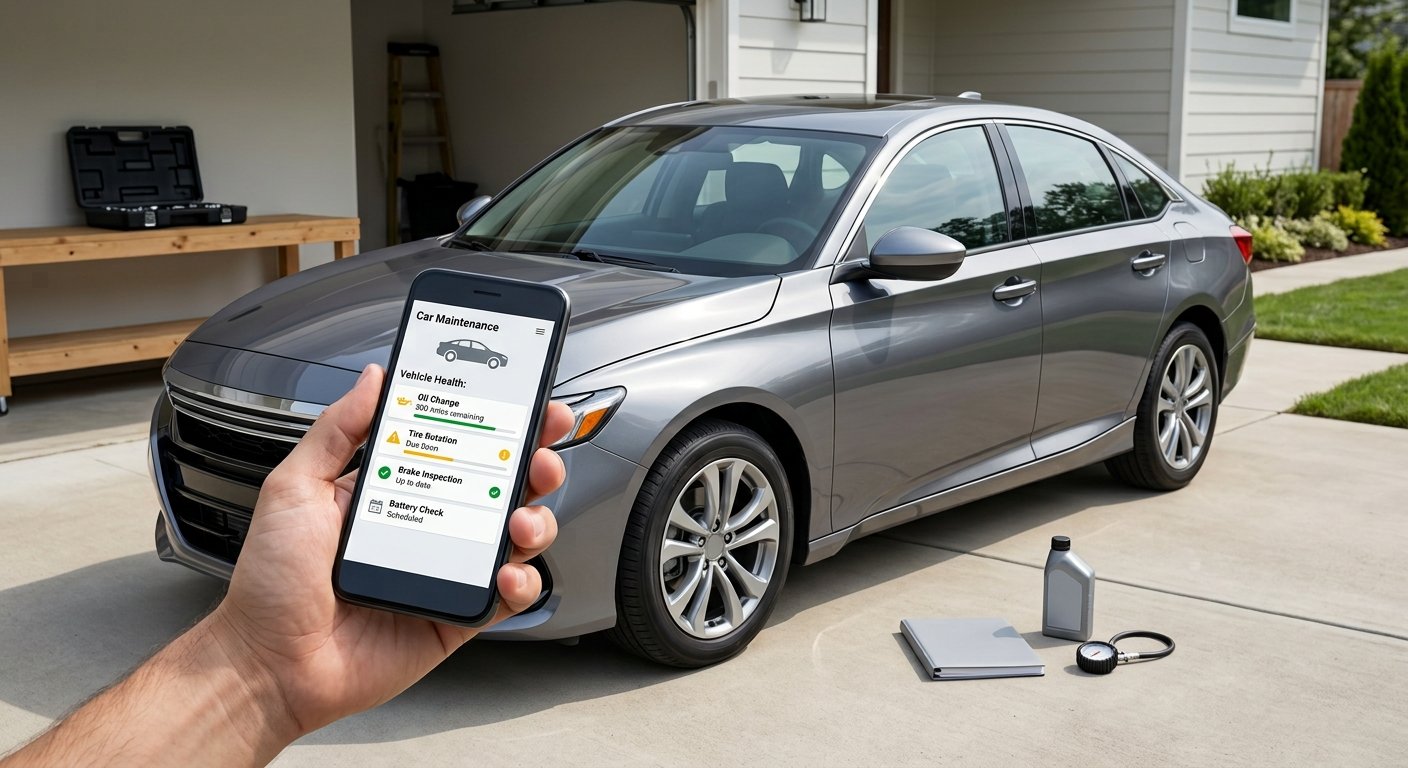
One of the most significant benefits of a maintenance app is that it will save you the trouble of making note of each and every service individually. A driver can log in the mileage and set reminders for tasks like oil changes, tire rotations, checking brakes, and replacing filters. With the information stored, the app can notify the user when a service is approaching. This will give the owner time to make an appointment as opposed to realizing that maintenance is due at the last minute.
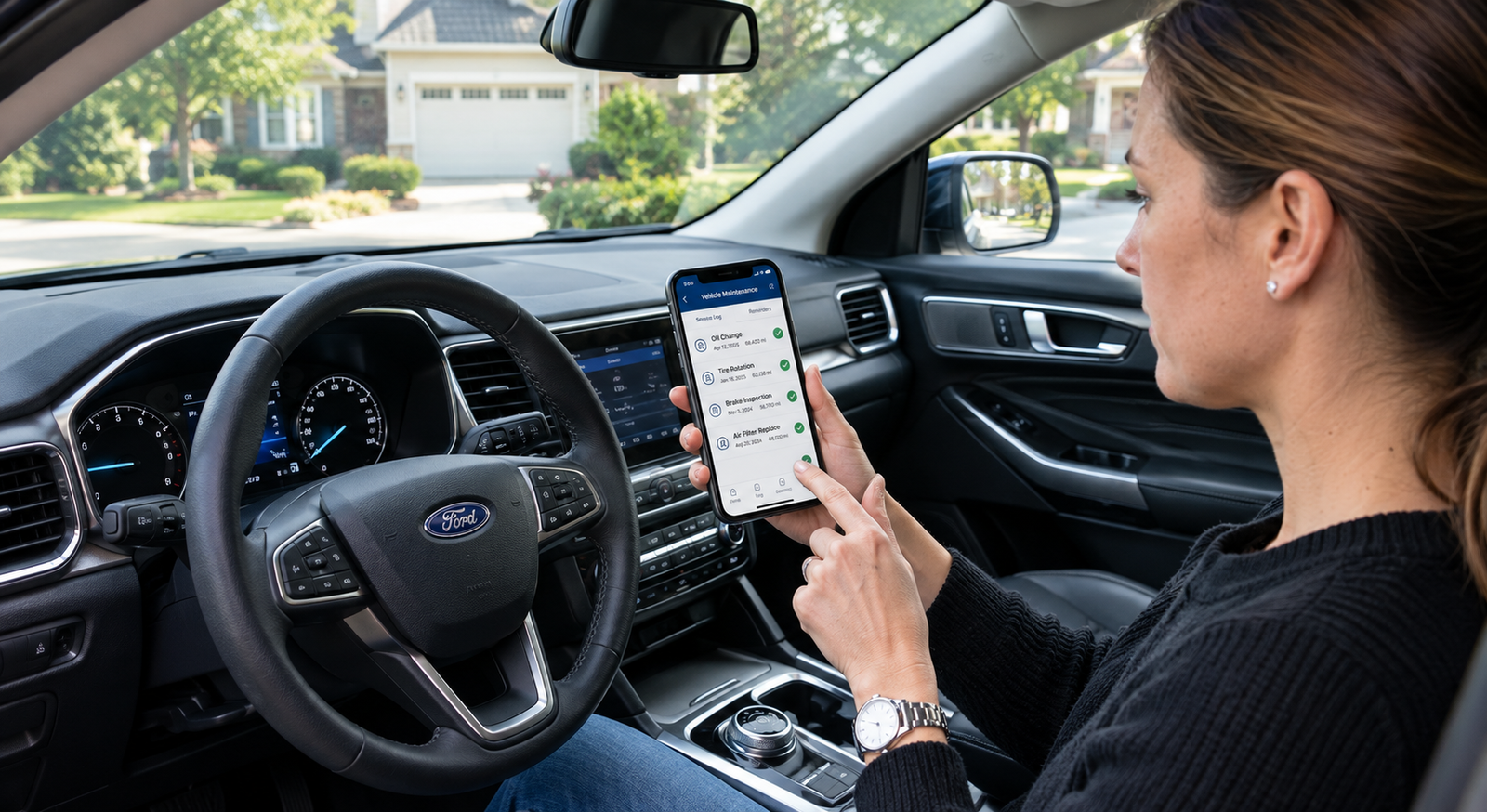
A digital maintenance record can also be very helpful as your vehicle ages. Rather than relying on a myriad of receipts, notebooks, and phone notes to keep track of maintenance, owners can have all of the information in one place. They can document when the work was performed, the cost of the work, and the parts or services used. This history can prove beneficial when discussing previous repairs with a mechanic and will likely be helpful in proving that this car has been well cared for when it is later resold.
Features to Look for in a Car Maintenance Application
Choose Mileage- and Time-Based Reminders
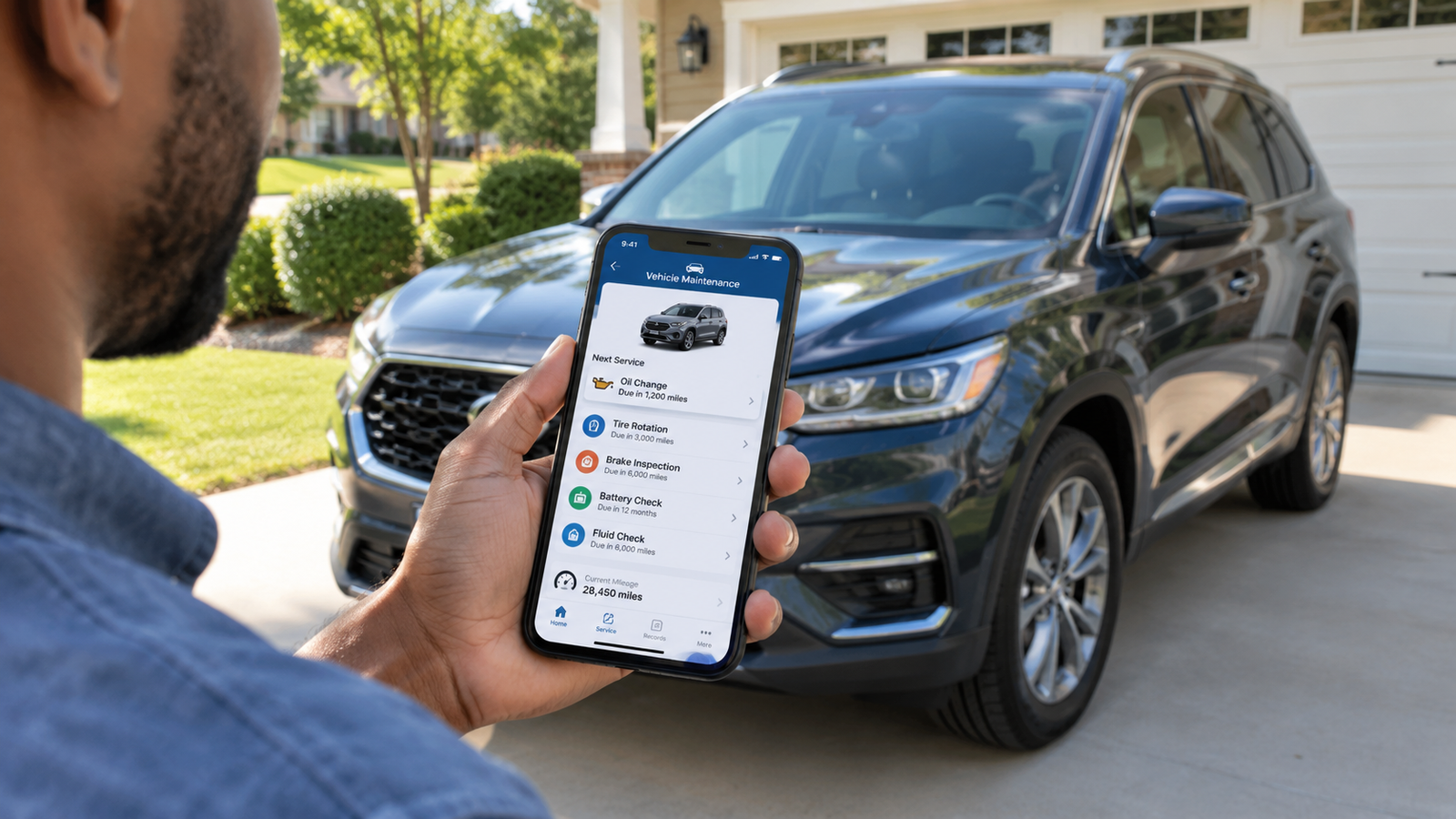
The maintenance reminder should be mileage- or time-based, depending on the kind of reminder it’s for. That’s important since vehicle maintenance is not always straightforward. For instance, a service could be suggested after a car goes through a particular number of miles or a certain number of months, whichever comes first. Heavy-duty vehicles may accumulate mileage towards the limits sooner than time-based limits, while light-duty vehicles may accumulate time towards the limits sooner than mileage-based limits.
It’s not about notifications; it’s about customization. Owners should be able to customize reminders to their individual vehicles and manufacturer’s guidelines. The app should also notify the driver ahead of time so that they can make arrangements for service. An editable reminder system is much more useful than one that has the same time periods for all cars.
Records of Maintenance and Services
Another aspect to look for is the maintenance history. Services like oil changes, brake work, tire rotations, battery replacements, inspections, and fluid changes should be recorded by an owner. Ideally, the record should contain the date and mileage, along with notes on what was actually performed. This will allow you to better understand the work that has already been done, so you can plan a second service.
Detailed records can also help to avoid unnecessary work. When a component is recommended for replacement, the owner can view the maintenance history to determine if the component has been replaced recently. It’s always a good idea to keep receipts separately, but a digital application gives an instant overview of the vehicle’s service history. That information can be more valuable than a series of reminders over a period of several years.
Monitoring of Oil Changes and Fluid Replacement
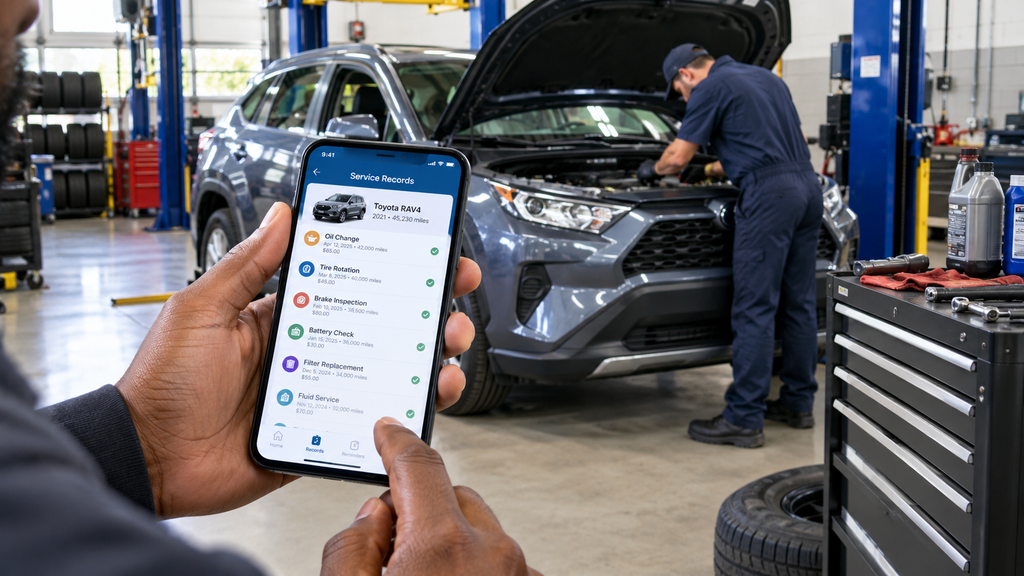
One of the more frequent maintenance jobs that many cars require is oil changes, and they’re also a job easily postponed. A maintenance application can log the oil change date and mileage and set a reminder to change the oil again. Some applications enable the owner to add a field for the oil type, filter change, service expense, and notes from the mechanic. This provides a convenient history rather than just showing that an oil change was performed.
A vehicle’s digital schedule should also include a fluid maintenance schedule. Some owners might have to check coolant, brake fluid, transmission fluid, power steering fluid, and other fluids depending on the vehicle. Please refer to the owner’s manual and official manufacturer information before making reminders, as the service intervals and specifications may vary. It is then a handy tool to remind the owner of near-future inspections or replacements.
Tire Maintenance
Maintaining tires goes beyond waiting for them to wear out. As a responsible vehicle owner, it’s important to monitor tire rotations, pressure checks, inspections, and replacements. A maintenance application can alert drivers when a tire rotation is needed and also keep track of the date of service. This can be especially beneficial since most drivers tend to think only of oil changes and other engine-related maintenance services.
In some apps, owners can also document tires’ replacement periods and include notes on wear. These records can be used to determine changes over time. For instance, the owner may want to consult with a professional and fix the issues related to unusual or even noticeable wear on the tires. The app is not able to tell you why the wear occurred, so making observations will help you build up a history. Drivers should also routinely check tire pressures as recommended by the vehicle manufacturer and should get tires with damage and/or questionable treads professionally checked.
Monitor Brakes, Batteries, and Filters
Reminders help with organization when it comes to brake maintenance. Owners can note brake services performed, brake pad changes, rotor work, and more. But brakes should never be considered a part that has to be safe when a given mileage is reached. How quickly brakes wear depends on a number of factors, including driving conditions, traffic, vehicle weight, driving habits, and component quality.
The battery and filter service schedule can also be included as part of a digital schedule. The date a battery is installed can provide an owner with information about the battery’s age; reminders can be set up for inspections or replacement of engine and cabin air filters. These records are particularly valuable if the car has been sold or if a lot of maintenance has taken place over the years. An app, however, can’t know for certain the actual condition of a battery, filter, or brake system. Physical inspection is still relevant.
Selecting the Most Suitable Maintenance Application
Not all maintenance apps have to be the most feature-rich ones. If the driver doesn’t need to learn a ton of complicated features on a new app, a simple and accurate application may be more useful. The user interface should be user-friendly and allow for the easy addition of a completed service, as well as the ability to view what services are coming due. The more difficult it is for the owner to update the application, the less likely they are to keep up with their records.
Owners of more than one vehicle should seek out flexibility in the number of vehicles they own. Owners may also find it beneficial to track their expenses, as this can provide them with the information they need regarding their maintenance and repair costs. Receipt storage, service category settings, notifications, data synchronization to the cloud, and data export are other features that may prove useful. It’s also important to keep in mind that before using an app on a heavy basis, the maintenance information can be backed up or transferred if the owner switches phones.
How to Create a Digital Maintenance Plan
Once an application is selected, vehicle owners should first enter all of the correct information. This can be the make, model, model year, current mileage, and more that may be requested by the application. The owner should then refer to the vehicle maintenance information and determine the right important routine services to conduct. If the car has a maintenance history, major previous services should be added if possible, to ensure that a useful history of services is on the digital history.
Once this is done, the owner needs to refresh the application when the maintenance is done. Let’s say you change your oil, rotate your tires, get them inspected, or have them repaired, and document it right away—when it’s fresh in your mind—it will be better than having to remember it several months later. Owners are able to put the date, mileage, cost, and other notes. With this small habit, the app becomes very useful, as reminders and maintenance history are always accurate. The purpose of the program is not to make a complex system of records; it is to develop a simple procedure that will ease the management of vehicle maintenance.
Common Mistakes When Using Maintenance Apps
One of the big errors is thinking that the maintenance schedule provided by the application is suitable for all cars. Though made by the same manufacturer, various models may require different services. Factors such as type of engine, transmission, model year, driving habits, and geographic recommendations all play a role in maintenance needs. Owners are advised to check these intervals in the owner’s manual or official manufacturer’s information before taking action based on them.
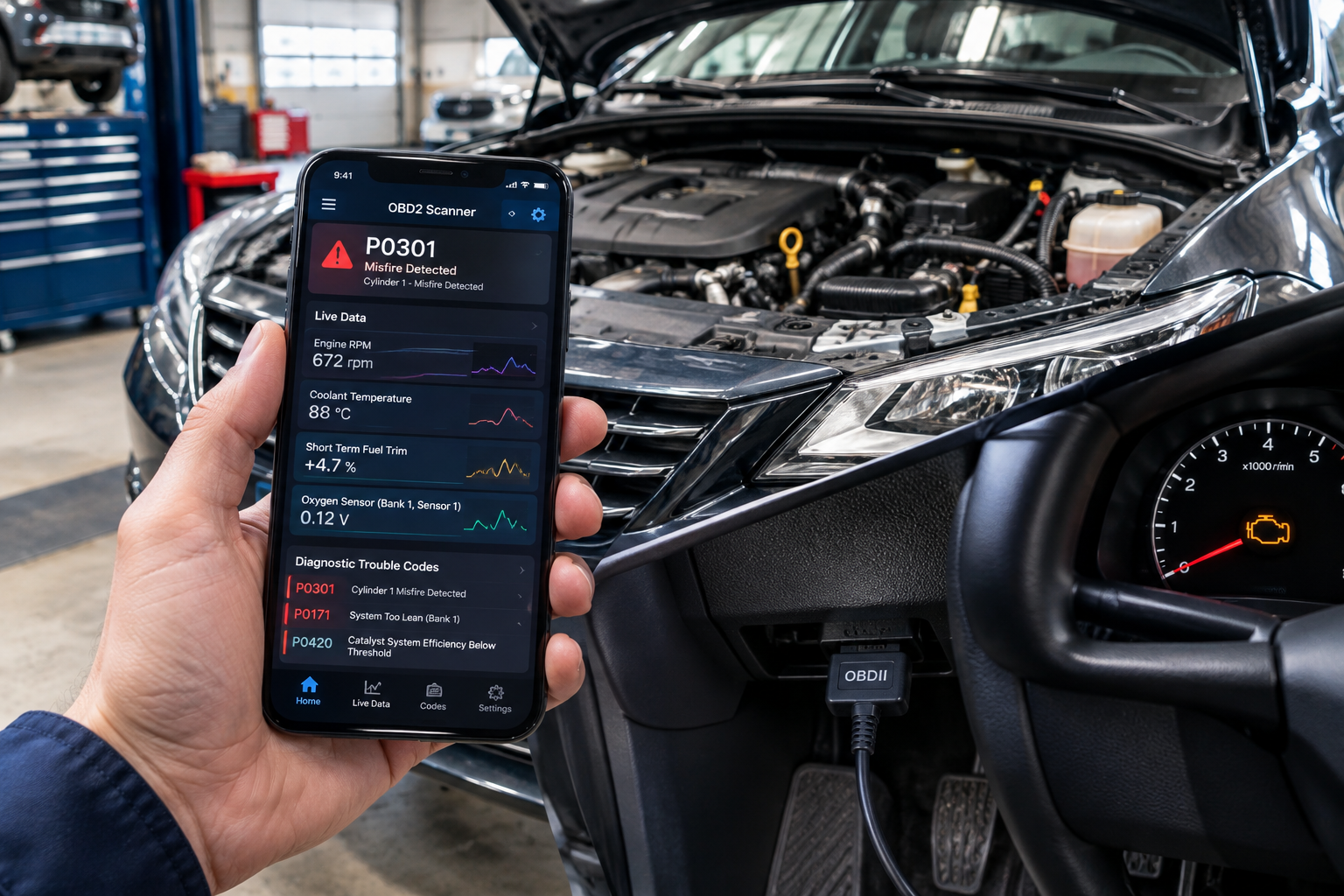
Another error is replacing vehicle inspections with an app. An alert indicating that the brakes, tires, or battery are not due for scheduled service does not mean that they are not operating as they should. Issues may arise between maintenance. Don’t assume that a problem isn’t happening just because it’s on the later service schedule in the app. If there are warning lights, strange noises, fluid leaks, or any other indication that something might be amiss, explore it further instead of brushing it aside because there’s a later service date on the app. The application should schedule maintenance rather than diagnose the car.
Advantages of Digital Maintenance Tracking
Having a well-managed electronic schedule can help make vehicle ownership more predictable. Drivers are able to identify services that have been completed, services that are coming, and services that may be required in the future. This can decrease the likelihood of forgetting the regular work and can make scheduling appointments simpler. It can also assist the owner with contingencies rather than having to deal with the maintenance as a surprise.
Reminders can be as important as the long-term service history. It may be hard to keep track of all of the repairs that have been done to a vehicle that is in use for many years. A digital record provides the owner and mechanic with a better understanding of the vehicle’s history. It can also facilitate the responsible maintenance of the vehicle at the point of sale. While it is not always required to replace an invoice and receipt with a digital record, having both documents on hand will give more thorough documentation of the vehicle’s care.
Conclusion
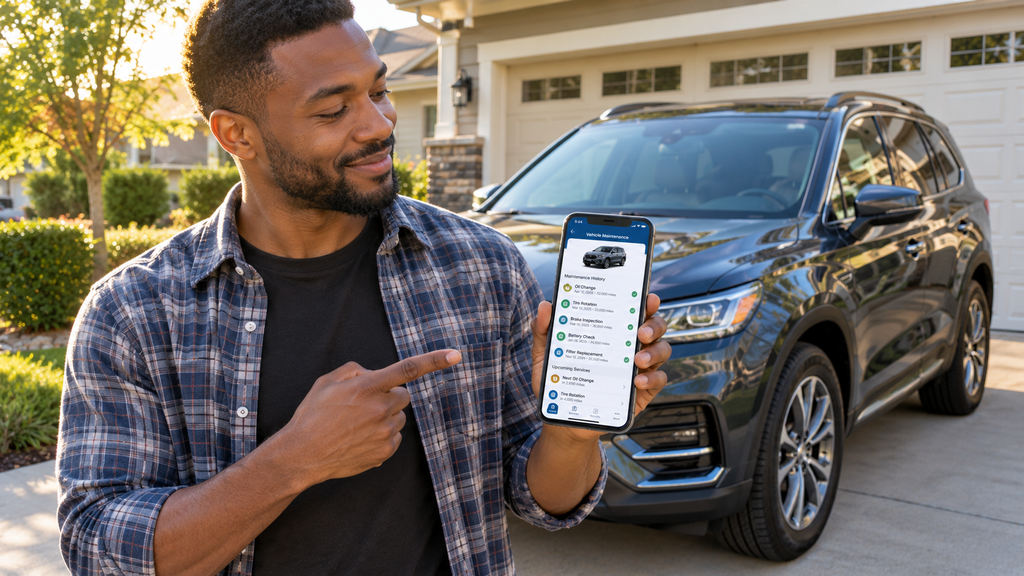
Maintenance apps can make car ownership more convenient by assigning and managing periodic maintenance based on mileage, time, and manufacturer’s guidelines. Drivers do not have to memorize all of these oil changes and other maintenance reminders; they can be given via the vehicle maintenance application. Management of these records digitally can also help to ensure that this information is easily understandable, so owners know what work has been done and what should be done next.
It’s important to use the app properly. The maintenance schedule should continue to be based on the manufacturer’s recommended schedule, and the application should remind and organize. Additionally, scheduled maintenance can’t prevent all mechanical issues, and drivers should be aware of that. If the vehicle data is correct, reminders are dependable, and records are kept well, a maintenance app becomes a helpful tool to help avoid necessary services being overlooked and ensure a vehicle’s maintenance history is well documented.