Attic insulation is often promoted as an easy way to cut bills, but homeowners should expect a more balanced answer. The value depends on the condition of the current attic, the source of the comfort problem, the quality of the installation, and how long the owner plans to remain in the house.
A well-targeted project can be worthwhile. An upgrade that ignores leaks, ducts, or moisture may deliver less than expected.
Start With the Current Condition
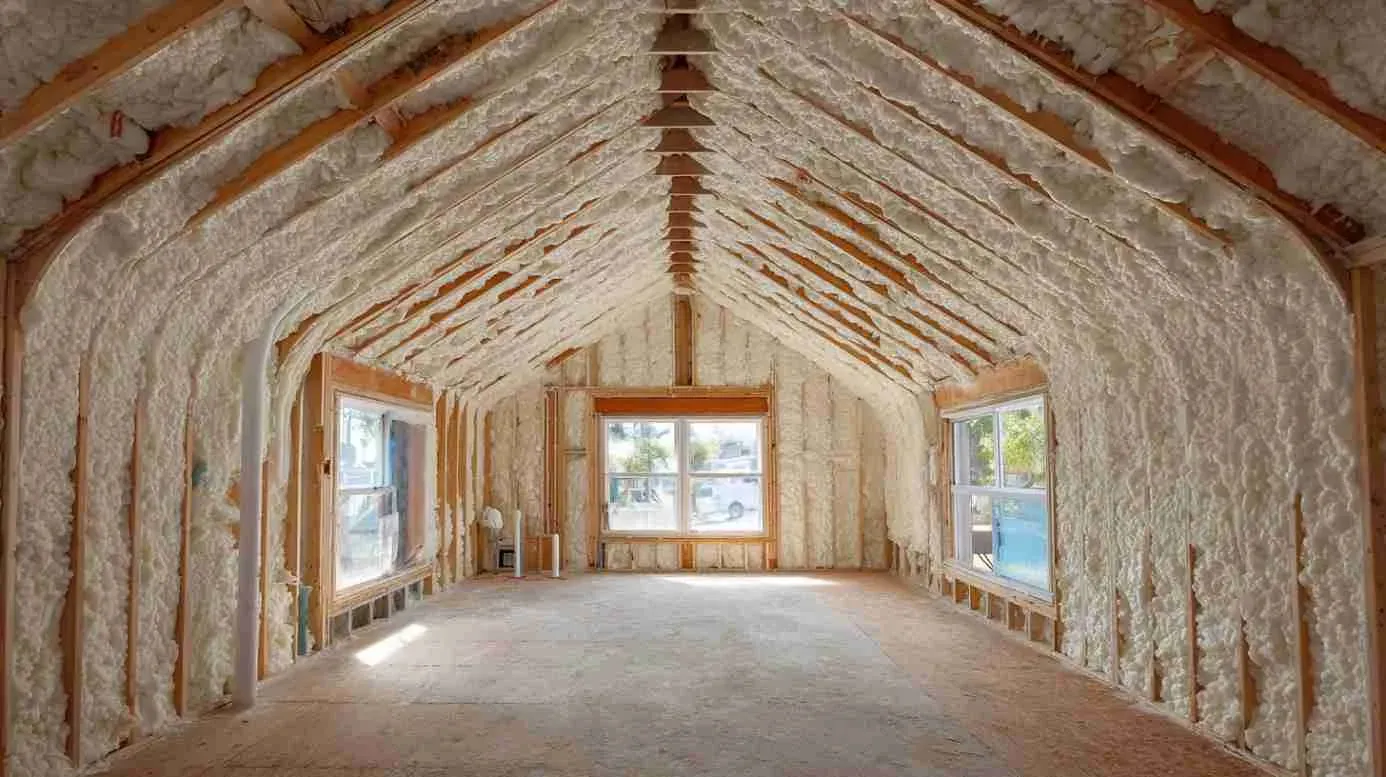
An attic with large bare areas, thin settled material, or an unsealed hatch has clear room for improvement. A well-insulated attic with strong air leaks elsewhere may need a different plan.
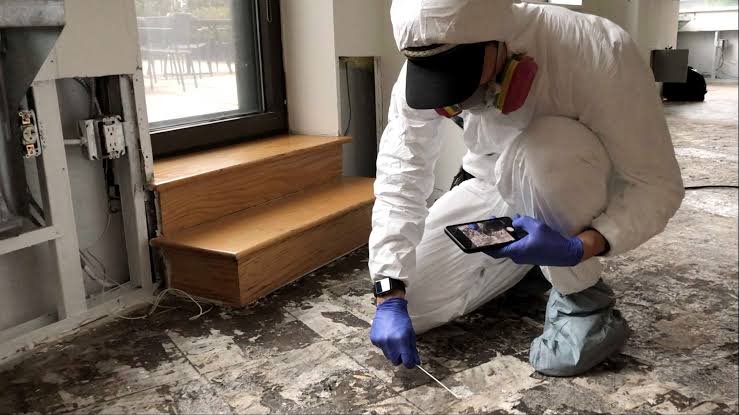
The inspection should record material type, depth, coverage, moisture, vents, ducts, and ceiling openings. This creates a baseline for the decision.
Comfort Can Be the Main Benefit
Homeowners often notice that upper rooms stay hot, ceilings feel warm, or the air conditioner runs for long periods. Better attic coverage and air sealing may help create steadier room temperatures.
Comfort is difficult to price, but it matters. A bedroom that becomes usable in the afternoon may be a meaningful result even when the project is not judged only by a utility bill.
Energy Savings Depend on the Whole House
Insulation slows heat transfer, yet windows, ducts, air leaks, equipment condition, and thermostat settings also affect energy use. No contractor can promise the same savings for every home.
When asking is attic insulation worth it in florida, homeowners should request a realistic explanation of what the work can and cannot change. Broad claims about a fixed percentage of savings should be treated with care.
Miami Heat Makes Weak Areas Noticeable
Strong sun can create high roof and attic temperatures. Thin coverage near eaves, additions, and attic hatches may allow more heat into the living area.
A plan for attic insulation miami should identify these weak zones and preserve ventilation where the attic is designed to remain vented. Even coverage matters as much as the average depth.
Air Sealing Can Improve the Upgrade
Gaps around pipes, wires, fans, and wall tops can allow hot attic air to enter the home. Sealing suitable openings before adding insulation may improve performance.
This work must respect clearances around fixtures, vents, and combustion equipment. A trained crew should follow local rules.
Old Insulation May Not Need Full Removal
Clean and dry material can sometimes stay beneath a new layer. Removal may be needed for water damage, contamination, pests, major repairs, or access to the attic floor.
Avoid paying for full removal without a clear reason. Local repair may be enough when damage is limited.
Consider Home Plans and Resale
Owners who expect to stay for many years may value comfort and lower cooling demand over a long period. Sellers may value a documented upgrade, though buyers can still judge the full condition of the home.
Keep invoices, product details, photographs, and warranty information. Good records make the work easier to explain later.
Choose Quality Over Maximum Quantity
More material is not always better if vents are blocked, gaps remain, or equipment becomes inaccessible. A careful installation should protect vents, mark service areas, and treat the attic hatch. The best proposal solves known weak points and fits the home’s design.
Measure Results With Simple Checks
After the project, note whether room temperatures are more even and whether the air conditioner reaches the set point with less strain during similar weather. Compare several weeks rather than one day.
Homeowners can also inspect the attic hatch for heat and ask the contractor to correct any thin or disturbed areas found during the final review. Ask for a final visit if comfort problems remain. The cause may be a missed thin area, a disturbed section, or an issue outside the insulation scope. Document that visit.
Conclusion
Attic insulation can be worth the cost when the attic is under-insulated, uneven, or leaky and the project addresses those conditions well. The value may appear in comfort, cooling demand, and a more stable indoor space.
Miami homeowners should base the decision on an inspection and a complete scope rather than a sales promise or a single price.