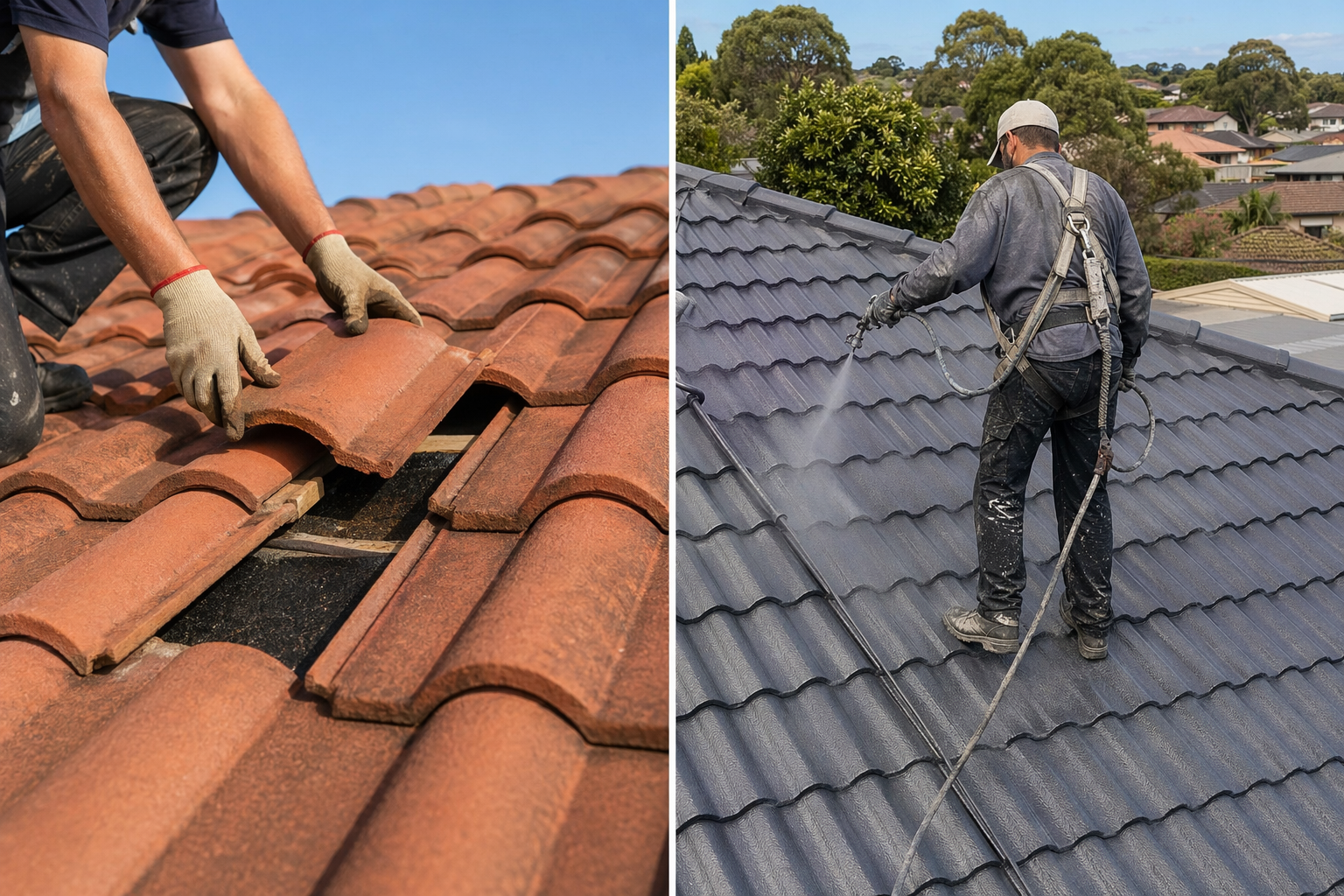
A sturdy roof protects your home from harsh weather elements. In Melbourne, properties face a unique mix of intense summer sun, sudden heavy downpours, and freezing winter winds. Tiled roofs are popular across local suburbs because they look classic and last for decades. However, constant exposure to unpredictable weather can cause concrete or terracotta tiles to crack, shift, or lose their protective coatings over time.
Ignoring minor tile damage can lead to costly ceiling repairs, structural wood rot, and internal water leaks. When dealing with these issues, finding reliable and skilled professionals is your best first step. Homeowners frequently turn to a local search for trusted roof tilers near me to connect with qualified experts who understand the specific challenges of Victorian roofing systems. Taking care of your roof today saves you thousands of dollars down the line.
The Benefits of Choosing Tiled Roofing
Property owners continue to select tiles over modern metal sheets for several clear reasons. Tiles offer a distinct set of practical and financial advantages for residential houses.
Exceptional Thermal Efficiency
Tiles absorb and release heat slowly. During hot summer days, a tiled roof acts as a barrier, preventing a large portion of external heat from entering your living spaces. In winter, the heavy thermal mass helps retain warmth inside the house. This natural insulation reduces your reliance on air conditioning and heaters, which lowers your monthly electricity bills.
Acoustic Comfort
Melbourne often experiences heavy rain and severe hailstorms. Metal roofs can become extremely loud during these storms, disrupting sleep and daily conversations. Thick concrete and terracotta tiles absorb sound vibrations naturally, creating a quiet and peaceful indoor environment.
Long Term Value and Durability
A well-installed tile roof can easily last for fifty to one hundred years. Terracotta tiles do not rust, and their natural baked-clay color does not fade under UV rays. This long lifespan increases the overall resale value of your property, as buyers appreciate a durable, low-maintenance structure.
The Most Common Roof Tile Challenges
While tiles are incredibly strong, they are not completely indestructible. Regular maintenance is necessary to prevent common environmental factors from causing severe damage.
- Cracked and Broken Tiles: High winds can throw tree branches onto your roof, cracking individual pieces. Foot traffic from unlicensed tradespeople walking incorrectly on the roof can also break fragile tiles.
- Displaced Mortar and Bedding: Tiles are held in place along the ridges and hips by a sand and cement mixture called bedding, which is finished with a flexible pointing compound. Over time, building movement and temperature shifts cause this mortar to crack and fall away, leaving tiles loose.
- Moss and Lichen Growth: Melbournian winters create damp conditions that promote the growth of moss, algae, and lichen on porous tile surfaces. These organisms trap moisture against the tile, speeding up deterioration and blocking water channels.
- Weeping and Water Seepage: As concrete tiles age, their original factory glaze wears away. The raw concrete becomes porous and absorbs rainwater like a sponge. This moisture then leaks onto the timber battens underneath, causing hidden rot.
Step-by-Step Roof Restoration Process
Restoring a tiled roof involves a detailed, systematic approach to return the structure to its original condition. Professional teams follow a precise sequence of tasks to ensure a long-lasting finish.
- Comprehensive Inspection: Technicians walk the roof surface to locate every broken, cracked, or improperly fitted tile. They check the condition of the valley irons, flashings, and ridge capping.
- Pressure Cleaning: Using high-powered water blasters, workers remove decades of accumulated dirt, moss, lichen, and loose old paint. This step clears the water channels and prepares the surface for fresh coatings.
- Re-bedding and Re-pointing: Teams remove all loose, damaged mortar from the ridge caps. They apply fresh cement bedding and then seal the joints with a flexible polymer pointing compound that accommodates natural building expansion.
- Sterilization and Priming: An anti-fungal solution is sprayed across the clean tiles to kill any remaining microscopic spores. A heavy coating of primer is then applied to seal the porous surface and ensure maximum adhesion for the final coats.
- Protective Coating Application: Two coats of specialized acrylic roofing membrane are sprayed onto the tiles. This membrane creates a shield against water penetration and reflects solar radiation.
Emerging Trends in Residential Roofing
The residential roofing industry is shifting toward solutions that improve home efficiency and reduce waste. Homeowners now look for modern options when scheduling upgrades.
Cool Roof Coatings
Modern reflective coatings are becoming a standard choice during restorations. These formulas utilize advanced pigments that bounce solar heat away from the building. By preventing heat absorption, the internal temperature of a home stays significantly cooler during peak summer heatwaves.
Color Adaptation
Color choices are moving away from traditional bright reds toward neutral, contemporary tones. Charcoal, deep grays, and soft earth tones are highly sought after in modern suburbs. These colors complement minimalist architectural styles and instantly modernize older brick veneer homes.
Material Recycling
Environmental awareness has changed how old roofs are managed. Instead of sending cracked concrete or terracotta tiles directly to landfills, companies now crush the waste material. This byproduct is repurposed as aggregate for road bases and new construction projects, minimizing the environmental footprint.
Final Thoughts
Maintaining a tiled roof requires regular attention, but the rewards are clear. By addressing cracked mortar, removing moss growth, and applying protective coatings, you safeguard your home from costly structural damage. A healthy roof improves insulation, keeps your living spaces quiet, and preserves the structural integrity of your property.