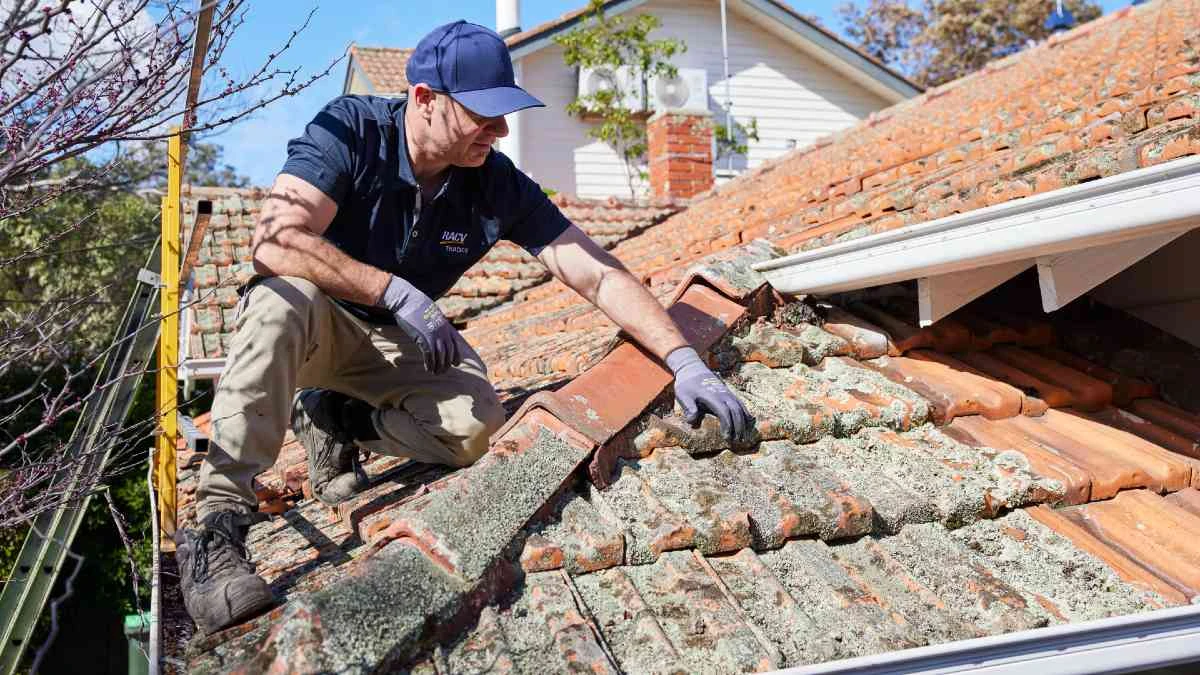
The roof over your head is the most critical shield your property has against the elements. In Victoria, property owners deal with some of the most unpredictable weather conditions in the country. From scorching summer heatwaves to sudden winter downpours and severe hail storms, local roofs take a heavy beating year-round. Despite this, structural maintenance above eye level is often forgotten until water starts dripping through the ceiling plaster.
A proactive approach to maintenance saves thousands of dollars in emergency fixes. This comprehensive guide breaks down everything you need to know about a professional roof inspection Melbourne, detailing the process, local challenges, modern trends, and financial benefits for residential and commercial property owners.
Why Regular Assessments Matter for Melbourne Properties
A structural check is not just about finding existing leaks. It serves as a comprehensive health check that identifies micro-damage before it escalates into a structural failure. Small defects like a single displaced concrete tile or cracked ridge capping mortar allow water to seep into the roof cavity silently.
Once moisture enters the roof space, it rots timber framework, destroys attic insulation, and creates hazardous mold growth long before a stain appears on your internal ceiling. Regular assessments establish a clear baseline of your asset’s condition, helping you track wear and plan maintenance logically rather than reacting during a major storm.
Key Benefits of a Professional Roof Assessment
Investing in regular expert evaluations provides concrete advantages for property longevity and financial planning.
1. Extended Roof Lifespan
Roofs that receive periodic evaluations last up to 25% longer than neglected structures. Spotting issues early allows for targeted restorations, such as re-pointing or replacing a few sheets of metal, which pushes back the need for a costly full structural replacement.
2. Substantial Financial Savings
Fixing a minor flashing fault or cleaning out a blocked valley costs a fraction of the price of dealing with structural timber rot or ruined electrical systems. Preventative maintenance has a high return on investment by eliminating emergency call-out fees during major weather events.
3. Smooth Insurance Claims
When severe weather hits, insurance companies require proof that the property owner has maintained the building. A documented history of professional assessments proves you have exercised due diligence, making it much easier to get storm or hail damage claims approved quickly.
4. Preservation of Property Value
If you plan to sell a home or commercial building, a certified report offers peace of mind to buyers. Pre-sale building inspections regularly flag unmaintained roofs, which can cause sales to fall through or lead to heavy price drops during negotiations.
Local Structural Challenges in Melbourne
The geographic location and historical layout of Melbourne present unique issues that property owners must manage.
- The Southern Hail Belt: Certain regions, particularly across the eastern and outer-northern suburbs, sit directly within volatile storm corridors. Severe hail impacts cause structural bruising on asphalt surfaces and micro-fractures in concrete tiles, which immediately compromise water resistance.
- Extreme Temperature Fluctuations: It is common to experience rapid temperature drops following a hot summer day. This rapid shift causes thermal expansion and contraction, which cracks older bedding mortar and loosens metal fasteners over time.
- Heritage Overlay Constraints: Suburbs like Carlton, Fitzroy, South Melbourne, and Kew contain thousands of properties bound by strict heritage rules. You cannot simply swap old slate or terracotta for steel panels without council approval. Specialists must evaluate these structures to ensure compliance with historical preservation standards.
Current Industry Trends in 2026
The roofing sector has evolved to match modern safety standards and technological growth. Local inspections now use specific tools and sustainable practices to deliver better accuracy.
Drone and Imagery Technical Assistance
Climbing tall ladders poses significant physical risks. Modern inspectors regularly use high-definition drones to capture detailed aerial views of complex pitches, deep valleys, and hard-to-reach areas safely. This technology provides clear visual proof of damage without risking damage to brittle tiles during a physical walkover.
Strict Height Safety Protocols
The regulatory landscape has become much tighter. Recent updates to Australian Standards (specifically AS/NZS 1891 and AS 1657) demand strict edge protection, guardrails, or certified fall-arrest setups for any commercial or residential work occurring above a two-meter fall height. Certified professionals must ensure all onsite safety gear matches these updated load ratings.
Focus on Energy Efficiency and Cool Roof Materials
Property owners want structures that lower power bills. Modern evaluations look closely at solar feasibility, ventilation functionality, and the state of reflective roof coatings. Restoring a roof surface with modern reflective paint reduces building heat absorption, lowering household cooling costs during summer.
Common Areas Evaluated During a Check
A thorough inspection covers multiple points across the exterior and interior sections of the structure.
| Roof Zone | Specific Checked Points | Risk If Left Unchecked |
| Tile Surfaces | Cracks, chips, shifting, or moss build-up | Active water leaks into ceiling plaster |
| Ridge Capping | Condition of bedding mortar and flexible pointing | Loose caps blowing off; water entry at peak |
| Metal Panels | Rust spots, loose screws, oil-canning, buckling | Sheet separation during high wind storms |
| Flashings | Separation around chimneys, skylights, and vents | Hidden, localized leaks behind internal walls |
| Drainage Systems | Gutter rust, sagging brackets, blocked downpipes | Water overflowing into timber fascia and foundations |
| Internal Cavity | Sagging rafters, damp insulation, light holes | Unseen structural timber rot and mold |
Final Thoughts
Your roof is a complex asset that requires consistent attention to perform correctly. Relying on guesswork or waiting for a visible leak to appear leads to avoidable structural damage and high repair bills. Organizing a professional assessment gives you a clear, itemized overview of your property’s current health, ensuring it stays weather-tight through every season.