Table of Contents
1. The Evolution of Vendor Relations in the Digital Age
2. Identifying the Friction Points in Manual Vendor Management
3. The Strategic Shift from Transactional to Transformational
4. How Automation Bridges the Communication Gap
5. Strengthening Compliance and Risk Mitigation
6. Enhancing Financial Transparency and Cash Flow Predictability
7. Leveraging Data Analytics for Better Negotiations
8. Scalability and the Future of Automated Partnerships
9. Cultivating Long Term Value Through Integrated Systems
The Evolution of Vendor Relations in the Digital Age
The landscape of modern business is no longer defined by isolated entities operating in silos. Instead, it is a complex web of interconnected partnerships where the success of a lead organization is deeply intertwined with the reliability and efficiency of its suppliers. Traditionally, vendor management was viewed as a back office administrative task focused primarily on cost containment and basic procurement. However, as global supply chains become more volatile and digital transformation accelerates, this narrow view is no longer sustainable.
The shift from a problem centric approach to a partnership centric model requires a fundamental change in how data and communication flow between parties. Organizations are moving away from treating vendors as mere line items on a balance sheet and are beginning to view them as strategic assets. This evolution is driven by the realization that a healthy vendor ecosystem fosters innovation, reduces operational risk, and provides a competitive edge in a crowded marketplace. To achieve this, companies must look beyond manual spreadsheets and embrace sophisticated technological frameworks that allow for seamless interaction.
Identifying the Friction Points in Manual Vendor Management
Before an organization can elevate its vendor relationships, it must first acknowledge the inherent flaws in manual processing. Traditional vendor management is often plagued by fragmented communication, missing documentation, and a lack of real time visibility. When procurement teams rely on paper based systems or disparate email chains, information becomes trapped in departmental silos. This leads to late payments, disputed invoices, and a general sense of frustration on both sides of the transaction.
Manual data entry is another significant hurdle that introduces human error into the financial ecosystem. A single mistyped digit can result in payment delays that strain a supplier relationship or lead to overpayments that harm the bottom line. Furthermore, the time spent on these low value tasks prevents finance professionals from engaging in high level strategic planning. Without a centralized system to track performance metrics and contract compliance, businesses often find themselves reacting to crises rather than proactively managing their supply chain health.
The Strategic Shift from Transactional to Transformational
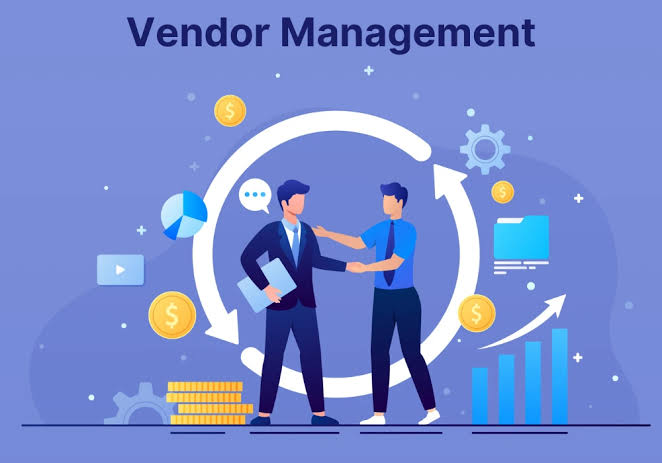
The core objective of modern vendor management is to move past the transactional phase. In a transactional model, the focus is strictly on the immediate exchange of goods for currency. In a transformational model, the focus shifts toward mutual growth and long term stability. This transition is heavily dependent on the quality of the tools used to manage the lifecycle of a vendor. By implementing Yooz, organizations can automate the entire accounts payable process, which serves as the foundation for this strategic shift.
When the administrative burden of processing invoices is removed, procurement and finance teams are free to focus on building rapport with key suppliers. This might involve collaborative product development, joint risk management strategies, or exploring sustainable sourcing options. A transformational partnership is built on the premise that when the vendor succeeds, the client succeeds as well. Automation provides the structural integrity needed to support these high level goals by ensuring that the basic elements of the relationship, such as payments and data accuracy, are handled flawlessly.
How Automation Bridges the Communication Gap
Communication is the lifeblood of any successful partnership. In the context of vendor management, this means providing suppliers with clarity regarding their payment status and upcoming requirements. Automated portals allow vendors to submit invoices directly and track their progress through the approval workflow without needing to call or email the accounts payable department. This self service model drastically reduces the volume of inquiries handled by staff while simultaneously increasing vendor satisfaction.
Beyond simple status updates, automation facilitates a more proactive form of communication. Systems can be configured to send automated reminders for expiring contracts, insurance certifications, or updated tax documentation. This ensures that the relationship remains compliant and active without requiring constant manual oversight. When a business utilizes Yooz to streamline these interactions, they create a culture of transparency that vendors appreciate, leading to prioritized service and better terms during contract renewals.
Strengthening Compliance and Risk Mitigation
Managing risk is perhaps the most critical component of vendor management. Every new supplier introduced into the system brings a certain level of exposure, whether it relates to financial stability, ethical practices, or cybersecurity. Manual systems struggle to keep pace with the rigorous vetting required in today’s regulatory environment. Automation provides a standardized framework for onboarding and ongoing monitoring, ensuring that every vendor meets the necessary criteria before a single dollar is spent.
Automated systems can perform real time checks against global watchlists, verify bank account details to prevent fraud, and ensure that all internal approval hierarchies are strictly followed. This level of control is essential for protecting the organization from financial loss and reputational damage. By centralizing all vendor data, businesses can easily audit their supply chain and identify potential vulnerabilities before they escalate into significant problems. The ability to demonstrate such high levels of compliance also makes the organization more attractive to high quality vendors who value professional and secure business environments.
Enhancing Financial Transparency and Cash Flow Predictability
Financial friction is the most common cause of strained vendor relationships. When a business lacks visibility into its liabilities, it cannot accurately forecast cash flow, which often leads to delayed payments. Automation provides a real time view of all outstanding invoices and upcoming obligations. This transparency allows finance leaders to make informed decisions about when to pay and which discounts to leverage.
Early payment discounts are a powerful tool for strengthening vendor partnerships. Many suppliers are willing to offer a reduction in price in exchange for faster payment, which improves their own liquidity. Without an automated workflow, most organizations cannot process invoices quickly enough to take advantage of these offers. By using Yooz to accelerate the approval cycle, companies can turn their accounts payable department from a cost center into a profit center. This not only saves money but also positions the company as a preferred customer in the eyes of the vendor.
Leveraging Data Analytics for Better Negotiations
Information is power in any negotiation. Historically, vendors often held more data about the relationship than the buyers did, simply because they had better systems for tracking sales and delivery performance. Automation levels the playing field by providing procurement teams with comprehensive dashboards that highlight spending patterns, delivery timelines, and error rates. With this data in hand, businesses can approach negotiations with a clear understanding of the value the vendor provides or the areas where they are falling short.
Data driven insights allow for more nuanced conversations. Instead of simply asking for a lower price, a procurement manager can point to consistent early payments or high volume stability as a reason for better terms. Conversely, if a vendor has a high rate of shipping errors or price discrepancies, the data provides the objective evidence needed to demand improvements. This objective approach reduces conflict and encourages a professional environment where both parties are held accountable to measurable standards.
Scalability and the Future of Automated Partnerships
As a business grows, its vendor network naturally expands in both size and complexity. A manual system that worked for twenty vendors will likely crumble under the weight of two hundred. Scalability is a key benefit of From Problem to Partnership: Elevating Vendor Management Through Automation with Yooz being a primary driver for organizations looking to expand without adding headcount. Automation allows for an increase in transaction volume without a corresponding increase in administrative costs.
The future of vendor management lies in the integration of artificial intelligence and machine learning. These technologies can predict potential supply chain disruptions, suggest alternative sourcing options, and even automate the preliminary stages of contract negotiation. Organizations that adopt these tools early will find themselves more agile and resilient than those stuck in legacy processes. The goal is to create a frictionless environment where the mechanical aspects of the partnership are invisible, allowing the human elements of strategy and innovation to take center stage.
Cultivating Long Term Value Through Integrated Systems
The ultimate goal of elevating vendor management is to create a sustainable ecosystem that generates value for all stakeholders. This requires more than just a software purchase; it requires a commitment to continuous improvement and a willingness to share data with partners. When internal systems are integrated with vendor platforms, the entire supply chain becomes more synchronized. Inventory levels can be managed more precisely, lead times can be reduced, and the overall quality of goods and services can be improved.
By focusing on the partnership rather than the problem, businesses can unlock hidden potential within their supply chain. This involves regular performance reviews that are collaborative rather than adversarial. When a vendor knows that their performance is being tracked accurately and that they will be rewarded for excellence with timely payments and continued business, they are more likely to go above and beyond for their client. The implementation of Yooz ensures that the foundation of this trust is built on accurate, timely, and transparent financial data.
The transformation of vendor management through automation is not merely an administrative upgrade; it is a strategic imperative. By removing the friction of manual tasks and replacing them with streamlined, automated workflows, organizations can transition from a state of constant firefighting to one of strategic partnership. This shift leads to lower costs, reduced risk, and a more resilient organization capable of navigating the complexities of the modern global economy with confidence. In this new era of business, the companies that thrive will be those that view their vendors not as external entities to be managed, but as essential partners in their long term success.