Introduction
The cost of electricity remains high in many countries because of the increase in demand, fluctuations in fuel prices, and deteriorating power grid, environmental impacts of fossil fuel reliance. But, when asked for more reliable and cost-effective energy products and services, renewable energy has proven to be a viable option, not only to save households and businesses on their energy bills, but also for future sustainability. Cost effective and efficient technologies like solar panels, wind turbine and hybrid energy systems are becoming widely available that will be useful in both house and large-scale energy production. Overall, solar energy is the most popular, the most scalable, most cost-effective and best suited to a variety of climates among these. The author examines one of the biggest benefits of renewable energy systems: lowering electricity costs, along with other financial, operational and environmental advantages that such energy systems can provide in the long-term.
Renewable energy systems
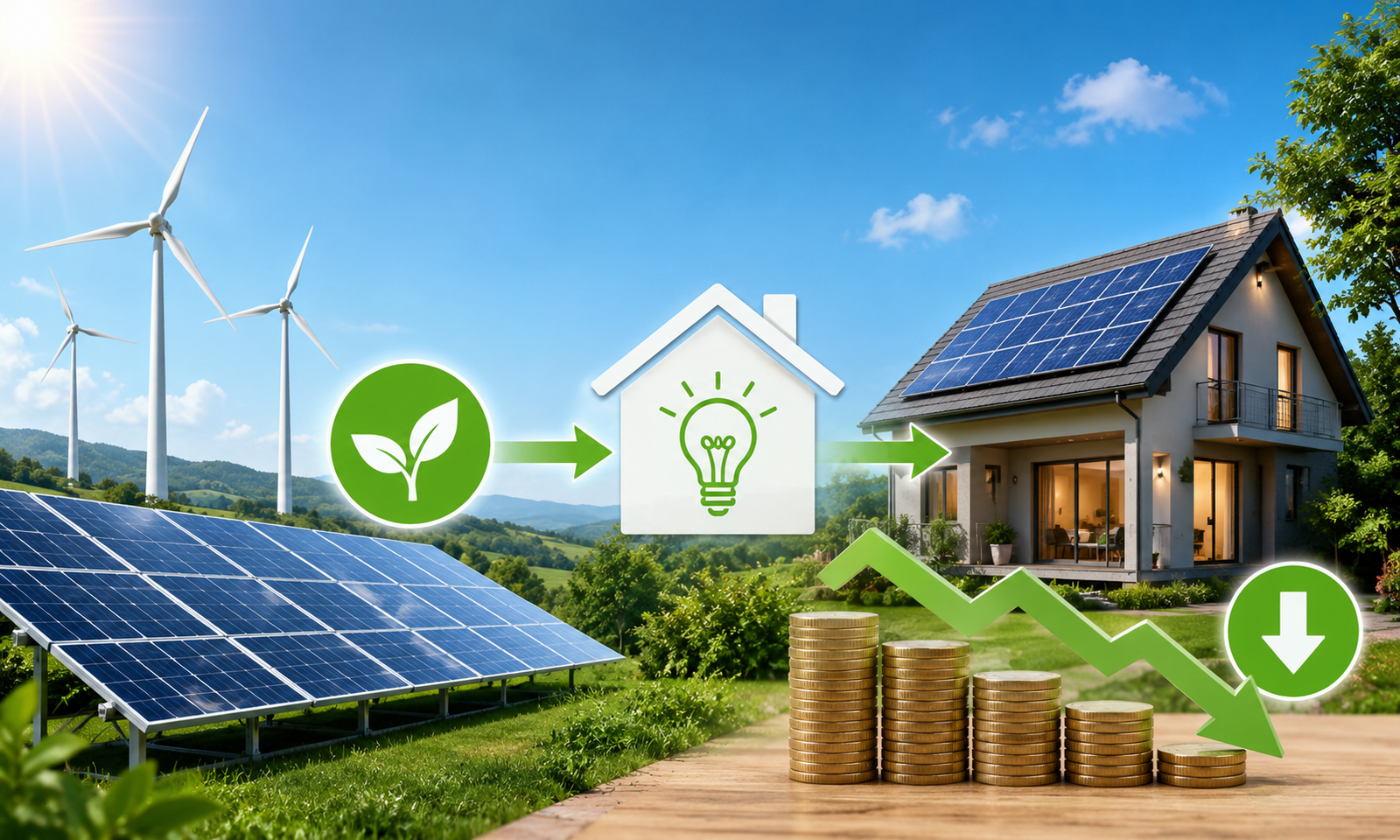
Among the most convincing arguments for the use of renewable energy is the fact that it will help to mitigate electric costs in the future. While traditional energy systems involve fueling, renewable energy systems like solar panels produce energy from natural and readily available resources such as sunlight without needing to continuously burn fuel. After installation, these systems greatly lessen monthly electricity bills while allowing owners to become less reliant on the grid. Initial costs, as it is for most upgrades, even over time, makes up for the savings that are realized from lower energy bills. For most people and properties, the return on investment is complete within a couple of years, depending on the amount of saved energy and possible tax breaks, etc. Furthermore, renewable energy systems offer insulation in an erratic energy market by providing a steady income stream thanks to stable electricity prices. That is why they are not merely a saving help but additionally strategic monetary funding for the upcoming.
Environmental benefits and global energy transition.
When assessing the value of renewables in the longer term, their environmental benefits also should be included. While fossil fuels produce significant emissions as the energy is used, emissions from renewable energy resources will be negligible. This is one way of reducing air pollution, decreasing climate change, and enhancing public health. Efforts by Governments and organisations around the world to encourage the use of clean energy to move away from coal, oil and gas are picking up pace as there is growing awareness of the impact of climate change. The introduction of the Renewable energy systems is a key factor in achieving this shift, offering scalable and sustainable options that can be implemented in both rural and urban settings. The use of renewable energy can help to lower carbon emissions in society, and help create a more resilient and sustainable energy infrastructure for future generations.
Solar energy installation options for homes and small businesses
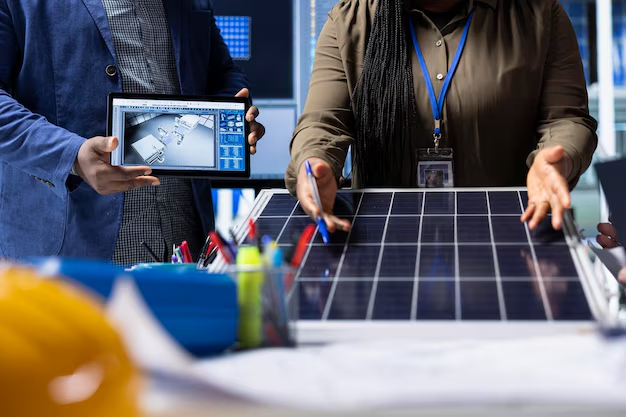
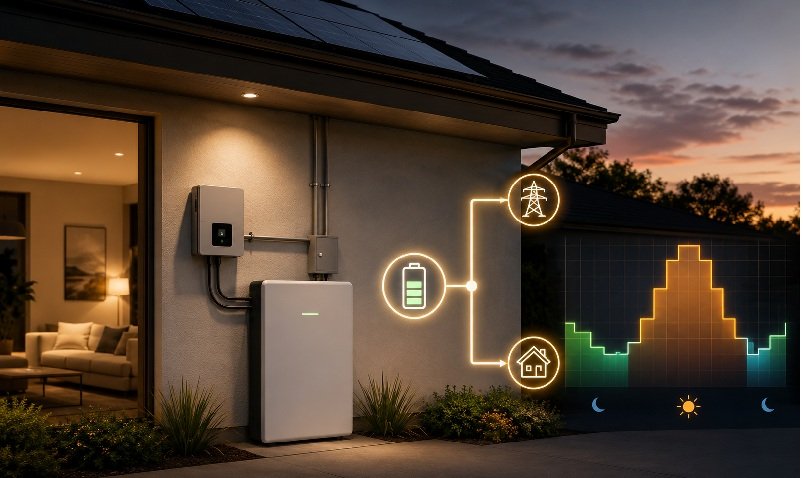
Sun power systems are among the most adaptable sources of renewable energy these days, especially for small business and residential consumers. There are three types of solar solutions: rooftop, ground-mounted, and hybrid (solar panels with battery storage). The most popular type is rooftop because it is utilizing the space you already have and doesn’t need any extra land to install the system—perfect for urban and suburban homes. Ground mounted systems, however, work best on properties where there’s more space available and could be designed to maximize exposure to sunlight. Furthermore, energy storage systems can store surplus electricity produced in the day for utilization later on, or after the hours of darkness when power is unavailable, offering extra levels in energy self-reliance. The installation process generally starts with an energy audit, assessing both energy demands and the condition of the roof, along with exposure to sunlight. Design of the system will then be performed, after which the work is carried out professionally. Although it could have high upfront costs, the long-term savings and government incentives and tax credits make it an increasingly cost-efficient and attractive option.
Solar Power Business Solutions and Grid Integration.
Renewable energy systems can also benefit businesses, due to their typically heavier energy needs and the ability to significantly reduce the costs associated with energy use. The extent of a commercial solar installation can be built out to fit the energy use, either of a small office rooftop or a large industrial solar farm. Additionally, many businesses avail of net metering programs, where they give their surplus power to the power grid in exchange for credits for that energy on their energy bills. This further enhances cost savings and improves return on investment. Some companies also provide wind energy or hybrid (mixed) solutions so their energy needs are met even when the weather is less favourable than ideal. The widespread use of renewable energy brings significant benefits in terms of lowered electricity costs, but can also boost corporate sustainability ratings, leading to better corporate reputation and attracting eco-conscious consumers and investors.
Physical fitness and capability of the system.
Being a relatively low maintenance technology, one of the benefits of renewable energy systems, such as solar power is that they require relatively little upkeep. Unlike gasoline-based generators, solar panels have no moving parts, reducing the chances of a breakdown. They do not need to be serviced and servicing doesn’t require the same tools as servicing a gasoline based generator. They do not need to be mechanically repaired. Most routine maintenance limits to regular cleaning of the filters and removing dust, debris or bird droppings which can hinder the efficiency of the system, and occasional electrical system checks. While inverters and batteries might need replacement every few years, overall, the duration of life of the system is high, with many solar panels having a lifespan of 20-30 years or more. Their long life contributes to their cost-effectiveness, because the energy production over time is significantly more than the cost of installation. Consistent performance and the maximisation of long-term energy savings for households and businesses can be achieved by proper maintenance.
Long-Term Sustainability and Energy Independence.
Beyond cost savings, renewable energy systems bring energy security, independence and sustainability into the future. The production of electricity locally also decreases the need for power lines, which tend to have outages, shortages of fuel and failure of infrastructure. This autonomy is particularly beneficial in areas where power supply is unreliable or energy is expensive. Then, the wider uptake of renewable energy helps to make energy more decentralized and more resilient, lessening load on the national grid and increasing energy stability. Moreover, with the advancement of technology, renewables are increasingly more effective and cost-efficient becoming more readily available to everyone. Renewable energy is a key part of energy strategies in the future and for the rest of the globe for the many benefits it offers – environmental, energy independence and financial.
Issues to consider and challenges to overcome.
There are some factors that need to be considered before installation of renewable energy systems, however, are highlighted below. Of course, the initial installation cost of solar panels or other forms of renewable energy may be steep, but that figure is generally more than enough to make up for in the long run. Weather patterns, location and seasonal changes also can impact overall energy production levels, which can impact overall efficiency. Depending on the application, storage systems for energy supply may be necessary to ensure energy availability also increases the overall cost. Other factors, such as regulatory policies, talk tie-ups, local incentives, etc also differ across areas, which is also something one needs to research before investing. Despite these obstacles, the potential to make renewable forms of energy more accessible and economically viable continues to grow, driven by continuing technological innovation, and supportive government policy.
Conclusion
Creating renewable energy systems could be a viable answer to lower electricity prices, increase eco friendly and sustainable power and gain energy autonomy. Solar energy can help households and businesses make substantial cuts in their energy bills, provide them with protection against high energy costs and help lower carbon emissions worldwide by use of technologies such as solar. Renewable energy is one of the most promising energy solutions today, although the initial investment can be substantial, it offers significant financial and environmental advantages over the long term. With continued innovation for efficiency and cost reduction, renewable energy is poised to become a bigger part of the future of the world’s electricity landscape, making it a wise and progressive option for people and entities.