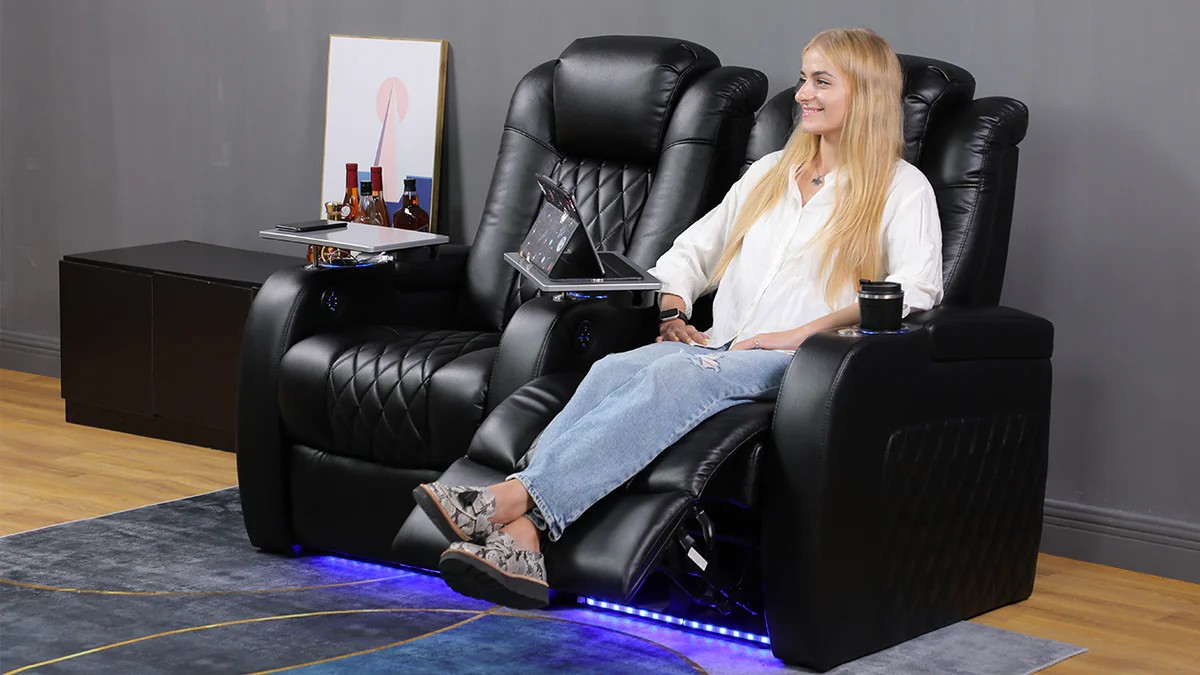
Home entertainment has undergone a remarkable transformation in recent years. Stunning 4K projectors, immersive surround sound systems, and streaming platforms have turned living rooms and basements into cinematic sanctuaries. Yet amid the excitement of building the perfect home theater, one crucial element often gets overlooked — the very place where you sit. It’s a surprising blind spot: homeowners will invest thousands in audio and visual technology only to settle into seating that leaves them shifting, fidgeting, and aching halfway through a film. The truth is, no amount of screen resolution or speaker wattage can compensate for a chair that fails your body during a three-hour movie marathon. Comfort is not a luxury in home theater seating; it’s the foundation of the entire experience. In this guide, we’ll explore what truly defines the ideal 4 seat home theater recliner for ultimate comfort — from ergonomic design and material selection to advanced technologies that elevate a comfortable movie experience from ordinary to extraordinary. Whether you’re building a new theater room or upgrading an existing one, understanding these elements will change how you think about your setup.
The Foundation of Comfort: Why Home Theater Seating Matters
The home theater has evolved from a simple TV-and-couch arrangement into a dedicated space engineered for total immersion. As screens grew larger and sound systems more sophisticated, the expectations for every element in the room naturally followed — except, for many enthusiasts, the seating. This disconnect creates a real problem. When your body is uncomfortable, your brain cannot fully engage with what’s on screen. You notice the ache in your lower back instead of the tension in a thriller’s climax. You shift your weight during a quiet dialogue scene, breaking the spell entirely. Poor home theater seating doesn’t just cause physical strain over long movie sessions — it actively undermines the investment you’ve made in every other component of your setup. Ergonomics play a central role here. A chair that properly supports the spine’s natural curvature, cradles the neck, and distributes body weight evenly allows you to forget you’re sitting at all. That disappearance of physical awareness is what separates a comfortable movie experience from one interrupted by constant readjustment. For anyone who regularly enjoys two- or three-hour viewing sessions, the quality of seating isn’t secondary to the technology around it — it’s inseparable from it.
Key Features of an Ideal 4-Seat Home Theater Recliner
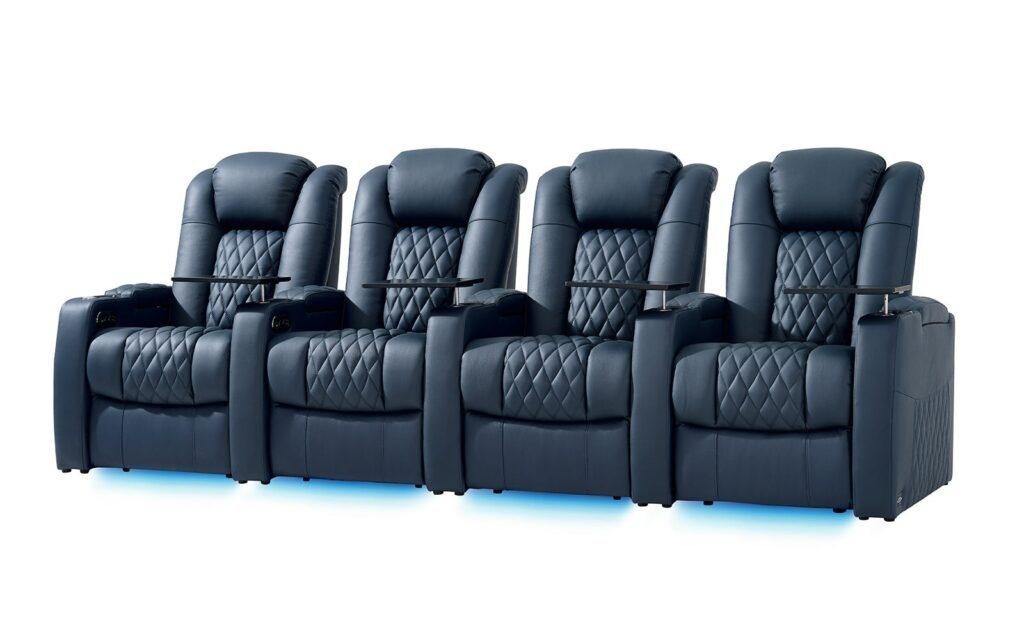
When evaluating a 4 seat home theater recliner, comfort isn’t defined by a single feature — it’s the result of multiple design elements working together. The reclining mechanism itself is the most obvious starting point. A smooth, multi-position recline allows each viewer to find their personal sweet spot, whether that’s a slight lean-back for an action-packed blockbuster or a fully extended position for a late-night documentary. Look for independent reclining controls for each seat, so one person’s preference never dictates another’s experience. Beyond the recline angle, thoughtful extras like built-in cup holders and storage compartments between seats eliminate the need to pause the movie or fumble in the dark, keeping the viewing flow uninterrupted across all four positions.
Ergonomic Design for Extended Use
Ergonomic design is what separates a recliner you enjoy for twenty minutes from one that supports you through an entire trilogy. Integrated lumbar support is essential — it maintains the lower back’s natural curve and prevents the deep, dull ache that develops when the spine flattens against a poorly shaped backrest. Adjustable headrests serve a similar purpose for the cervical spine, letting each viewer align their neck comfortably with the screen’s height. High-density foam cushioning in the seat pan distributes body weight across a broader surface area, reducing pressure points on the hips and thighs that cause restlessness. Padded armrests at the correct height keep shoulders relaxed rather than hunched. Together, these elements create durable seating that actively promotes healthy posture, making your 4 seat home theater recliner a place where physical tension dissolves and the on-screen story takes over completely.
Material Choices: The Role of Leather Recliner in Comfort
The material wrapping your home theater seating affects comfort far more than most buyers realize. It determines how your skin breathes during a long session, how the chair ages over years of use, and how effortlessly it integrates into your room’s design. A leather recliner stands out as the preferred choice for dedicated theater rooms, and for good reason. Genuine leather naturally regulates temperature — it doesn’t trap heat against your body the way synthetic fabrics often do, keeping you comfortable whether it’s a summer afternoon screening or a winter evening marathon. Leather also resists the absorption of spills, oils, and odors, which matters enormously in a space where snacks and drinks are part of the ritual. Over time, quality leather develops a rich patina rather than showing wear, making it one of the few materials that actually improves with age. Compared to microfiber or polyester blends, which can pill, stain, or feel clammy after extended contact, leather maintains its structure and surface integrity for years. For homeowners seeking aesthetically pleasing furniture that performs as beautifully as it looks, leather delivers on both fronts without compromise.
Maintaining Your Leather Recliner
Protecting your investment requires minimal but consistent effort. Wipe down surfaces every two weeks with a soft, damp cloth to remove dust and body oils before they penetrate the finish. Apply a leather conditioner every three to six months to keep the material supple and prevent cracking, especially in rooms with climate control that can dry the air. Address spills immediately by blotting — never rubbing — with a clean cloth. Keep your recliners away from direct sunlight or heating vents, which accelerate fading and drying. If scratches appear, a small amount of conditioner often buffs them out naturally. These simple habits ensure your leather recliner remains as inviting on its thousandth movie night as it was on the first.
Advanced Comfort Technologies: Zero-Gravity Recliner and Beyond
Modern home theater seating has borrowed innovations from aerospace and wellness industries, and the most transformative among them is zero-gravity recliner technology. Inspired by the neutral body posture astronauts assume during liftoff, this design elevates the legs to roughly the same level as the heart while tilting the torso back at a precise angle. The result is a position that distributes body weight across the entire chair surface with near-perfect evenness, virtually eliminating pressure points on the spine, hips, and shoulders. For viewers settling in for extended sessions, this weightless sensation dramatically reduces fatigue and circulatory strain — your body recovers while you watch rather than accumulating tension.
Beyond zero-gravity positioning, today’s premium recliners integrate features that once belonged exclusively to high-end spas. Built-in massage motors target the lumbar region, neck, and thighs with adjustable intensity, quietly working out stiffness without distracting from the film. Heated seat and backrest elements offer soothing warmth during cooler months, turning a simple movie night into a genuinely restorative experience. USB charging ports built into armrests keep phones and tablets powered without trailing cables across the room, while ambient LED lighting along the base helps viewers navigate the darkened space safely between films. These technologies aren’t gimmicks — they address real comfort barriers that accumulate during long viewing sessions. When a zero-gravity recliner combines weightless positioning with therapeutic massage and thoughtful connectivity, it transforms your home theater from a place you watch movies into a place your body genuinely wants to be.
Durability and Aesthetics: Meeting Home Theater Owners’ Needs
A home theater recliner must endure years of regular use without sagging, creaking, or losing its visual appeal — which makes construction quality a non-negotiable consideration. The frame forms the skeleton of any durable seating, and hardwood or steel-reinforced frames outperform particleboard alternatives by a wide margin. They resist warping under repeated stress and maintain structural integrity through thousands of reclining cycles. Sinuous spring or webbed suspension systems beneath the cushions provide consistent support without the gradual hammocking effect that cheaper foam-over-plywood designs develop within months. Stitching quality matters too: reinforced double stitching at stress points like armrest junctions and seat edges prevents premature splitting that plagues mass-market furniture.
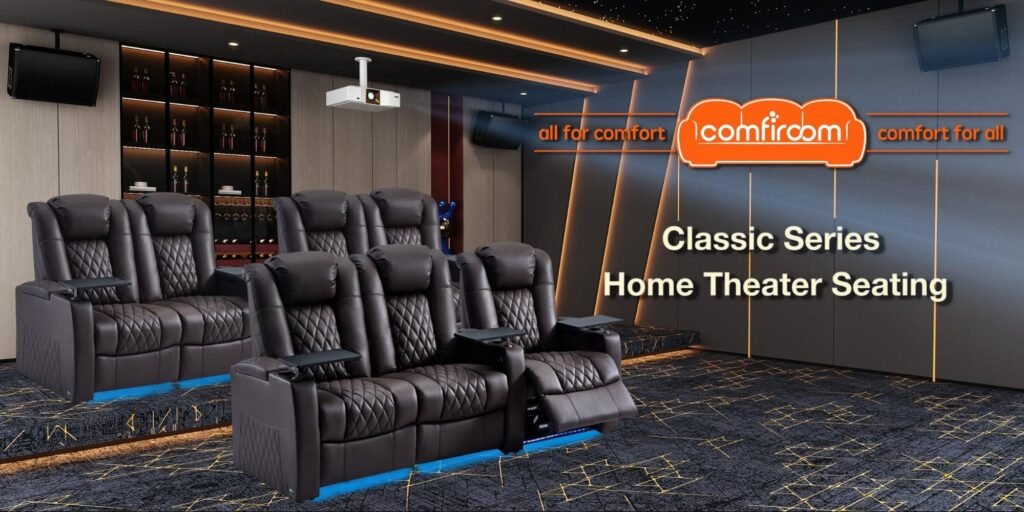
Aesthetics carry equal weight for homeowners designing a cohesive theater environment. A 4 seat home theater recliner configuration demands careful attention to proportion — the row should complement the room’s dimensions rather than overwhelm them. Neutral tones like charcoal, espresso, and black integrate seamlessly with acoustic panels and darkened walls, while subtle contrast stitching or brushed metal accents add visual interest without competing with the screen. Curved or straight row configurations let you adapt to wider or narrower spaces, and wall-hugger mechanisms allow full recline without requiring excessive clearance behind each seat. When durable seating also serves as a design statement, your theater room achieves the polished, intentional look that elevates casual viewing into a truly comfortable movie experience worth sharing.
Practical Solutions: Steps to Choose and Set Up Your Home Theater Seating
Assessing Your Space and Needs
Before browsing any catalog, measure your theater room carefully. Record the total width available for seating, the distance from the back wall to the nearest obstruction, and the viewing distance to the screen. A 4 seat home theater recliner row typically requires ten to twelve feet of lateral space and at least eighteen inches of clearance behind each seat for wall-hugger models. Consider who uses the room most — families with children may prioritize stain-resistant leather recliner options, while couples who host movie nights might favor configurations with shared center consoles and storage. Brands like Comfiroom offer a range of home theater seating solutions designed with these varied household needs in mind.
Testing for Comfort and Quality
Whenever possible, sit in a recliner for at least fifteen minutes before committing. Cycle through every recline position and test the lumbar support at each angle. Press into the seat cushion firmly — high-density foam should resist bottoming out. Operate the footrest repeatedly to check for smooth, quiet mechanics. If you’re considering a zero-gravity recliner, confirm that the elevated leg position feels natural rather than forced. Ask about frame materials and warranty coverage, since these details reveal the manufacturer’s confidence in long-term durability.
Installation and Maintenance Tips
Once your seating arrives, position the row so every seat has an unobstructed sightline to the screen’s center. Secure power cables for electric recline and USB ports along baseboards using cable management clips to prevent tripping hazards in a darkened room. Level all four seats on the floor to avoid uneven rocking. Establish a maintenance routine from day one — condition leather surfaces quarterly, vacuum crevices monthly, and tighten any accessible hardware every six months. These steps protect your investment and ensure your home theater seating delivers a comfortable movie experience for years to come.
Comfort Is the Heart of Every Great Home Theater
Building the ideal home theater is about far more than the screen on the wall or the speakers in the corners — it’s about creating a space where every element works in harmony, and that starts with where you sit. The right 4 seat home theater recliner brings together ergonomic design, premium materials, and thoughtful technology to deliver a comfortable movie experience that lasts as long as your playlist does. Lumbar support, adjustable headrests, and high-density cushioning form the ergonomic backbone that keeps your body at ease through even the longest sessions. A quality leather recliner adds breathability, timeless aesthetics, and effortless maintenance that synthetic alternatives simply cannot match. Advanced innovations like zero-gravity recliner positioning, built-in massage, and integrated heating transform passive viewing into something genuinely restorative. And when all of this sits atop a durable frame built to withstand years of nightly use, you have seating that protects your investment while elevating every film, series, and sporting event you enjoy. Comfort is not an afterthought in home theater design — it is the experience itself. Choose your seating with the same care you give your technology, and your theater room will reward you for years to come.