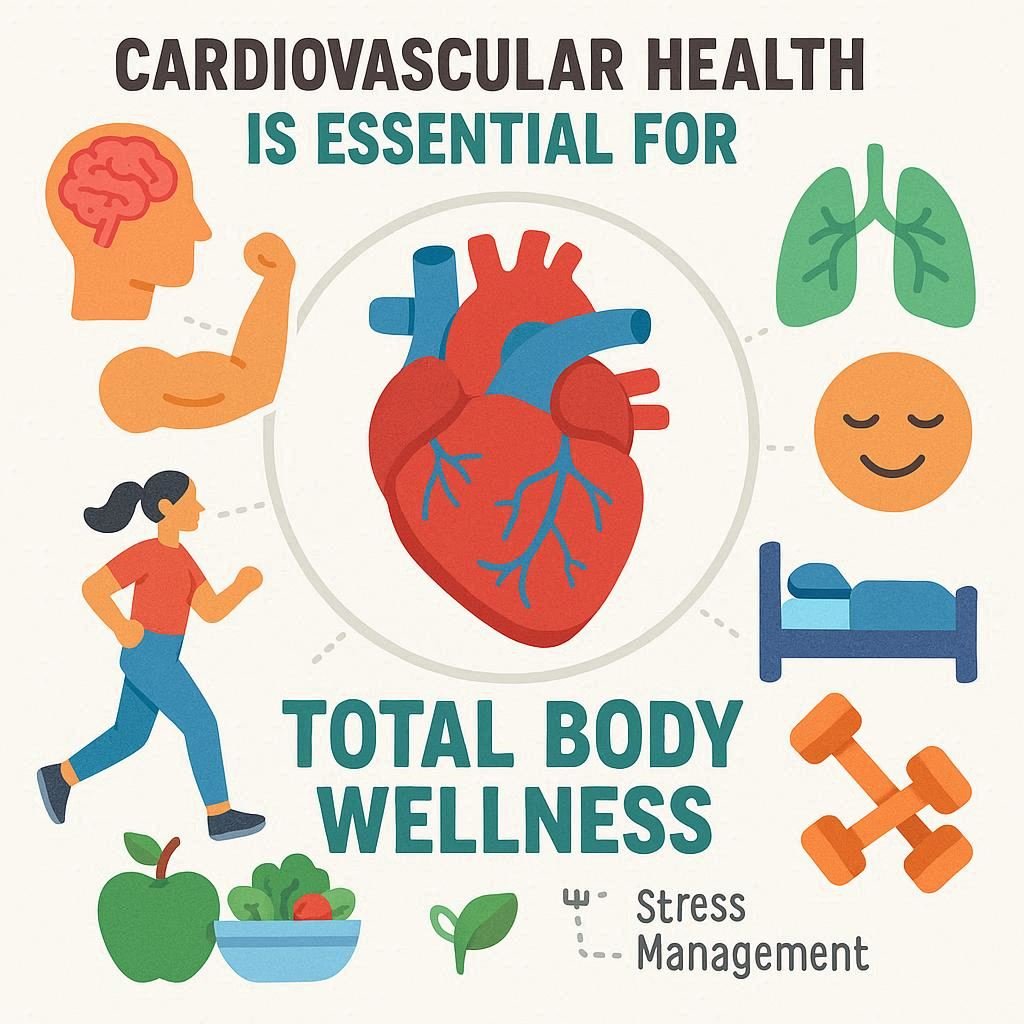
The cardiovascular system is essential for life, energy and wellness and is the most complex system in the human body that interacts with each other to keep us safe. The cardiovascular system consists of the heart, blood, blood vessels, and provides transport for oxygen, nutrients, hormones, and immune cells, and it removes carbon dioxide and metabolic waste products. This is the continual flow that is vital to the proper functioning of every organ and tissue. Poor blood flow leads to poor cognitive function, muscles become inefficient, organs suffer damage, and immune function decreases. For this reason, it is paramount to keep the cardiovascular system healthy not only to prevent cardiovascular diseases, but also for overall wellbeing and healthy life.
The combination of poor nutrition, lack of physical activity, stress, smoking, obesity and metabolic disorders have led to a higher global burden of cardiovascular-related diseases. Cardiovascular problems frequently occur over a long period of time and without notice, so prevention is particularly important. As outlined by medical professionals and resources like Cleveland Clinic, cardiovascular disease can impact circulation, heart rhythm and the function of the blood vessels, which can lead to heart attacks, strokes and organ damage. The impact of poor cardiovascular health is however something more than cardiovascular function. Poor circulation affects the function of the kidneys, the brain, metabolism and even the emotional health. To appreciate the role of the cardiovascular system in the whole body and why good health habits are so important for preventing disease and being physically healthy.
Function of the cardiovascular system in the human body
The cardiovascular system is the system by which the body transports needed materials to all cells and carries away the waste materials that would be toxic to the body if they were not removed. The heart is a strong pump that pumps blood continuously through the arteries, veins and capillaries. Oxygenated blood is carried from the lungs to organs and tissues, and provides energy to cellular processes and deoxygenated blood is returned to the lungs for replenishment of oxygen. This perpetual flow helps regulate all biological processes in the body, such as muscle movement, brain activity, hormone delivery, digestion and the immune system. If the heart is not functioning efficiently, within a few short minutes, the organs will start to lose their function due to lack of oxygen and nutrients.
Good circulation is especially significant in sustaining the efficiency of the organs and repairing the tissues. For instance, the brain uses a significant amount of oxygen for its activity, but makes up a relatively small proportion of body weight. Good blood circulation helps the brain maintain memory, focus, emotions and communication between the nerves. The kidneys, for instance, need the proper circulation to filter out toxins and to maintain fluid balance, and the liver needs blood supply to process nutrients and remove toxins. The cardiovascular system also is an important regulator of body temperature, its function being the ability to modify dermal blood flow. This is a good illustration of how the functions of the cardiovascular system are interrelated and contribute directly to virtually every aspect of physiology.
Another role of the cardiovascular system is to transport white blood cells and antibodies throughout the body, thus helping the immune system. Blood vessels transport immune responses to infected or injured locations and remove damaged cells and inflammatory waste during infections or injuries. So efficient circulation is a way of promoting quicker healing and higher disease resistance. Moreover, endocrine glands also secrete hormones which circulate in the blood to control metabolism, growth, reproduction and emotional reactions. This illustrates the strong relationship between cardiovascular health and the balance of the hormones and stability of the system. Improper functioning of these processes, caused by narrowing of the arteries, hypertension, or heart dysfunction causes itself widespread health problems beyond the heart itself.
The impact of poor cardiovascular health on the entire body
Having poor cardiovascular health does not just lead to heart attacks or strokes – it can also affect several organs and systems in the body. If the blood vessels narrow or become damaged, they have less efficiency in carrying blood, so less oxygen and nutrients go to the tissues. This may lead to tiredness, decreased physical stamina, muscle weakness, and impaired brain functioning. Chronic hypertension causes the blood pressure to be consistently too high and the heart has to pump blood more vigorously to overcome the increased resistance, which can lead to damage to the heart muscle and less efficient pumping of blood. As time goes on, inadequate circulation can lead to diminished function of organs, nerves, and the immune system.
The most severe risk associated with inadequate cardiac function is a lack of oxygen to the brain. Poor circulation can affect memory loss, concentration and mental clarity and can lead to stroke and vascular dementia. The brain is very vulnerable to loss of oxygen, and brief reductions in blood flow can result in permanent neurological damage. Likewise, when blood flow to the kidneys is cut, they will not be able to clear the waste products and control blood pressure, which can lead to an unhealthy cycle of worsening cardiovascular function and worsening kidney disease.
Cardiovascular dysfunction also impacts on physical mobility and metabolism. During movements and exercise, muscles need oxygen-carrying blood to produce energy. Without a good blood flow, muscles tire easily and recuperate slowly. This leads to a decline in physical activity and hence, a risk of weight gain, obesity and metabolic disorders. If peripheral artery disease occurs, it may be severe enough to cause pain in the legs and arms when walking or exercising. The widespread effects illustrate that cardiovascular issues are not just confined to the cardiovascular system. Rather, they set up a domino effect and impact the entire body’s performance and long-term health.
Heart and blood vessel health and obesity relationship
Increased body weight increases the strain on the heart and circulatory system and is closely associated with poor cardiovascular health. The more weight a body has, the more effort the heart has to use to pump blood around the body, which leads to higher blood pressure and a greater oxygen demand. The buildup of fat around blood vessels and organs may also result in inflammation and metabolic imbalance, increasing the risk of hypertension, atherosclerosis, and heart disease. Obesity can also impact cholesterol levels by increasing bad LDL cholesterol and triglycerides, and decreasing good HDL cholesterol, which can result in increased plaque in the arteries.
Body fat that is too much also will cause insulin resistance, an inability of the body to manage blood sugar levels effectively. This metabolic imbalance is associated with a greater risk of developing Type 2 diabetes, which is a strong risk factor for cardiovascular disease. Obesity can also make exercise harder to maintain due to extra weight that may lead to joint pain, decreased stamina and tiredness. With each loss of fitness, the ability to be physically active decreases, further exacerbating the downward spiral. So, a healthy weight is a crucial factor in supporting the health of circulation, blood pressure and heart function.
Another large worry for cardiovascular wellbeing is the inflammatory impacts of heftiness. Adipose fat produces inflammatory chemicals which can injure the walls of blood vessels and lead to endothelial dysfunction. This inflammation can cause the formation of plaques and raise the chances of clots. Furthermore, obesity is linked to sleep apnea, a sleep disorder in which breathing stops repeatedly while you sleep, which leads to a decrease in oxygen and a rise in blood pressure, and causes cardiovascular stress. This has made obesity one of the most important modifiable risk factors for cardiovascular disease and decline of overall health of the whole body.
Cardiovascular Health and Diabetes
Blood sugar elevated due to diabetes can harm blood vessels and nerves throughout the body, making diabetes and cardiovascular disease closely related. Through time, the increased amount of glucose in the bloodstream can cause weak blood vessels and inflammation, which can lead to more plaque and narrow arteries. This puts a person at risk for heart attacks, strokes and circulation issues. Diabetics have also been seen to be more prone to hypertension and abnormal cholesterol levels, which further stress the cardiovascular system
Diabetes can impact the blood flow in large and small blood vessels. Affecting smaller vessels can affect blood flow to the eyes, kidneys and nerves, causing vision problems, kidney disease and neuropathy. Damage to these vessels is more likely to cause coronary artery disease and peripheral artery disease if vessels are larger. Diabetes may progress slowly without many people realizing anything is wrong, and by the time they receive a diagnosis, they may have already suffered damage to their cardiovascular system. This is why early prevention and periodic health checks are important.
Factors impacting on good cardiovascular health are also important for the management and prevention of diabetes. Exercise helps to increase insulin sensitivity, promote healthy blood flow and maintain healthy blood pressure and cholesterol. A balanced diet with plenty of fibre, vegetables, whole grains and lean proteins assists in keeping blood sugar levels stable, and it lowers inflammation and cardiovascular risk. Weight control, stress management and not smoking are all essential interventions that help maintain metabolic and cardiovascular stability. Thus, the preservation of cardiovascular function becomes a key component of the prevention of complication of diabetes and general wellbeing of the entire body.
The three major conditions are stroke, Heart Disease and Circulatory Disorders
Poor cardiovascular health can lead to a number of serious diseases, including stroke and heart disease, which directly impact blood flow to vital organs. A stroke happens when blood flow to the brain is cut off or when a blood vessel bursts and leaks into the brain, causing brain tissue to lose oxygen. Even brief periods of circulatory interruption can result in permanent neurologic injury, including problems with movement, speech, memory and emotional regulation. Atherosclerosis, high blood pressure, diabetes, smoking and obesity are significant risk factors for stroke because they damage blood vessels and predispose to formation of clots in the blood.
Heart disease is caused by a decrease in blood reaching the heart muscle typically because of plaque formation within coronary arteries. This condition is called coronary artery disease, which can decrease the oxygen supply to the heart and result in pain in the chest, arrhythmias, or a heart attack. As the heart’s strength gradually weakens and sometimes loses its pumping power, it can lead to heart failure. Cardiovascular problems also lead to circulatory problems affecting blood flow to other parts of the body, such as peripheral artery disease and venous insufficiency. These conditions lead to decreased tissue oxygenation and may interfere with mobility, wound healing and organ function.
One of the best ways to lower the odds of stroke and heart disease is prevention. A healthy goal for blood pressure, blood lipids (cholesterol), blood sugars, and physical activity levels greatly enhances long term cardiovascular outcomes. Medical screening can detect risk factors early before serious problems arise. Adopting healthy lifestyle habits thus protects the heart and blood vessels, but also the brain, kidneys, muscles and the rest of the body functions.
The primary concerns of this group are in prevention and healthy living for cardiovascular wellness
To ensure good cardiovascular health, it is important to maintain a consistent lifestyle that supports circulation, blood pressure maintenance and metabolic stability. Regular exercise is among the most important preventive measures as it builds the strength of the heart muscle, increases the flexibility of the blood vessels and increases oxygen delivery to the body. Walking, biking, swimming and strength training are some examples of activities that keep your body weight in check and lower stress and inflammation. By further emphasizing the connection between emotional health and cardiovascular function, exercise can have a positive impact on mental well-being by enhancing mood and alleviating anxiety.
In addition, nutrition is an important aspect of cardiovascular well-being. Fruits, vegetables, whole grain foods, legumes, fish, nuts and healthy fats are all rich in nutrients that help to keep your heart and blood vessels working. Limiting extra sodium, processed foods, added sugars and unhealthy fats contributes to decreased blood pressure and cholesterol. Balanced eating habits and proper hydration also aid in circulation and energy regulation throughout the body. Healthy nutrition is therefore not only good for the heart, but also for the immune system, mental performance and metabolic balance.
With cardiovascular prevention, stress management and quality sleep are both vital. Stress can raise blood pressure, blood sugar, inflammation, and hormone imbalances, which can cause stress on the cardiovascular system over the long run. Meditation, breathing and mindfulness techniques lower level of sympathetic nervous system activation and enhance emotional resilience. Rest rebuilds the body, balances hormones and heals blood vessels, so the body needs enough rest to maintain long-term heart health. Other steps taken to prevent smoking and excessive drinking can help prevent damage to blood vessels and reduce the risk of cardiovascular disease.
Conclusion
The cardiovascular system is critical to total body health as it provides an uninterrupted supply of oxygen, nutrients, hormones, and immune protection to the organs and tissues and carries away waste products. Cardiovascular performance is of prime importance in the regulation of the efficient functioning of the brain, muscles, kidneys, liver and other organs and a healthy circulation is essential for good health. Impaired CV function also impacts all systems in the body, making fatigue and changes in cognition and metabolism more likely, as well as more likely to cause damage to organs, stroke, heart disease, etc.
Cardiovascular health and obesity, diabetes, hypertension, and circulatory disorders are all related, so prevention and healthy living are important. Factors such as regular exercise, healthy eating, stress management, healthy sleep, and abstaining from unhealthy habits are crucial to keeping the cardiovascular system healthy and to lowering risk for disease. With the understanding of the effects of cardiovascular function on overall body health, people can make informed decisions that promote long-term health, energy, and quality of life.