Onions are one of the most common vegetables in the world due to their taste, as well as their amazing nutritional and medicinal value. Onions, when consumed raw, cooked, grilled or incorporated into soups and sauces, are loaded with antioxidants, vitamins, minerals and plant compounds that benefit overall health. Onions have been a part of traditional medicine for centuries and are known to be beneficial for the immune system, digestion, and combating infections.
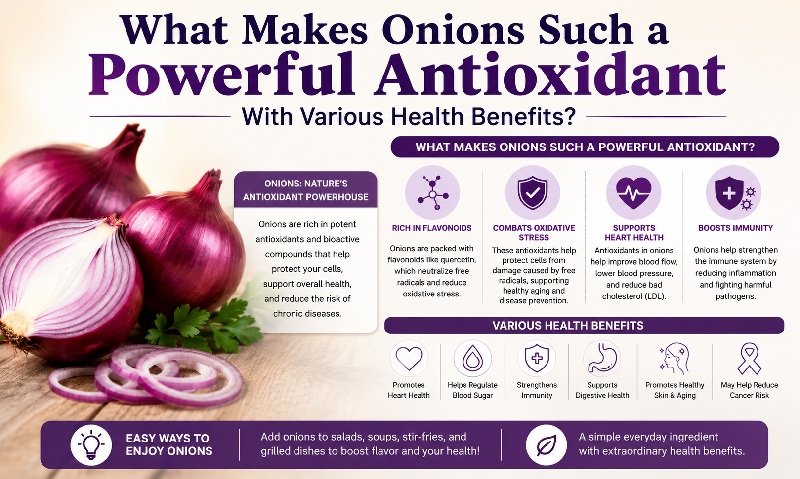
Onions are thought to be such a beneficial food for many reasons, including their antioxidant properties. Antioxidants can neutralize the effects of oxidative stress, which is the result of the presence of harmful molecules called free radicals. Oxidative stress is associated with ageing and a number of chronic diseases such as cardiovascular diseases, diabetes and some cancers. Onion contains unique compounds which makes it one of the most effective antioxidant rich foods available.
Rich Source of Powerful Antioxidants
Onions are rich in antioxidants, such as flavonoids and sulfur compounds. Onions contain an antioxidant called a plant pigment called quercetin that is known to fight diseases and is anti-inflammatory. Quercetin exerts antioxidant activity which helps to neutralize free radicals before they can cause any damage to the cells and tissues in the body.
Colors of the outer layers make red and yellow onions particularly high in antioxidants. These antioxidants help in minimizing inflammation and boosts the body’s defense system. Onion’s anti inflammatory properties can help reduce the risk of chronic diseases since inflammation is linked to many chronic diseases.
Another factor is the sulfur compounds found in onions that also enhance their antioxidant properties. These compounds give onions a strong smell and cause you to tear up while chopping. Although they can be cumbersome, these sulfur compounds aid in detoxification and safeguard body cells from damage.
Supports Heart Health
Onions are one of the most widely known health surprising benefits of onions is its impact on the health of the heart. Antioxidants and sulfur compounds in onion can lower levels of bad cholesterol and improve blood flow. In particular, quercetin may help to lower blood pressure and to reduce inflammation of blood vessels.
Onions can also inhibit platelet aggregation and thus prevent blood clots. This will help to increase blood flow and reduce the risk of a heart attack and stroke. Onions also are rich in potassium, which helps maintain healthy blood pressure and heart function.
Individuals who regularly eat onions might find they have better heart health, particularly when they eat onions in conjunction with other healthy foods like vegetables, fruits, whole grains and lean proteins.
Helps Strengthen the Immune System
Onions have nutrients which help in maintaining normal immunity and resistance of body against infections. Onions contain vitamin C, which is essential in immune defense, helping to produce white blood cells and to neutralize harmful substances.
Onion’s antibacterial properties have also been known for centuries. Some of the compounds that onions contain can combat harmful bacteria and fungi, and therefore can be beneficial in supporting the body during sickness. Onion has been found to have anti-bacterial properties in some studies which help to prevent the growth of bacteria that cause infection.
Onions are also rich in antioxidants that help prevent inflammation and oxidative stress, which can support the immune system’s function. Consuming onions regularly, then, could help to improve resistance to common diseases like colds and infections.
May Decrease the likelihood of some cancers.
Onions and cancer prevention have been gaining interest in research. Onions contain sulfur compounds and flavonoids that help to prevent the growth of abnormal cells or prevent damage to the DNA of cells, this can help to lower the risk of several types of cancer.
Organosulfur compounds and quercetin have been investigated for their protective effect against stomach cancer, colon cancer, prostate cancer and breast cancer. These compounds can help lower inflammation, facilitate detoxification and inhibit the production of harmful compounds in the body.
Onions are not known to cure cancer, but may help reduce cancer risk when eaten as part of a healthy diet comprised of vegetables and fruits. Some of the antioxidants may be lost during cooking, so raw onion may offer even greater antioxidant activity.
Promotes Healthy Digestion
Onions also have digestive health benefits, as they’re rich in fiber and prebiotics. Prebiotics are special fibre components from plants that promote the growth of good bacteria in the gut. Maintaining a healthy gut microbiome is important for digestive, absorption and immune health.
Inulin is one of the prebiotics in onions. Inulin stimulates growth of good bacteria like Bifidobacteria and Lactobacillus. These good bacteria help keep the bowel healthy and can potentially help alleviate gastrointestinal pain.
The fiber also aids in regular bowel movement and will help prevent constipation. A healthy digestive system is a prerequisite to a healthy body and eating onions regularly over time can help to promote gut health.
Supports Bone Health
Onions are not commonly thought of as a food that supports bone health, but studies indicate onions can help to increase bone density. Onions contain some ingredients that could alleviate oxidative stress and inflammation, which can lead to bone loss.
There have been some studies that people who eat onions a lot, are likely to have healthier bones and less risk of osteoporosis. This can be particularly helpful for seniors who might be at risk of developing osteoporosis and fractures.
The antioxidant properties of onions may also help maintain calcium levels and decrease the damage from aging. Onions can be part of a diet that helps maintain a healthy skeleton when, combined with calcium-rich foods and regular exercise, they are part of a healthy lifestyle.
Helps Control Blood Sugar Levels
Onions can also be beneficial for anyone with a blood sugar issue. Some of the compounds present in onions can help to regulate the glucose metabolism and make it more sensitive. Onion contains chromium which helps regulate blood sugar.
The sulfur compounds and antioxidants in onions may also reduce inflammation associated with diabetes and metabolic disorders. Eating onions along with healthy lifestyle and medical care may help balance blood sugar.
Conclusion
Onion is more than just a kitchen staple. They contain abundant antioxidants, vitamins, minerals, and beneficial plant compounds, offering a host of health benefits. Onions are a vital part of a healthy diet, from being good for heart and immune health to aiding digestion and preventing chronic diseases.
Onions are one of the most beneficial vegetables around because of their potent anti-oxidative properties, particularly due to their high levels of quercetin and sulfur compounds. Onions can be used as a natural and inexpensive supplement for overall health and wellness, whether raw or cooked.