Some trips are remembered for landmarks, while others stay with people because of how they felt inside the experience. Irish hospitality belongs strongly to the second category. It is not only about arriving at a scenic destination or checking into an attractive property. It is about the atmosphere that builds around the stay: the welcome, the pace, the setting, the conversations, the sense of place, and the way small details make a visit feel less transactional and more personal. That is why journeys through Irish hospitality so often become memory-driven stories rather than simple travel itineraries.
This is especially true when the trip is built around something emotionally meaningful. Couples’ escapes, wedding celebrations, group retreats, and wellness-oriented stays all rely on more than comfort alone. They depend on mood, timing, warmth, and the ability of a place to help guests feel present in what they are doing. A romantic stay should feel like more than a room booking. A group trip should feel like a shared chapter. A heritage property should feel connected to the landscape and culture around it. The strongest hospitality experiences understand this and shape the visit accordingly.
That is also why practical details matter more than many travel articles admit. The emotional side of hospitality becomes stronger when the logistics feel thoughtfully handled. Clear welcome materials, simple printed itineraries, room information, local activity guides, wedding programs, event cards, and small physical keepsakes all help turn a good stay into a more coherent memory. In travel, beauty attracts people, but thoughtful details help them remember why the experience mattered.
Romantic Stays Depend on Atmosphere, Not Just Accommodation
Romantic travel often fails when it is approached too mechanically. A destination may be beautiful, the property may be elegant, and the setting may be photogenic, but if the experience feels generic, the emotional promise fades quickly. What couples usually want is not only comfort. They want a setting that gives them space to feel away from routine. That means atmosphere matters enormously. Heritage rooms, quiet grounds, scenic views, carefully paced dining, and local charm all help create the sense that the trip belongs to them rather than to the tourism machine around them.
Irish hospitality works especially well here because it often blends character with warmth. Historic properties, rural retreats, intimate guest experiences, and landscape-connected stays can feel both grounded and quietly special. The memory is shaped not just by the room itself, but by the feeling that the place has a personality. That helps the trip become more than a break; it becomes a shared reference point in the relationship.
What strengthens that further are the small supportive touches: a printed room note, a local recommendation card, a wellness schedule, or a keepsake-style welcome piece that makes the stay feel intentionally hosted.
Heritage Settings Need Help Telling Their Story
Historic hospitality venues have a natural advantage because they carry atmosphere already. Architecture, gardens, interiors, and cultural setting all contribute to a sense of depth. But heritage alone does not automatically communicate itself. Guests may appreciate the beauty of a place without fully understanding its story, character, or local significance unless that context is presented thoughtfully.
This is where guest-facing materials become especially useful. A well-designed welcome booklet, room history card, local heritage guide, or event program can deepen the visitor’s relationship to the property. Suddenly, the stay is not just aesthetically pleasing; it becomes legible. The guest understands what is distinctive about the location and why the experience feels different from a standard hotel visit.
In settings built on place, storytelling matters. And storytelling often becomes stronger when guests can hold some part of it in their hands.
Group Travel Works Best When Shared Experience Is Easy to Follow
Group stays create a different kind of hospitality value. Their success often depends on togetherness. Whether the trip is a celebration, a reunion, a retreat, or a wedding-adjacent gathering, the property needs to support interaction naturally. Shared dining, common spaces, activity planning, and a rhythm that allows both connection and downtime all shape whether the group remembers the trip fondly.
But group experiences also create more logistical complexity than solo or couple travel. People need to know what is happening, where to be, what options exist, and how the day is structured. If the practical side becomes confusing, the emotional side weakens. Guests spend more time asking basic questions and less time enjoying the stay.
That is why group hospitality often benefits from printed schedules, welcome folders, event programs, activity cards, and simple room packets. These materials reduce uncertainty while helping the social atmosphere stay relaxed. Good hospitality is not only about making people feel welcomed. It is also about making shared time easier to inhabit.
Wellness Escapes Need Clarity to Feel Restful
Wellness-oriented travel is often marketed through images of calm, but calm is hard to achieve when the guest experience feels under-explained. Spas, hot tub escapes, quiet retreats, and wellness stays all depend on rhythm. Guests want to know what is available, what the pace of the stay can be, and how to move through the experience without unnecessary friction. Clear information supports relaxation because it removes low-level mental effort.
A wellness stay therefore benefits from concise physical guidance: treatment menus, room cards, timing notes, local walking guides, retreat schedules, and gentle orientation materials. When these are done well, they protect the atmosphere instead of cluttering it. They let the guest settle in more quickly and focus on the restorative part of the trip.
This is another example of how hospitality becomes memorable. The guest does not only remember the facility. They remember how easy it was to feel taken care of there.
Cultural Immersion Feels Deeper When Guests Can Revisit It
One of the strongest appeals of travel in Ireland is that the destination often feels culturally textured even in ordinary moments. Local music, food, conversation, landscapes, seasonal shifts, and community rhythms all contribute to the impression that a trip is not just scenic, but inhabited. Visitors often remember the unscripted parts most: a recommendation from a local, a village detail, a conversation after dinner, or a seasonal atmosphere that gave the stay its character.
Hospitality businesses can strengthen this sense of cultural immersion by giving guests better ways to notice and revisit those details. Local recommendation cards, cultural event sheets, walking guides, music-session notes, seasonal menus, and area maps all help guests engage more actively with place. Instead of passively occupying the property, they begin participating in the surrounding story.
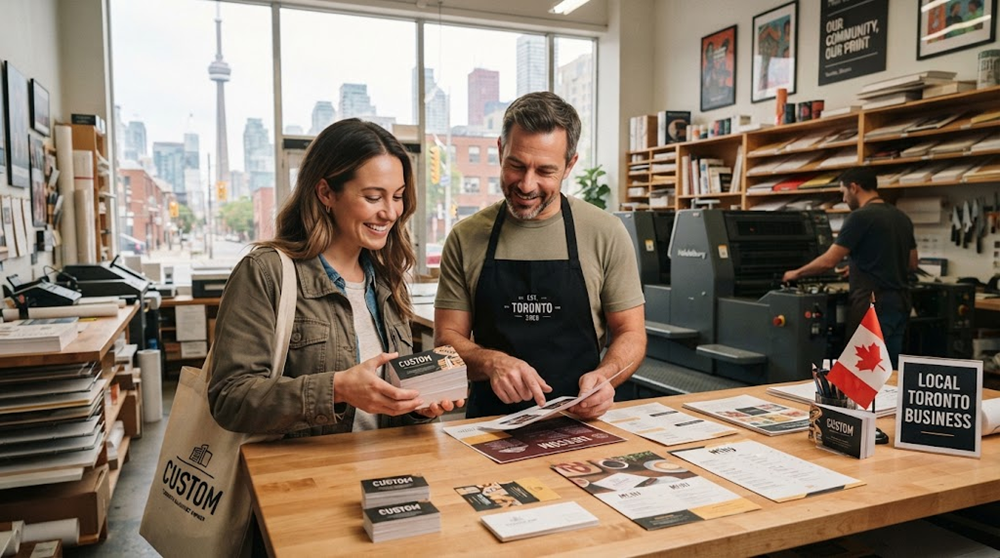
This is one reason travel and hospitality brands often use CheapFastPrinting for welcome packs, guest itineraries, event cards, room information pieces, keepsake-style inserts, and other printed materials that help destinations feel more intentional and memorable. Free design setup, free design edits, free image enhancement, free file conversion, free QR-code generation, and free proofing make it easier to turn practical guest information into part of the overall hospitality experience.
Seasonal Travel Benefits From Better Guest Communication
Irish travel changes meaningfully with the seasons. Spring carries freshness and anticipation. Summer offers longer days and abundance. Autumn often feels reflective and atmospheric. Winter shifts attention toward coziness, warmth, and interior character. These seasonal differences are not just weather changes. They affect what guests expect, what they can do, and what kind of memory the trip may become.
Because of that, seasonal communication matters. Guests benefit from knowing what to pack, what experiences are especially good at that time of year, what weather patterns to anticipate, and how the property’s character changes across the calendar. This kind of guidance supports both satisfaction and atmosphere. Instead of being caught off guard, the guest is prepared to appreciate what the season actually offers.
Printed seasonal inserts or concise arrival guides work especially well here because they can be designed to match the tone of the stay while still being genuinely useful.
Printed Guest Details Make the Experience Easier to Remember
In hospitality, memory is built partly through emotion and partly through repetition of touchpoints. A guest may remember a room because of the view, but also because the welcome felt thoughtful. They may remember the wedding because the program was beautiful, the itinerary was easy to follow, and the event details felt gracefully handled. They may remember the retreat because the schedule, local notes, and small keepsakes made the stay feel coherent from beginning to end.
These details matter because travel is full of information that can either support or dilute the emotional experience. When guest details are visible and well presented, they support it. When everything lives in scattered messages or temporary phone screens, the experience often feels less grounded.
For hospitality venues wanting to compare stocks and formats before creating welcome packs or guest materials, trying a printed sample package for comparison can help. A more tactile, readable format often makes guest-facing materials feel more in line with the quality of the stay itself.
Hospitality ExperienceWhat Guests RememberHow Printed Details HelpRomantic staysAtmosphere, privacy, and emotional toneWelcome notes and local guides deepen the sense of intentionHeritage propertiesCharacter, story, and sense of placePrinted history and room materials help the venue tell its storyGroup trips and weddingsTogetherness and smooth shared experiencePrograms and itineraries reduce confusion and improve flowWellness and seasonal staysEase, rhythm, and feeling cared forClear guest information supports relaxation and preparednessFinal Thoughts
Irish hospitality creates lasting memories because it combines place, atmosphere, and human warmth in a way that feels emotionally resonant. Romantic stays, heritage retreats, group experiences, wellness escapes, and culturally rich visits all become more meaningful when the guest feels not only accommodated, but genuinely guided through the experience.
That guidance does not need to be loud. In fact, the best versions are often quiet: a room card, a welcome packet, a wedding program, a local guide, a seasonal note, or a keepsake insert that helps the stay feel more coherent. These details do not replace the beauty of the destination. They help the guest hold onto it more clearly.
Final thought: hospitality becomes most memorable when great places are matched by thoughtful details, because guests remember not only where they stayed, but how carefully the whole experience was shaped around them.