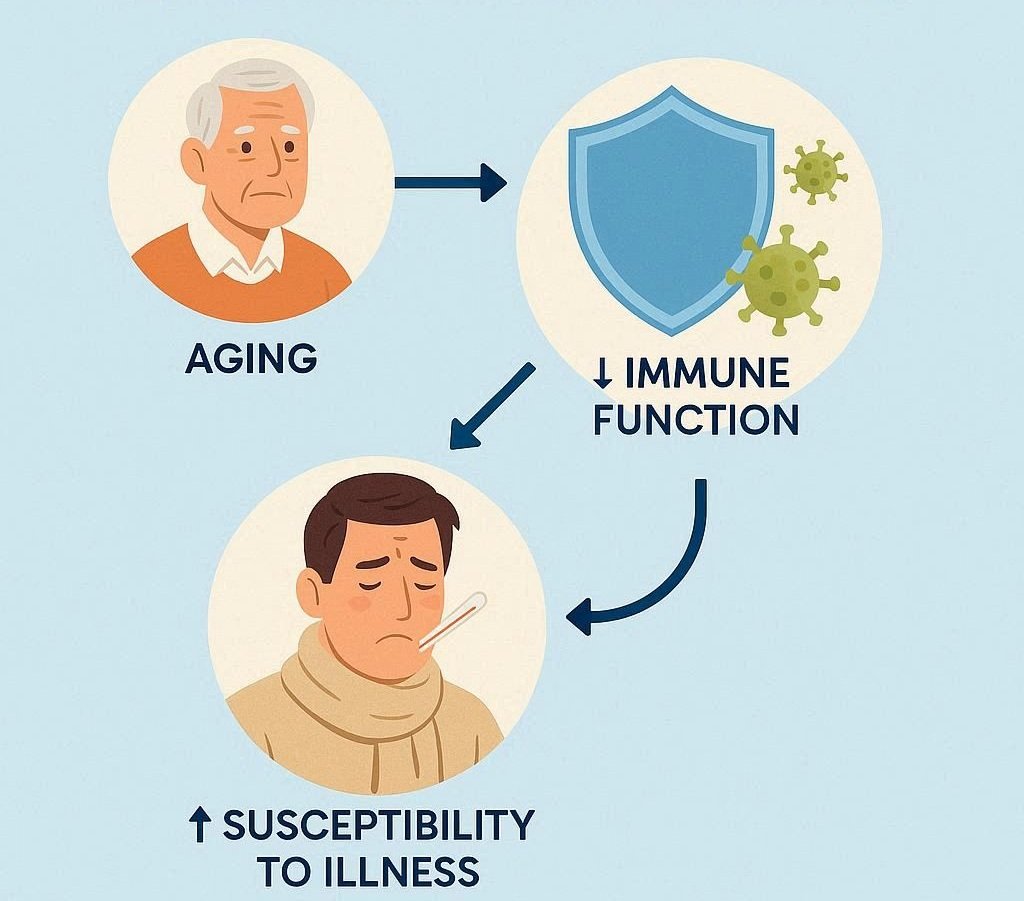
As individuals age, most of them observe that they appear to get infected easily, slow to recuperate after sickness or develop chronic health disorders that were previously uncommon. The change is not merely an accident of age, but is closely associated with a biological phenomenon called immunosenescence, which is the progressive attenuation of the immune system with age.
The immune system is the defense system of the body, which defends against bacteria, viruses, fungi and rogue cells. This system is normally very responsive in younger people as it acts on the threat very fast. But as age increases, the immune system becomes weaker and the body is also susceptible to infections, inflammation and disease.
The immunosenescence is important to understand in order to enhance healthy aging. Although some deterioration of the immune system is an unavoidable aspect of life, it is possible to employ practical measures that may bolster the immune system and minimize the risks to health. Eating healthy, immunizing, stress management, physical exercise, and sleep are all very important in ensuring that one has a healthy immune system.
This article will discuss the impact of the aging process on immunity, why elderly people become sick more frequently, and how best to boost the natural defense mechanisms of the body.
Understanding Immunosenescence
Immunosenescence is a term used to describe the age-associated progressive loss of immune system functioning. It makes an impact on the innate and adaptive immune systems. The first line of defense of the body is the innate immune system. It reacts promptly to the presence of invading pathogens by means of physical defenses, inflammation and specialized immune cells including macrophages and neutrophils. Adaptive immune system is more specialized. It comprises T cells and B cells that assist the body identify certain pathogens and develop long-term immunity.
Both systems change tremendously as aging occurs. The body will have a decreased number of immune cells, and the ones that are produced will be less effective in responding to threats. One of the primary causes of susceptibility of older adults to infections and chronic diseases is this weakening of immune defense.
The Immunologic effect of aging
A decrease in the production of T cells is one of the greatest impacts of aging on immunity. T cells are the key players in the mechanism of identifying infected cells and the coordination of immune response. The thymus is the organ that produces T cells and in the process it shrinks as one ages. This leads to a decrease in the production of new T cells by the body, lowering its level of response to the unknown infections.
B cells, which produce antibodies are also influenced. The elderly can also develop fewer antibodies and in some cases ineffective antibodies that can result in a weakened immune system to combat infections or in extreme cases a heightened reaction to vaccinations. Moreover, the immune cells can be slowed down in communication and reaction, and the body will find it difficult to rapidly get rid of the pathogens. This is the reason why diseases like cold, flu and respiratory diseases can be more frequent and serious as a person ages.
Greater vulnerability to Infections
One of the significant effects of immunosenescence is the susceptibility to infections. Seniors tend to be more susceptible to respiratory diseases including influenza, pneumonia, and bronchitis. These diseases may also result in more severe complications than younger people.
The process of wound healing can be also slowed down due to the involvement of the immune system in the process of tissue repair and suppression of inflammation.Even such common infections that young individuals can overcome easily might become slow in eliminating in older adults. This increased susceptibility highlights the importance of preventive healthcare and immune support.
Chronic Inflammation and Age-Related Disease
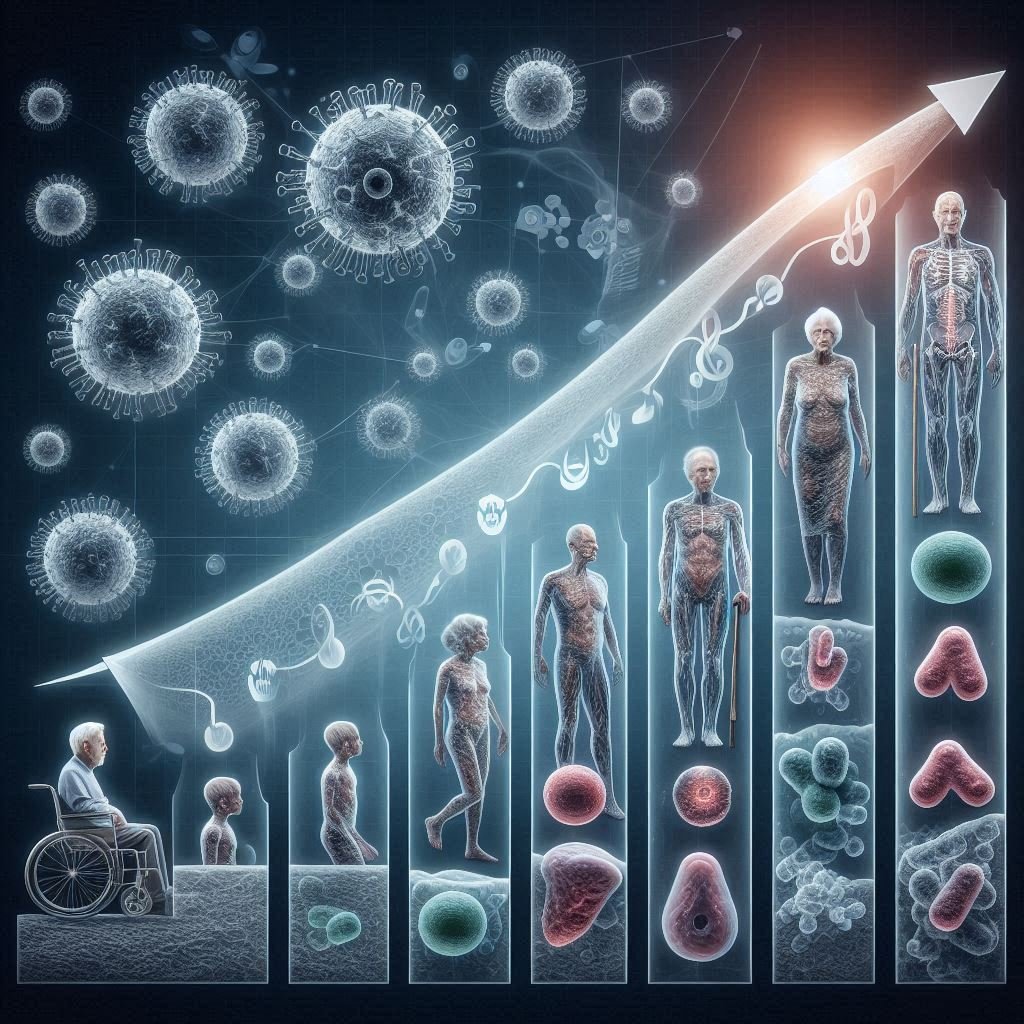
Another important aspect of immunosenescence is chronic low-grade inflammation, often referred to as “inflammaging.” With aging of the immune system, it can be in a mildly activated inflammatory condition without infection. This chronic inflammation may destroy tissues and cause chronic diseases.
Age-related inflammation is normally related to cardiovascular disease, arthritis, diabetes, and neurodegenerative disorders. Immune response can also be further compromised by chronic inflammation, which leads to a vicious cycle, rendering the body overactive in inflammation and underactive in defence. This is among the most worrying effects of immune aging.
The Nutrition immune Resilience role
One of the best methods of supporting the aging body is through nutrition to support the immune system.
Vitamins, minerals, and antioxidants are necessary to support the functioning of the immune system.
- Vitamin C helps in the activity of white blood cells and in the defense of cell oxidative stresses. Excellent sources are foods like oranges, strawberries, bell peppers and broccoli.
- Vitamin D particularly plays a key role in immune control. The low levels are usually associated with a high risk of infection, especially among the elderly.
- Zinc helps in the development of immune cells and healing of wounds. It can be found in nuts, seeds, legumes, and lean meats.
- Protein is also important as the immune cells and antibodies depend on amino acids to be produced and repaired.
The nutrients required to help maintain immunity include a balanced diet that is high in fruits, vegetables, lean proteins, whole grains, and healthy fats.
Preventive Vaccination
With age, the immune system becomes weaker and thus, vaccination becomes more crucial. Vaccines assist the immune system to be trained to attack certain pathogens before they are even exposed. The elderly are highly encouraged to get seasonal flu shots, pneumonia shots and other recommended vaccinations.
Even in the case of immunosenescence, although the response to vaccines may be slightly lower, they will still contribute to a high level of risk reduction of severe illness and complications. Inoculation is among the most feasible and evidence-based methods of infection prevention in the elderly.
Effects of Stress and Immune Response
An already aging immune system can be further weakened by chronic stress. Cortisol and other stress hormones may inhibit the performance of immune cells in case of prolonged increase. This complicates the ability of the body to combat infections and heal an illness.
The effects of immunosenescence are also aggravated by long-term psychological stress, which increases the level of inflammation. Mindfulness, deep breathing, meditation, and regular relaxation are stress management methods that can assist in the immune well-being.
The Importance of Sleep
One of the best recovery tools that the body has is sleep. When humans sleep, the immune system performs repair functions, generates signaling proteins and reinforces immune memory. Inadequate sleep or low sleep quality may lower immune cell functionality, as well as predispose the body to infections.
The aged tend to change in their sleeping patterns but sleep hygiene should always be given priority. Having a regular sleeping schedule and establishing a relaxing atmosphere during sleep can go a long way in assisting immune resilience.

Workout and Immune Boost
Exercise is also beneficial to immune health:
In cases of moderate exercise, the circulation of blood is better, and immune cells can operate more effectively in the organism.
- It also contributes to eliminating chronic inflammation, as well as better stress control.
- The immune can be made more resilient by activities like walking, swimming, cycling, and strength training.
Even daily activity of 30 minutes can have a huge impact in the long run.
Healthy Living to prevent chronic diseases
Slow the effects of immunosenescence are based on a healthy lifestyle. It is also important to avoid smoking and heavy drinking since both may inhibit the immune system and cause inflammation.
Healthy body weight also helps in keeping the immune in check and minimizes the risk of diseases. Social interaction and emotional health could also have a positive influence on immune health by reducing the levels of stress and enhancing mental resilience. Consistency over long-term is better than extreme changes in the short-term.
Early Awareness Prevention of Complications
Early detection of immune loss will enable individuals to take initiatives. Recurring infections, delayed wound healing, fatigue, and the prolongation of the recovery period are some possible signs of decreased immune efficiency. Routine checkups may assist in tracking health indicators and detecting possible risks in their initial stages. The cost of preventive healthcare is on the rise with age.
Benefits of Supporting Immune Health in the Long-term.
Promoting immune health is more than lowering infections. It helps in the quicker recovery, decreasing inflammation, enhancing overall energy, and decreasing the possibility of chronic disease. Healthy immune also enhances quality of life in that older adults are able to be active and independent.
Conclusion
Immunosenescence is a normal ageing process, and knowing it will help human beings take effective measures towards ensuring they are not at risk of their health. The weakening of the immune system also makes the body susceptible to infections, slows down healing, and long-lasting inflammatory illnesses. Nevertheless, with the right nutrition, vaccination, stress management, physical activity, good sleep and healthy lifestyle, one can build up immune resilience and contribute to better aging.