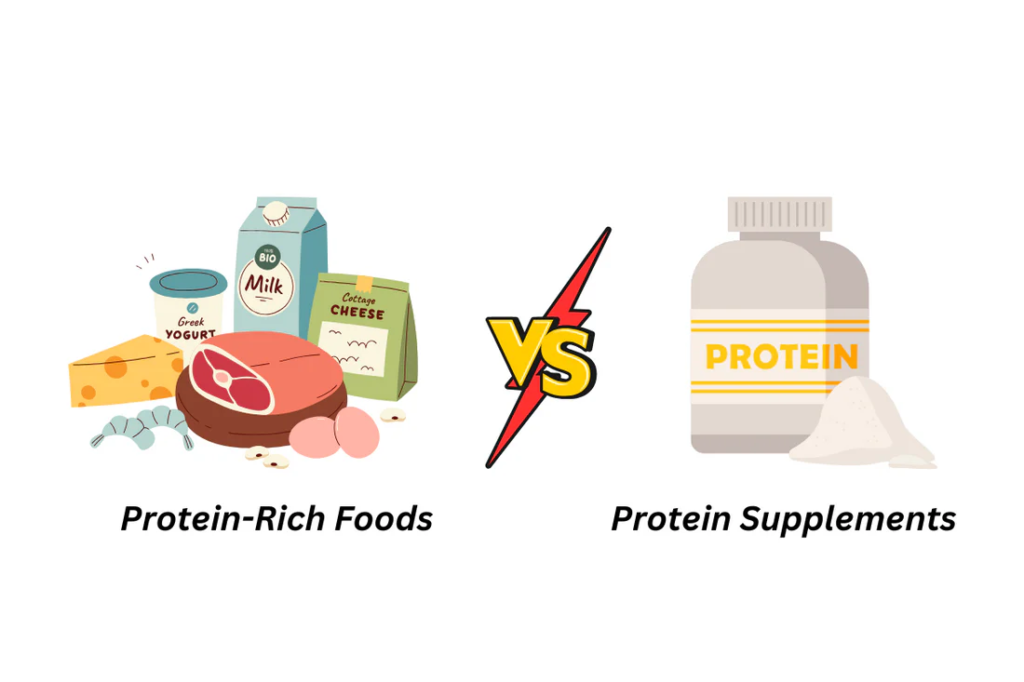
Protein is an essential part of daily nutrition. It supports muscle repair, energy production, and overall body maintenance. Most people get their protein from a mix of diet and convenience-based options depending on their routine.
Think Protein food as the base of your daily intake because whole foods naturally provide protein along with other nutrients your body needs.
At the same time, modern lifestyles have introduced quicker options like protein shakes and supplements. Each source has its own role, and understanding the difference helps you make better daily choices.
Understanding Daily Protein Needs
Protein needs vary from person to person. Factors like age, body weight, activity level, and fitness goals all play a role.
A general guideline is 0.8 grams of protein per kilogram of body weight for an average adult. For people who are active or exercise regularly, the requirement can go higher, usually between 1.2 and 2.0 grams per kilogram.
If protein intake is too low, the body may experience slower recovery, fatigue, or loss of muscle strength over time. Balanced intake helps maintain energy levels and supports daily physical functions.
Protein from Everyday Food Sources
Natural foods are the most common and reliable source of protein. They also provide additional nutrients like vitamins, minerals, and fiber.
Think protein food as the primary approach because it supports overall nutrition instead of focusing on a single nutrient.
Common food sources of protein
- Eggs, chicken, fish, and lean meat
- Milk, yogurt, and cheese
- Lentils, beans, and chickpeas
- Nuts, seeds, and whole grains
General benefits of food-based protein
- Provides balanced nutrition
- Supports natural digestion
- Helps maintain steady energy levels
- Suitable for long-term daily use
Most people can meet a large portion of their protein needs through regular meals if the diet is well planned.
Protein Shakes in Modern Diets
Protein shakes are commonly used when people need a quick and simple way to add protein to their diet. They are often chosen by individuals with busy schedules or higher activity levels.
When discussing protein shakes, options vary depending on ingredients, protein type, and dietary preferences. More information about commonly used options like protein shakes can help in understanding available choices.
General uses of protein shakes
- Quick meal addition when time is limited
- Post-exercise nutrition support
- Easy option for travel or busy days
- Helps fill gaps in daily protein intake
Points to keep in mind
- Not a replacement for full meals
- Should be used according to individual needs
- Ingredient quality varies across products
- Balance with regular food intake is important
Role of Supplements in Nutrition
Supplements are additional products used to support dietary intake. They are not required for everyone but may be used in specific situations where regular diet is not sufficient.
Some people use supplements as part of fitness routines or when dietary restrictions limit protein intake.
For general comparison and awareness of options, refer to supplements.
Situations where supplements may be used
- Increased physical activity or training
- Limited access to protein-rich foods
- Specific dietary patterns or restrictions
- Recovery phases requiring higher intake
General considerations
- Should not replace whole foods
- Need careful selection based on quality
- Usage depends on individual requirements
- Overdependence is not recommended
Comparing Different Protein Sources
Each protein source has a different role depending on lifestyle and needs.
Food provides a complete nutritional base. Protein shakes offer convenience when time is limited. Supplements are used for specific dietary support when required.
Most people use a combination of all three depending on their routine rather than relying on one single source.
Practical Approach to Daily Protein Intake
Meeting protein needs does not require complex planning. A simple and consistent approach is usually enough.
Including protein in each meal, adjusting portions based on activity, and using convenience options only when needed can help maintain balance.
It is also important to focus on overall diet quality rather than only protein quantity.
Final Perspective on Protein Choices
Protein intake is flexible and depends on individual lifestyle rather than strict rules. A mix of food-based sources, occasional shakes, and selective supplement use is common in many diets.
Protein food should remain the main foundation, while other options can be used based on convenience and need.