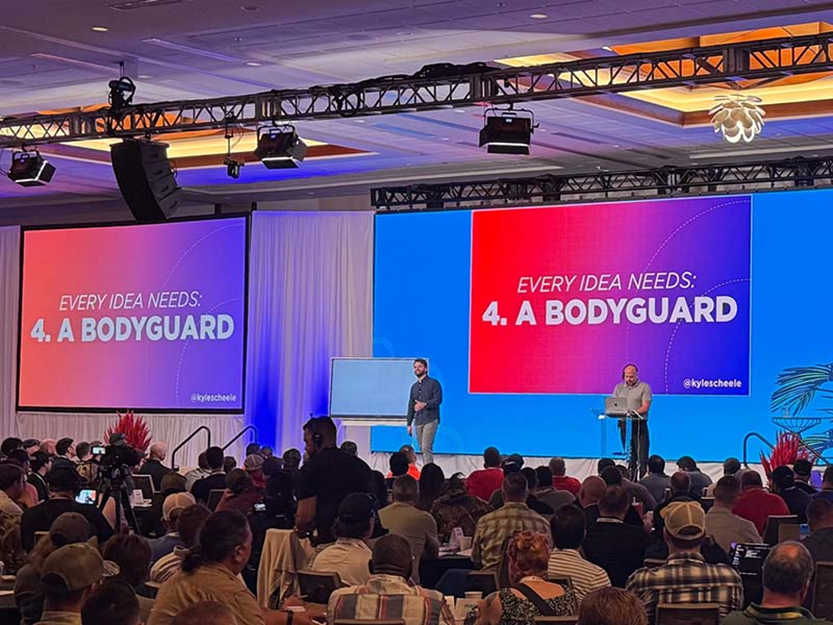
Planning a conference may seem straightforward on the surface, but anyone who has managed one knows how quickly the complexity grows. From coordinating schedules and managing vendors to ensuring flawless technology and a positive attendee experience, there are dozens of moving parts that must align perfectly.
Many organizations begin the process assuming they can manage everything internally. While this may work for smaller meetings, larger conferences often require a level of coordination and technical expertise that goes beyond in-house capabilities. This is where working with an experienced conference planning company can make a significant difference.
The Hidden Complexity Behind Corporate Conferences
A successful conference is more than just a series of presentations. It involves strategic planning, detailed logistics, and real-time execution. Each component must work together to create a seamless experience for attendees.
Some of the most commonly underestimated aspects of conference planning include:
- Coordinating multiple sessions and speakers across different rooms
- Managing attendee flow and registration processes
- Ensuring audio and visual systems function without interruption
- Aligning event design with branding and messaging
- Supporting both in-person and remote participants in hybrid formats
Without proper planning and support, these elements can quickly become overwhelming, leading to delays, technical issues, or a disjointed attendee experience.
Why Strategy Comes Before Logistics
One of the biggest mistakes organizations make is jumping straight into logistics without defining a clear strategy. Before selecting a venue or scheduling sessions, it’s important to establish the purpose of the event.
Is the goal to educate, network, launch a product, or strengthen relationships? The answer to this question influences every decision that follows, from the format of the event to the technology required.
Professional planners focus on aligning the event structure with these objectives. This ensures that every aspect of the conference—from keynote sessions to breakout discussions—contributes to a cohesive and meaningful experience.
The Role of Technology in Modern Conferences
Technology plays a central role in today’s conferences, and its importance continues to grow. Attendees expect clear audio, high-quality visuals, and seamless transitions between sessions.
Poor sound quality or unreliable presentation systems can disrupt the flow of an event and distract from the content being delivered. On the other hand, well-executed AV setups enhance communication and help maintain audience engagement.
Modern conferences often incorporate a wide range of technologies, including:
- High-lumen projectors and large-format screens
- Wireless microphones and digital audio systems
- LED displays and stage lighting
- Live streaming platforms for hybrid audiences
Coordinating these systems requires both technical knowledge and hands-on experience. This is why many organizations rely on specialists who can manage both the equipment and the execution.
Creating a Seamless Attendee Experience
Attendee experience is one of the most important factors in the success of a conference. From the moment guests arrive, every interaction contributes to their overall impression of the event.
Efficient registration processes, clear signage, and well-organized schedules help create a smooth experience. At the same time, engaging content and interactive elements keep attendees involved throughout the event.
For hybrid conferences, the experience must extend beyond the physical venue. Remote participants should have access to the same level of engagement, whether through live streaming, interactive Q&A sessions, or virtual networking opportunities.
Balancing these elements requires careful planning and coordination, particularly when managing both in-person and virtual audiences simultaneously.
Managing the Event in Real Time
Even with thorough planning, live events require constant oversight. Unexpected challenges can arise at any time, from technical issues to scheduling changes.
Having a dedicated team to manage the event in real time ensures that these challenges are addressed quickly and efficiently. This includes monitoring audio and visual systems, coordinating speakers, and keeping sessions on schedule.
Real-time management allows organizers to focus on their goals—whether that’s delivering a presentation or engaging with attendees—while experienced professionals handle the operational details.
The Value of Professional Event Support
While it may be tempting to handle event planning internally, the value of professional support becomes clear when considering the complexity of modern conferences.
Experienced planning teams bring a structured approach to every stage of the process, from initial strategy to post-event evaluation. They also provide access to specialized resources, including advanced AV technology and skilled technicians.
According to industry insights, a comprehensive approach to conference planning includes strategic development, AV integration, attendee engagement, and post-event analysis—all of which contribute to a more successful outcome.
This level of support helps reduce risk, improve efficiency, and ensure that every aspect of the event aligns with its intended purpose.
Looking Ahead: The Future of Conference Planning
As business events continue to evolve, the expectations for conferences will only increase. Hybrid formats, interactive technologies, and data-driven insights are becoming standard components of modern events.
Organizations that adapt to these trends will be better positioned to deliver engaging and impactful experiences. This requires not only the right tools but also the expertise to use them effectively.
By taking a strategic approach to planning and leveraging professional support when needed, companies can create conferences that are not only well-executed but also memorable and meaningful.
Planning Successful Conferences
Planning a conference involves far more than logistics—it requires a thoughtful combination of strategy, technology, and execution. Every detail, from the initial concept to the final session, contributes to the overall success of the event.
By recognizing the complexity of the process and investing in the right resources, organizations can deliver conferences that achieve their goals and leave a lasting impression on attendees.
Whether hosting a small executive meeting or a large-scale convention, the key to success lies in preparation, coordination, and a clear understanding of what makes an event truly effective.