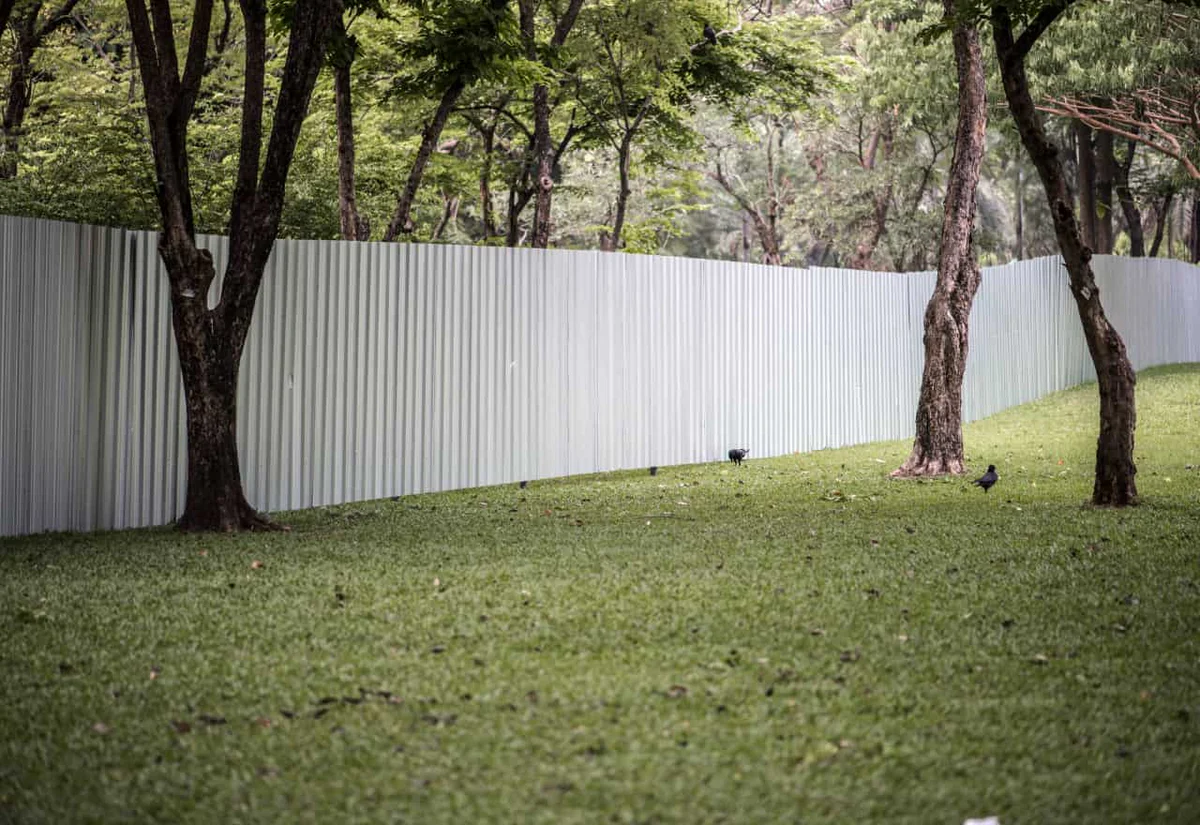
Fences have long been a vital part of how properties are designed, protected, and used. While their basic purpose is often seen as marking boundaries, the reality is that modern fencing solutions serve a much wider range of functions. From enhancing security and privacy to improving visual appeal and property value, fencing remains an essential feature for residential, commercial, and public spaces alike.
Defining Boundaries and Creating Order
One of the primary roles of fencing is to clearly define boundaries. For homeowners, this helps establish private space and prevent disputes with neighboring properties. In commercial and industrial settings, fencing provides structure by outlining access points, controlling movement, and protecting assets.
Clear boundaries also contribute to better organization of outdoor areas. Gardens, driveways, parking spaces, and recreational zones can be separated logically, making properties more functional and easier to manage. Thoughtfully designed fencing brings order and clarity to spaces that might otherwise feel open or undefined.
Enhancing Privacy and Comfort
Privacy is a key consideration for many property owners, particularly in busy urban and suburban environments. Fencing creates a physical barrier that limits visibility and reduces external disturbances, allowing people to enjoy their spaces more comfortably.
Well-planned fencing solutions strike a balance between privacy and openness. The right materials and designs can reduce visual exposure while still allowing light and airflow, ensuring outdoor areas remain welcoming rather than enclosed.
Security That Fits the Environment
Security is another crucial benefit of fencing. A strong, well-positioned fence acts as a deterrent to trespassing and unauthorized access. For families, it provides a safe, enclosed area for children and pets. For businesses, it protects equipment, stock, and premises from potential threats.
Effective Fencing considers more than just height or strength. It also accounts for gate placement, access control, and the surrounding environment. When security measures are integrated into the overall design, fencing can provide protection without appearing aggressive or out of place.
Aesthetic and Property Value Benefits
Modern fencing is no longer purely functional. It plays a significant role in a property’s appearance and overall curb appeal. The right fencing style can complement architectural features, frame landscaping, and enhance the visual character of a space.
A well-maintained fence often signals care and attention to detail, which can positively influence how a property is perceived. This can be especially valuable when selling or renting, as fencing is often viewed as a desirable feature that adds convenience and appeal.
Working with experienced providers such as G&G Fencing helps ensure that both practical and aesthetic considerations are addressed. Professional guidance can make a significant difference in achieving a result that aligns with the property’s style and long-term needs.
Durability and Long-Term Performance
Advancements in materials and construction methods have greatly improved the durability of modern fencing. Pressure-treated timber, metal options, and composite materials are designed to withstand weather conditions, pests, and daily wear.
Durability directly impacts long-term costs. A high-quality fence requires less maintenance, fewer repairs, and offers a longer lifespan. Proper installation is equally important, as correct foundations and fixings ensure the fence remains stable and visually consistent over time.
Environmental and Functional Advantages
Fencing also offers environmental benefits. It can act as a wind barrier, protect plants, and reduce soil erosion in exposed areas. In rural or semi-rural settings, fencing is essential for managing livestock and safeguarding crops.
From a functional perspective, fencing helps manage how spaces are used. It guides foot traffic, restricts access to sensitive areas, and supports safety measures in public and commercial environments. These practical benefits make fencing a valuable tool for both private and shared spaces.
Choosing the Right Fencing Solution
Selecting the right fencing solution depends on several factors, including purpose, location, budget, and design preferences. A fence intended primarily for privacy will differ significantly from one designed for security or decorative purposes.
Professional assessment and planning can help ensure the fencing solution meets both immediate and long-term requirements. By considering materials, layout, and installation quality, property owners can avoid common issues and achieve a more reliable result.
A Lasting Investment
Fencing continues to be an important element of modern property design because it combines function, safety, and visual appeal. When carefully planned and professionally installed, it becomes more than just a boundary—it becomes a lasting investment that adds value, comfort, and structure to a space.
Whether for a home or a commercial property, quality fencing plays a key role in creating environments that are secure, organized, and visually appealing.