Introduction
Cars have become more than just a way to travel from one place to another. For some people, they represent status, comfort, and luxury, while for others, cars are a tool for saving money and getting the best value possible. This is why the debate between luxury cars and economy cars continues to attract so much attention. When people shop for vehicles, they often look at features such as price, comfort, technology, and most importantly, size. The ability to Compare Car Sizes Side by Side has never been more important for buyers because the size of a car impacts fuel efficiency, parking, safety, and overall driving experience. In this article, we will explore the major differences between luxury cars and economy cars, focusing on how their sizes affect performance, lifestyle, and long-term value. This way, you can make a more informed decision when choosing between the two categories.
Size and Space Differences Between Luxury Cars and Economy Cars
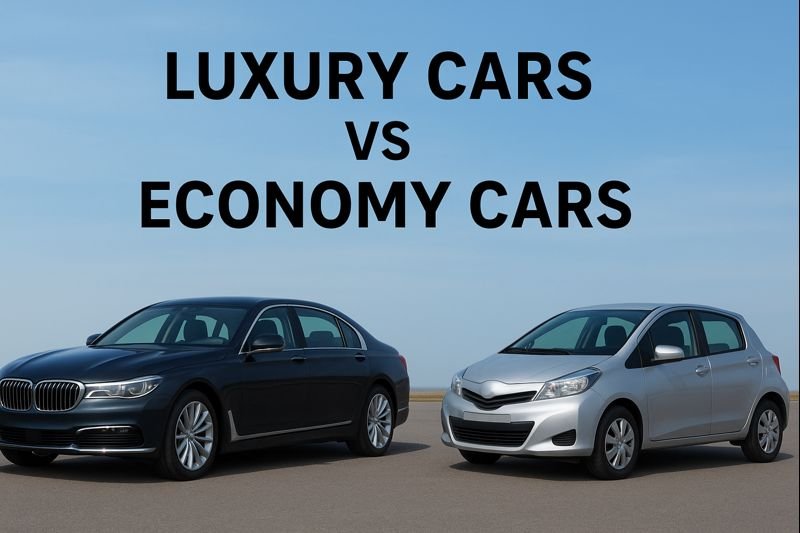
One of the most noticeable differences between luxury cars and economy cars is size. Luxury cars are generally larger, offering more interior room, leg space, and trunk capacity. This added size makes them ideal for long trips, families, or professionals who want comfort while driving. In contrast, economy cars are often smaller, compact, and designed for urban environments where parking space and fuel savings are important. When we Compare Car Sizes Side by Side, it becomes clear that luxury vehicles usually win in spaciousness, but economy cars shine in maneuverability. For example, a luxury sedan or SUV will provide ample space for passengers to stretch out, while an economy hatchback or compact sedan will make it much easier to navigate through crowded city streets. Size is not just about comfort; it also plays a role in safety features, ride quality, and the type of driving experience you get.
Performance and Driving Experience Linked to Size
The size of a car heavily influences its performance on the road. Larger luxury cars are often equipped with more powerful engines to match their weight and size, offering a smoother and faster ride. They also tend to have advanced suspension systems, which absorb bumps and provide stability at high speeds. On the other hand, economy cars, with their smaller size and lighter frames, are typically designed for fuel efficiency rather than speed or luxury performance. By taking the time to Compare Car Sizes Side by Side, buyers can better understand how vehicle size impacts performance. A compact car may feel nimble and easy to handle in tight spaces, while a large luxury SUV will deliver a commanding presence on highways but might feel overwhelming in city traffic. Ultimately, the choice between performance and practicality often comes down to personal preference and lifestyle needs.
Fuel Efficiency and Environmental Impact
Car size is closely connected to fuel efficiency, and this is another area where economy cars often have the upper hand. Because they are smaller and lighter, economy cars require less fuel to operate, making them cheaper to run and more environmentally friendly. This is one reason many buyers looking for used cars in rialto tend to choose compact, fuel-efficient models. Luxury cars, being larger and heavier, often consume more fuel even with advanced technology like hybrid systems. This size difference plays a key role in long-term ownership costs, especially when gas prices rise. If we Compare Car Sizes Side by Side, the economy car is almost always more fuel-efficient, while the luxury car offers greater comfort but at a higher cost of fuel. Modern luxury brands are trying to close this gap by offering electric or hybrid models, but economy cars still remain the go-to choice for those prioritizing savings and reduced environmental impact. For eco-conscious buyers, smaller vehicles are often the most logical choice.
Cost of Ownership and Practical Considerations
The true cost of owning a car goes beyond its sticker price. Larger luxury cars not only cost more to purchase but also come with higher maintenance fees, insurance rates, and repair expenses. Their size also means they may wear down tires and brakes faster than smaller cars. In contrast, economy cars are less expensive to buy and maintain, making them appealing to students, first-time buyers, and families on a budget. When we Compare Car Sizes Side by Side, the economy car stands out as the most practical option for cost-conscious drivers. However, for those who value comfort, advanced features, and prestige, the added expenses of a larger luxury car may feel justified. Parking and storage are also easier with smaller cars, particularly in crowded cities where every inch of space counts. Therefore, size directly influences not just how the car feels on the road but also how much money you spend over time.
Conclusions
Choosing between a luxury car and an economy car is not a simple decision. The key difference often comes down to size and how it affects comfort, performance, fuel efficiency, and cost. Luxury cars are bigger, more powerful, and designed to deliver an unmatched driving experience, while economy cars are smaller, affordable, and fuel-efficient. When you Compare Car Sizes Side by Side, the trade-offs become clearer: more space and luxury usually mean higher costs, while smaller size means better fuel savings and easier handling. Ultimately, the right choice depends on your lifestyle, budget, and personal priorities. Some buyers will gladly pay extra for comfort and prestige, while others will see more value in practicality and affordability. By understanding the impact of size in this debate, you can make a smarter and more satisfying car-buying decision.