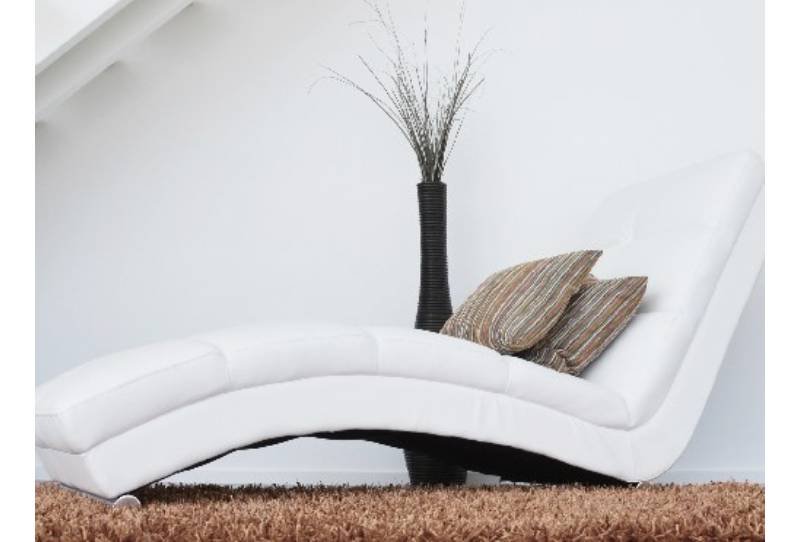
Your living room serves as the heart of your home, where you entertain guests, relax with family, and express your personal style. Choosing the right furniture to align with your home’s style can transform your space into a cohesive and inviting environment. This guide will help you match your living room furniture to your home’s style, whether it leans modern, traditional, rustic, or eclectic.
Identify Your Home’s Overall Style
The first step in used living room furniture stores maryland is identifying your home’s design style. Consider these common home styles:
Modern: Clean lines, minimalism, and neutral tones dominate modern interiors. Furniture often features metal, glass, and sleek finishes.
Traditional: Rich wood tones, ornate details, and classic silhouettes define traditional homes. Upholstered furniture with patterns or tufted designs are common.
Rustic: Natural materials like wood, leather, and stone characterize rustic homes. Furniture is often sturdy, with a focus on comfort and earthy colors.
Eclectic: A mix-and-match approach combining various styles, textures, and colors to create a unique, personalized look.
Mid-Century Modern: A retro aesthetic with clean lines, tapered legs, and vibrant colors.
Understanding your home’s overall style will serve as a foundation for choosing complementary living room furniture.
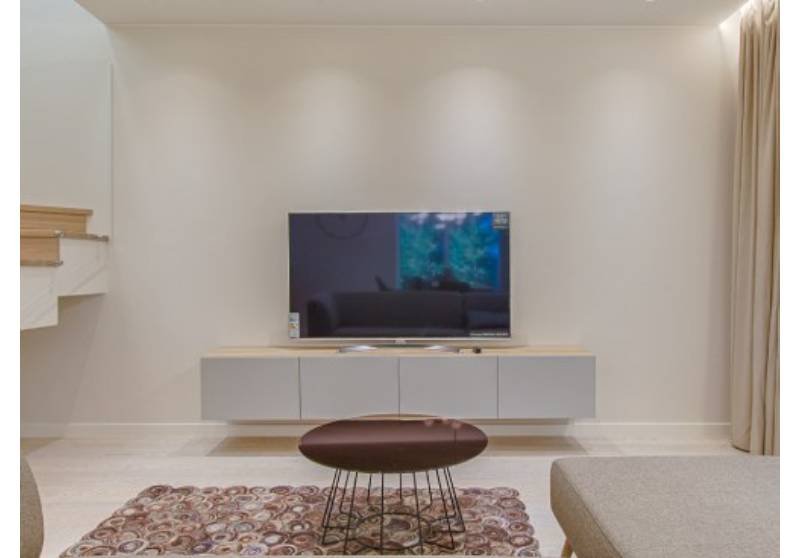
Coordinate Colors and Finishes
Colors play a significant role in achieving a harmonious look. Follow these tips:
- Create a Color Palette: Choose 2-3 main colors and 1-2 accent colors that reflect your home’s style. For example, modern homes may benefit from monochromatic schemes, while rustic homes embrace warm, earthy tones.
- Match Furniture Finishes: Ensure that the wood or metal finishes of your furniture are consistent or complement each other. For example, dark walnut pieces pair well with traditional styles, while lighter woods suit Scandinavian or mid-century designs.
- Use Neutral Foundations: Neutral-colored sofas or chairs provide versatility, allowing you to incorporate bold accents through pillows, rugs, or art.
Focus on Furniture Proportions and Layout
Proportions and layout ensure your living room feels balanced and functional:
- Scale Matters: Choose furniture that fits the dimensions of your living room. Large sectional sofas might overwhelm small spaces, while petite furniture may look out of place in larger rooms.
- Arrange Thoughtfully: Arrange seating to encourage conversation and comfort. Modern layouts often favor open plans, while traditional layouts lean toward symmetrical arrangements.
- Balance Visual Weight: Avoid clustering heavy or bulky furniture in one area. Mix lighter pieces, like glass coffee tables, with heavier ones to create balance.
Choose Furniture That Reflects Your Style
Specific furniture pieces can define your living room’s aesthetic. Here’s how to align key elements with popular styles:
- Sofas and Chairs:
- Modern: Low-profile sofas with streamlined designs.
- Traditional: Tufted sofas or wingback chairs with rolled arms.
- Rustic: Leather or slipcovered sofas with wooden frames.
- Eclectic: Bold patterns or mixed textures like velvet and rattan.
- Coffee Tables:
- Modern: Glass-top tables with metal frames.
- Traditional: Dark wood tables with intricate carvings.
- Rustic: Reclaimed wood or live-edge designs.
- Eclectic: Unique shapes or antique finds.
- Accent Pieces:
- Side tables, shelving, and ottomans can add to the room’s character. For instance, use a mid-century modern sideboard in retro-inspired rooms or a farmhouse-style bench in rustic spaces.
Add Texture and Layers
Layering textures can enhance your living room’s depth and warmth:
Rugs: Anchor your furniture with an area rug that complements your style. For example, Persian rugs suit traditional rooms, while jute or sisal rugs fit rustic designs.
Throw Pillows and Blankets: Mix materials like linen, velvet, or faux fur to add texture.
Curtains and Drapes: Choose fabrics and patterns that tie in with your theme. Sheer panels work well in modern spaces, while heavy brocades suit traditional homes.
Incorporate Lighting That Matches the Mood
Lighting not only sets the mood but also enhances your chosen style:
Modern: Sleek floor lamps or recessed lighting.
Traditional: Chandeliers or table lamps with ornate bases.
Rustic: Pendant lights with metal or wood accents.
Eclectic: Bold, artistic fixtures or vintage pieces.
Layer your lighting by combining overhead fixtures, task lighting, and ambient sources to create a well-lit and inviting space.
Integrate Decorative Elements
Decorative accents bring personality and cohesion to your living room:
- Wall Art: Match your artwork to your home’s style. Minimalist prints suit modern homes, while gallery walls with ornate frames enhance traditional spaces.
- Mirrors: Use mirrors to reflect light and add visual interest. Choose frames that align with your theme.
- Plants: Incorporate greenery to bring life to the room. Potted plants in ceramic containers work across most styles.
Balance Functionality and Aesthetics
Your living room should be both beautiful and functional:
- Storage Solutions: Opt for furniture with built-in storage, like ottomans or coffee tables with compartments.
- Durable Materials: Choose fabrics and finishes that can withstand daily use, especially in homes with children or pets.
- Multi-Purpose Furniture: Consider modular sofas or convertible tables for versatile functionality.
Stay True to Your Personality
While it’s essential to align with your home’s style, don’t forget to inject your personality:
- Include personal touches like family photos, travel souvenirs, or heirlooms.
- Experiment with colors and patterns that make you happy, even if they slightly deviate from traditional style rules.
Seek Inspiration and Expert Help
If you’re unsure about your choices, look for inspiration in design magazines, online platforms, or showrooms. Consulting with an interior designer can also provide tailored advice for achieving a cohesive look.
Conclusion
Matching your living room furniture to your home’s style involves thoughtful consideration of color, proportions, textures, and decor. By focusing on these elements, you can create a harmonious and inviting space that reflects your taste and complements your home’s architecture. With these tips, designing your dream living room becomes an exciting and rewarding journey.