Introduction
Irregular rainfall and long dry seasons pose a major water deficit problem to agriculture in these areas. Drought conditions are more frequently emerging as a challenge to farmers’ viability and profitability due to limited water availability, and efficient irrigation techniques are more often than not becoming a matter of survival. In those cases it is necessary to implement more enlightened water management strategies to maintain crop production, quality and minimise production risk. The modern farms are now very much dependent on the better irrigation system which can utilize water at best and keep wastage to a minimum. When farmers grasp and use the available technologies and evidence-based practices like drip irrigation, sprinkler systems, and water conservation, the impact on smallholder productivity can be stark. It is crucial that farmers who want to use the higher modern methods of irrigation plan a practical program suited to the soil, to their crop needs, and to their resources. Despite the fact that the large majority of farms are in drought-prone regions, with proper practice people can obtain stable production levels and income over the year on even such farms.
Smart irrigation during the dry season is of crucial importance to farming.
Dry season crop production is a challenge that demands accuracy in tasks, planning and judicious utilization of resources. Droughty seasons require planned irrigation as water is not readily available and it can cause stress to plants, causing poorer growth. Smart irrigation systems enable minimisation of over/under watering problems by helping the farmers manage water supply in line with the needs of the crops. This not only saves water but also benefits soil characteristics, nutrient uptake and plant well-being. Moreover, where water is pumped to irrigate plants at efficient rates, energy costs are also minimized and the danger of excessive runoff-induced soil erosion is lowered. Through combining technology and knowledge, farmers can ensure their productivity even with extreme climate change. Structured irrigation planning also benefits sustainable agriculture, as it helps to ensure that water resources are used efficiently and sustainably for future agricultural production, while maximizing the current productivity.
9 smart irrigation techniques for higher crop yield
1. Drip Irrigation System.
A drip irrigation system is one of the most effective irrigation systems to provide water in controlled amounts directly to the plant roots. This system consists of pipes, valves and emitters that spray water out gradually so there is not a lot lost to evaporation and runoff. It is especially beneficial for dry season farming, when water is precious. The crops will be filtered at root level giving a more even moisture supply so helping crop development and yield. A further advantage to the farmer will be less weed development because of the relatively dry soil around the plant. Furthermore, drip irrigation can be used in conjunction with fertilization systems, in which case nutrients can be provided directly to the plant, which also enhances efficiency. While setup costs might be more expensive than conventional methods, water efficiency and productivity can result in substantial savings over time, particularly for smallholders and commercial farmers.
2. Sprinkler Irrigation Method
Sprinkler irrigation is similar to the natural weather condition of rainfall, and is performed by applying water through pressurized nozzles that evenly spray water over farmland. This is useful for crops that are required to have controlled moisture in the entire field and area. It can be applied on different soil types and is flexible in different stages of the crop. Sprinkler irrigation helps to lower labor expenses and can even be automated and set on a schedule times of irrigation. In very hot climates however, some water wastage because of wind drift and evaporation must be managed by the farmers. Even with this constraint, sprinkler irrigation is a good choice for growing dry season crops as flexibility and good coverage is available. Irrigation scheduling can be a useful tool for modern farming systems because well-calibrated and well-timed irrigation treatments are very useful in improving water use efficiency and agricultural yield.
3. Rain water harvesting
Rain water harvesting systems are designed to capture and store rainwater during the rainy season for utilization during the dry season. This method offers farmers a source of water, alternative to uncertain rain or costlier ground water, to support farming. Water may be collected in water storage tanks, reservoirs, or underground storage systems and then stored in a water tank until needed for irrigation. Very sustainable and keeping the production of continuous crops even in the event of a drought. It also helps to reduce soil erosion and risk of flooding with excess water. Rain Water Harvesting can be an effective solution to cut down the irrigation cost, and enhance the resilience of agricultural production in properly managed condition. Can be coupled with a drip or sprinkler system for enhanced efficiency for farmers. Overall, it is a useful solution that is easy to maintain and is not environmentally harmful and provides water supplies all year round.
4. Soil Moisture Monitoring for Data Driven Irrigation
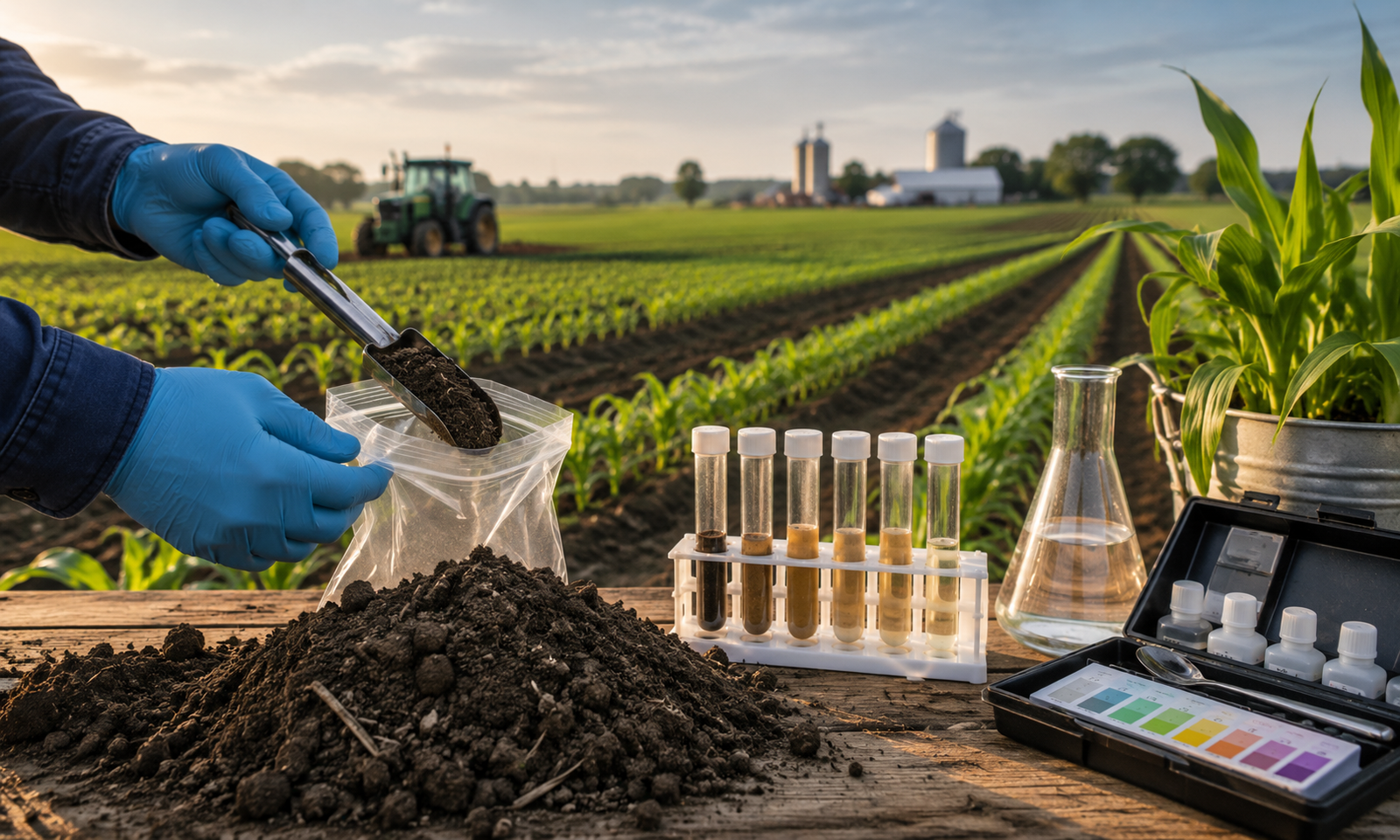
In a soil moisture monitoring system, either a sensor or simple tests are used to measure the amount of water in the soil prior to irrigation. This will help avoid unnecessary watering and get water to the crop when necessary. This method can help farmers to mitigate the risks of water scarcity and waterlogging—two major factors contributing to lower yields. High end systems can even send live data to mobile units and provide the farmer with the ability to make real-time irrigation decisions from a distance. Thus, the effectiveness in water utilization is enhanced and irrigation schedules are optimized on the basis of field conditions instead of assumed conditions. It is especially helpful in the dry season of farming, where water is precious. Throughout time, soil moisture monitoring can help maintain an improved soil health, root development and consistent growth throughout different stages of the crop.
5. Mulching
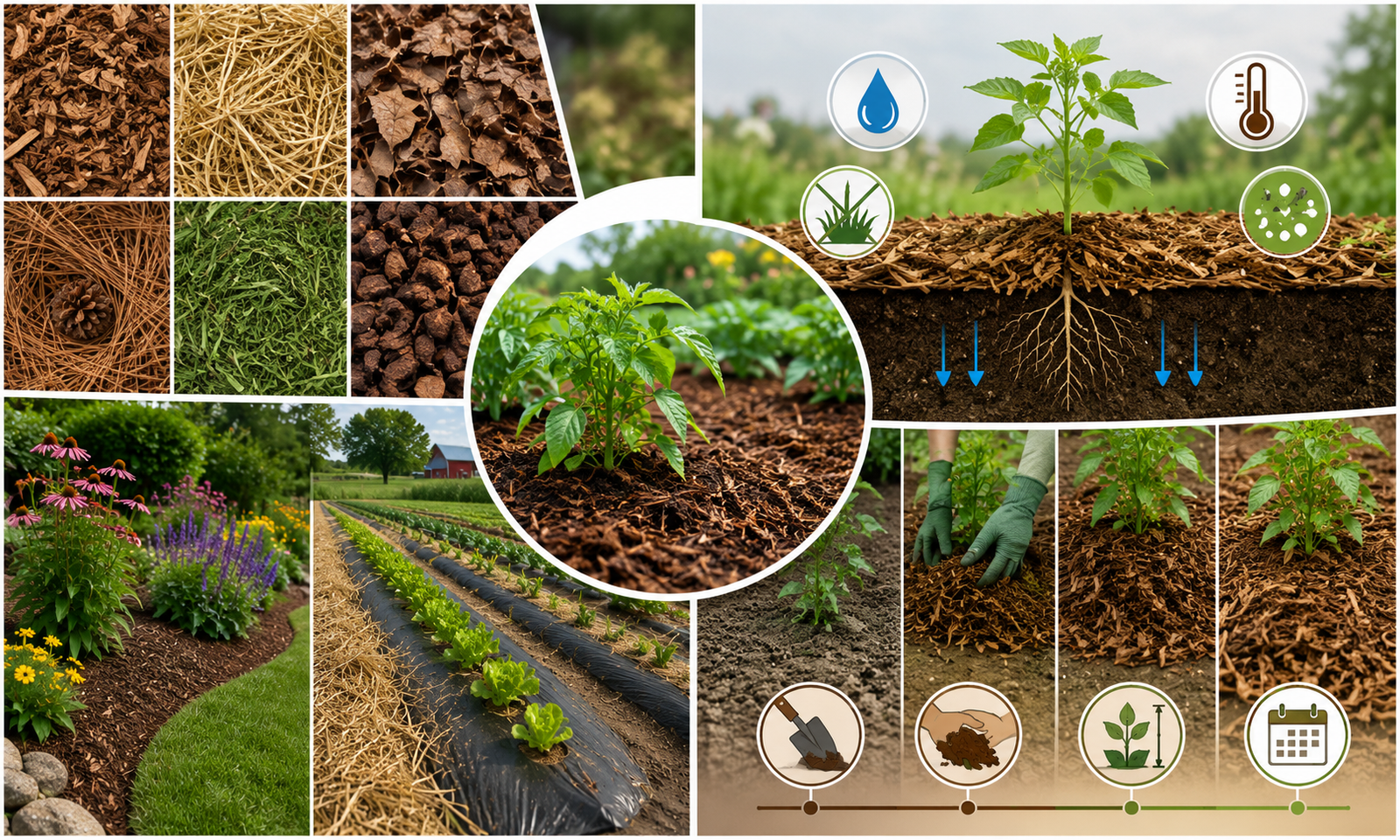
Mulching is a low tech yet highly effective method done by covering cropland with straw, leaves, plastic sheets, crop residues and many others. This protective layer prevents deeper evaporation of the water from the soil to retain moisture for longer after watering. Mulching also helps stabilize soil temperature as well as suppress weed growth, while bettering soil structure as the mulch materials break down. This method can help to conserve water and labour in dry season farming as it can significantly reduce the number of irrigations needed. It may be particularly advantageous for crops such as vegetables and fruit plants that have critical moisture requirements. Mulching helps to conserve soil moisture and help boost microbial activity which helps plants grow better and better quality yield. This simple method can be easily introduced to farmers when using other irrigation methods and it can increase overall productivity of the farm.
6. Deficit irrigation to manage water stress.
Strategic deficit irrigation is an approach where the crops are withheld water than required during the targeted growth stages. The objective is not to overwater plants, but getting plants to function at their most efficient water usage whilst keeping yields as close to normal as possible. This approach must be carefully designed and based on an understanding of the various stages of crop water requirements. For instance, there are plants that can withstand a lack of available water during early or late growth. With this water management technique the farmers can also save a good amount of water without compromising on the crop yield. This is helpful especially in areas where water is scarce and during droughts. With proper application of deficit irrigation water productivity has been enhanced and growth deeper in the soil has been promoted thereby allowing crops to obtain moisture from layers below.
7. Evapotranspiration
Evapotranspiration (ET) is the combined effect of transpiration from the plant and evaporation from the soil. The information from the irrigation scheduling based on ET data allows the farmers to effectively decide the amount of water requirement of crops at any particular state. This scientific method eliminates guessing and can greatly enhance the effectiveness of irrigation use. The water loss is estimated and irrigation decisions made based on the weather data such as temperature and humidity of weather plus wind speed. Adopting ET scheduling will allow farmers to avoid over- and under irrigation that results in reduced yields. This is particularly beneficial in water-conservation periods, such as dry seasons. It also enables the farmers to match timely watering during different growth periods of crops, ensuring that enough water is available to maximize yield. With passage of time, this process results in the better management of resources and sustainable farms.
8. Fertigation by irrigation systems
Fertigation is the slow release of fertilizers via an irrigation system like drip or sprinkler system. The method used to distribute the nutrient is equitable in addition to water reaching the root zone. It increases the fertilizer use efficiency and minimises the fertilizer lost through leaching/runaway. Fertigation is especially useful in the dry season agricultural sector as it is a process that includes two critical operations: watering and fertilization under the same post. This provides time and labor savings, improved growth and reduced input costs. The flexibility to suit crop needs for nutrients during the different phases of development, ensuring a good balance of nutrient development. Combined with efficient irrigation systems, fertigation can also greatly improve the quality and quantity of the yields and thus be a highly effective tool in modern crop production.
9. Water Wick Systems
Solar irrigation systems are powered by the sun and can pump water from a borehole, rivers or reservoirs. This decreases the reliance on diesel or electric power, helping farmers’ operating expenses. These systems in combination with controllers on automatic mode can control irrigation without any human intervention. It saves watering crops at the right time so they can have one optimal time of watering and improve efficiency and decrease human error. This technology is particularly useful in more rural farming areas where electrical power is not reliable. Combine solar energy with smart irrigation systems for most effective water supplies even in long droughts. The innovation is contributing to sustainable agriculture by lowering carbon emission and improving productivity and resilience to climate variability.
Conclusion
Good water use is key to profitable dry season agricultural production. Irrigation can no longer be managed in a linear fashion because the climate is becoming increasingly unpredictable, so farmers need to take a smarter approach to irrigation to keep productivity up and consistent. Resources like drip irrigation, sprinkler irrigation, soil moisture monitoring, and fertigation offer practical solutions to reduce water use and enhance yields. Furthermore, water governance measures such as rainwater harvesting and mulching can lead to better long-term water security and soil quality. Ag producers can adopt traditional farming techniques combined with modern technology, and through this approach, they can substantially decrease wastage of water and enhance profitability. At the end of the day, these 9 smart irrigation practices will help keep the farm productive, resilient and sustainable as recurring droughts continue to plague it.