
Introduction
Weather variations, climatic fluctuations and environmental stresses make greenhouse farming one of the more stable agricultural production technologies which can be sustained throughout the year. The controlled environment allows farmers to adjust the temperature, humidity, amount of light, and access to water, which in turn will allow them to improve the growth of plants and boost productivity by a large amount. It is particularly relevant in areas where the climatic variations and succession of dry and rainy seasons inhibit outdoor cultivation. Greenhouse crop production represents a viable approach for global food production, especially considering continuous increasing demand and the necessity of sustainable agricultural production which may foster intensive cropping without having adverse impact on resource use. The technologies developed today have enabled farmers to even improve efficiency and grow vegetables, fruits and flowers all year round with much less disruptions and higher profit.
Furthermore, the incorporation of cutting-edge systems and smart agriculture practices into greenhouses has reshaped their functioning, turning them into prolific farming enterprises. Today farmers use precision implements and state of the art facilities to run their crops more efficiently than ever before. The other important factor that is responsible for this revolution is the introduction of the use of greenhouse technology, for managing the environment and for improving productivity. The technology can be used for sustainable farming practices as it is known to cut down on water consumption, reduce the need for pesticides, and increase yield stability. With the global and other crises in agriculture the challenges still loom large, the greenhouse system is emerging as another vital invention in the country for food security to keep them apart from food crisis and boost farm profitability.
1. Advanced Greenhouse Construction and Design
The quality and effectiveness of the greenhouse building struts, hinges, and supports directly affect the efficiency of controlling greenhouse conditions as well as the structural strength and durability of the greenhouse. Common materials in today’s greenhouses include galvanized steel frames and UV-stabilized PVC or PC materials for the roof.These materials are durable and are able to transmit as much light as possible and zinc coated steel structures are in use today in greenhouses. It is essential that the design of the structure is optimized to prevent movement in response to wind loading and rainfall effects, temperature swings and instability in the internal climate required for plant growth. Ensuring the right orientation of the greenhouse is also crucial because it can affect the exposure to sunlight and the efficiency with which energy is used during the day. The design incorporates ventilation systems, crop protection level and the number of layers of insulation to manage airflow and minimise heat stress on crops.
Scalability and adaptability are also very important features of modern greenhouse construction, as they allow for flexibility in growing and make the space easier to modify as time goes on. As farmers’ production demand increases, more and more people use the modular greenhouse system to expand their greenhouses according to their needs. The designs also enable the installation of irrigation pipelines, climate sensors and shading systems. A well-built greenhouse allows for efficient operation with minimal energy losses and lower maintenance costs. The aggregate form of design creates the signature suitable framework for intensive growing practices, enabling under their control the growth of the crops and proper space use.
2. Applied Scientific Heat / Cooling Devices.
Among all the parameters of greenhouse farming, temperature regulation is one of the most important parameters, since plant growth is very sensitive to changes in the environment. In modern greenhouses, the climate is controlled automatically with real-time monitoring and management of the greenhouses’ conditions. They monitor the temperature, humidity and CO₂ levels in these systems with the help of sensors to maintain the crop environment within its optimum growth conditions. Typically, during cold weather, heating systems are called upon; during warm weather months, cooling systems like exhaust fans, evaporative cooling pads and roof vents are used.
Climate control technology creates more uniform and consistent crop growth as well as improved crop quality. Even temperatures help plants maintain a more stable environment, curb disease spreading and boost their photosynthesis. Climate systems can also be tailored to different crops to provide each species with the optimum conditions for developing along with the others. In this way, greenhouse farming becomes more predictable and profitable due to a significant reduction in the risk of crop loss and capacity to continue production round the year.
3. Water Policy and Law
Water use is an important factor in greenhouse productivity and modern systems are engineered to provide water efficiently with minimum losses. The advanced irrigation system that is most commonly used in greenhouse production is the drip system of irrigation, which allows water to irrigate the root zone of the plant in a controlled amount. This helps create a balance between evaporation and helps provide uniformity of moisture to the crop, which is vital to healthful growth. Also, you can use automatic irrigation, ensuring watering, but not over the limit or too little, if the soil moisture is detected.
Aside from irrigation, the use of an Aquarium Water Recycling System and/or filters is now gaining importance in the practice of sustainable greenhouse farming. Runoff water can be gathered and utilized in other production efforts, which not only decreases the usage of water but also lowers production expenses. Fertigation systems, which involve incorporating fertilizer throughout the irrigation, further optimize the process and get the nutrients to the roots. These sophisticated water management approaches help to optimize the hydration and nutrient levels supplied to the crops while safeguarding precious water resources, especially in water-scarce areas.
4. Strategic Crop Selection and Seasonal Planning
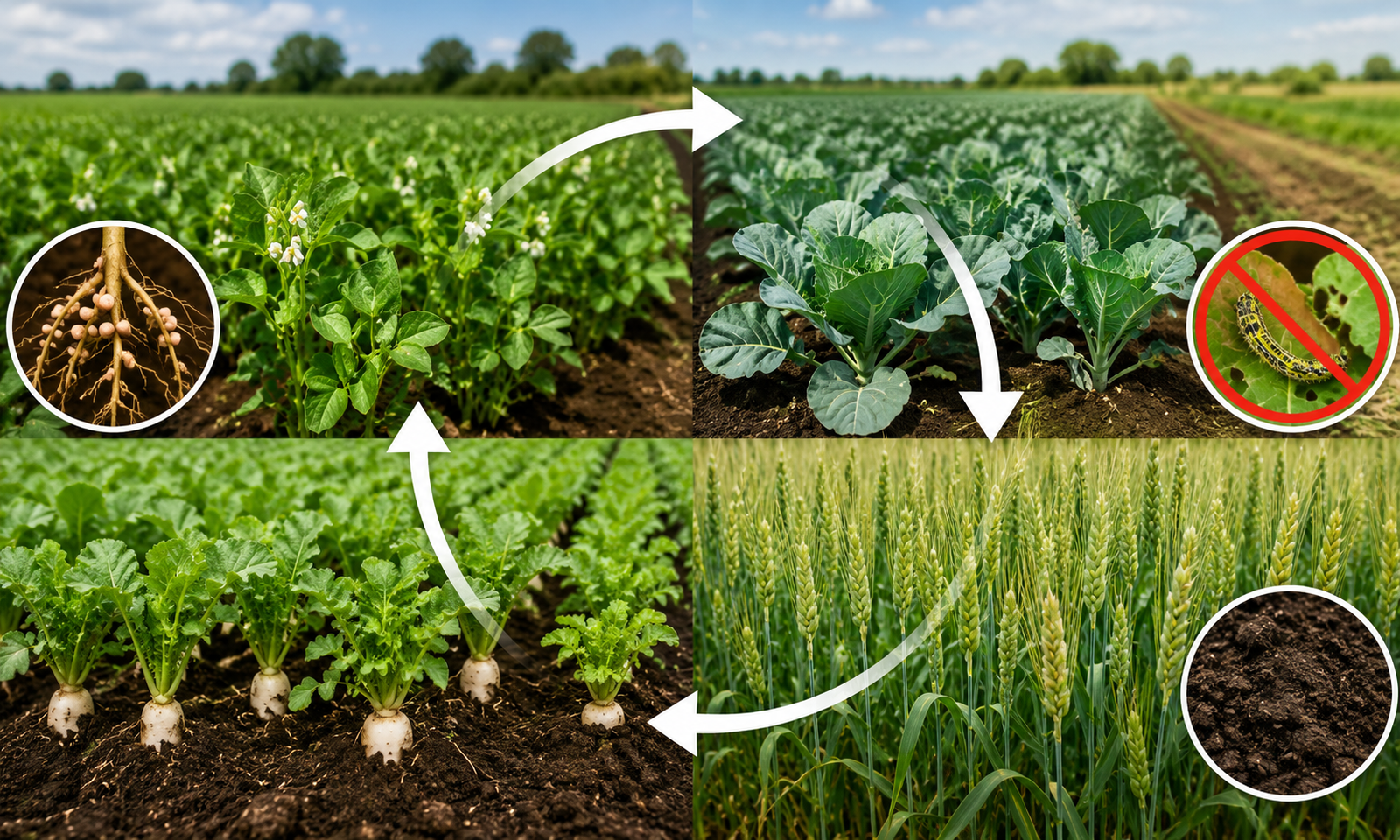
The successful selection of appropriate crops for greenhouse cultivation is critical to maximising the yield and profitability of the crop. Crop selection is determined by various considerations including market acceptance, growth phases, temperature tolerances and disease resistance. A closer look is given to the cultivation of crops with high market demands within an indoor environment, such as high value ones like tomatoes, cucumber, peppers, strawberries and leafy vegetables. Crop rotation and crop scheduling also confer long continuous production and do not allow depletion of soil nutrients.
Strategic planning can promote efficient use of space in the greenhouse and enable constant production throughout the year. This helps farmers to have a seasonal supply of crops all the year round as they grow their crops at different maturity periods. Also, varieties that are hybrid and disease resistant minimise crop loss and boost productivity. Planning in planting, which involves careful consideration of the type of crop to be planted especially at the right time during the planting seasons will cushion farmers from the effects of the erratic nature of the market for their crops.
5. Control insects and diseases through an integrated approach.
In greenhouse, pest and disease control is a need to be taken as a pro-activity and integrated approach for the prevention of spread of pest & disease in the controlled environment. Greenhouses are highly susceptible to pest infestation if suitable measures are not taken in a shorter period of time, as compared to an open field. Integrated Pest Management (IPM) integrates biological control, cultural techniques and limited chemical applications to keep crops healthy. Use of beneficial insects like ladybugs and predatory mites to control harmful pests through natural methods that lessen need for the use of synthetic pesticides.
Another important aspect of greenhouse pest management is sanitation. Diseases can accumulate through regular cleaning of the tools and removal of plant matter, as well as by the sterilization of growing media. Monitoring systems and sticky traps also are best suited for early detection of pest activity, before they get to be a problem. In addition, multiple interactions between pest management techniques help farmers to balance an eco-friendly greenhouse, safeguarding the crops from negative effects and create the basis for quality production.
6. Internet of Things (IoT) Devices and Solutions
In the adoption of new and improved technologies for greenhouse crop production, automation has been a game-changer, lowering cultivation labor needs and enhancing precision management technology. Smart monitoring uses IoT sensors and data analytics to monitor the physical conditions of the environment, including temperature, humidity, soil moisture, light intensity, and so on. This information enables farmers to make informed decisions and use mobile or computer-based applications to make remotely-detected adjustments to the conditions. Irrigation, ventilation, shading and fertilization systems can be automatic, and used with very little human interaction.
Through the use of automation, efficiency and operational costs are reduced and productivity is increased. It also allows troubles to be found before they develop, such as an environmental imbalance or failure of equipment, avoiding the loss of the crop. By using AI and predictive technologies, farmers can predict plant growth and grow more crops with the best conditions to maximize yields. Biodome’s technological integration allows for more precise, scalable, and greater long-term sustainability for greenhouses.
7. Maintaining and operating the system efficiently throughout the lifecycle.
To have a successful greenhouse operation, the right maintenance plan must be in place. Structural elements, irrigation systems and climate control equipment are all routinely checked on to ensure that these do not break, and cause additional and expensive repairs. Cleaning greenhouse coverings will ensure maximum light penetration and checking on greenhouse ventilation systems will keep proper ventilation flowing. An early deficiency identification through preventive maintenance schedules enables farmers to keep farming processes continuously without halt.
Another aspect of operational efficiency is the education and training of farm operators in adopting best practices in farming practices, such as crop handling, sanitation and equipment use. Planned efficient workflow decreases labour costs and increases productivity. Furthermore, keeping accurate records on the planting, application of inputs, and harvest results enable farmers to make informed decisions on subsequent farming production. A smoothly running green house system is well managed and can help in continuous long year production with high quality crops.
Conclusion
In essence, modern greenhouse cultivation is a big leap in agricultural productivity and allows farmers to exploit the advantages of growing crops throughout the year in the optimized and controlled environment of a greenhouse. Greenhouse growers can achieve unparalleled efficiencies and environmental sustainability through sophisticated building methods, high-tech environmental control systems, efficient irrigation systems, selecting target crops, integrated pest management, automation and routine facility maintenance. These methods not only enhance productivity but also minimize resource usage and environmental impact, a key aspect of contemporary agriculture in greenhouses.
With the ever-growing world food consumption, the introduction of novel farming approaches like greenhouse farming becomes valuable. The use of modern technologies and practices can help to enhance the profitability of farmers, ensure sustainable production, and help to address food security. Greenhouse farming is not a mere novelty, but a proactive approach that can boost sustainable agriculture and enable farmers to rise to a tougher climate environment.

I do trust all the ideas youve presented in your post They are really convincing and will definitely work Nonetheless the posts are too short for newbies May just you please lengthen them a bit from next time Thank you for the post
Hello Neat post Theres an issue together with your site in internet explorer would check this IE still is the marketplace chief and a large element of other folks will leave out your magnificent writing due to this problem