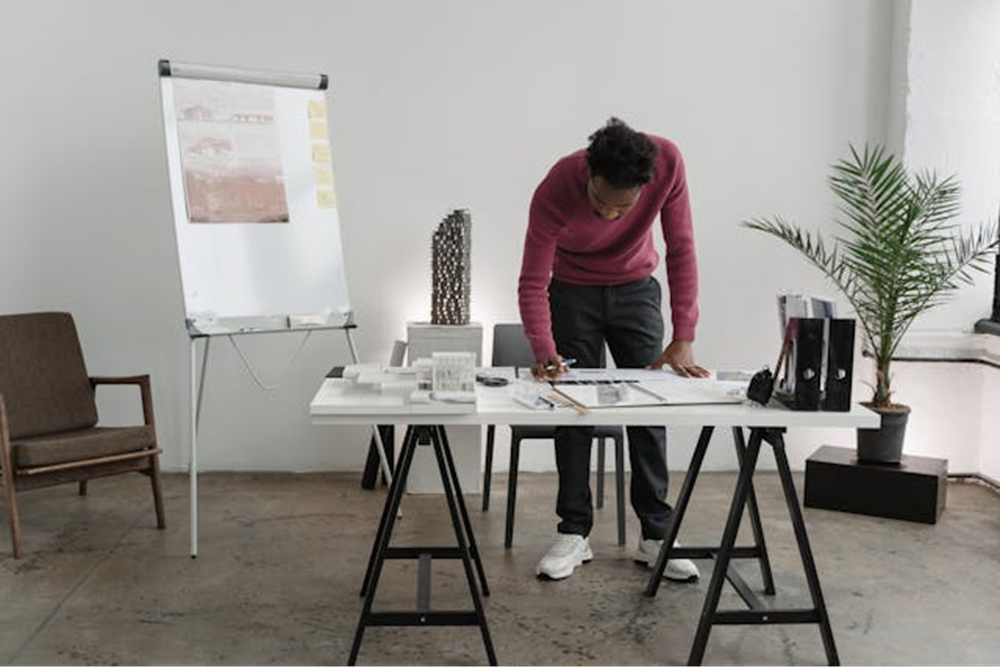
Image from Pexels
Contemporary architecture has undergone remarkable transformations over the past few decades, completely reshaping how we design, construct, and interact with our built environment. These advancements reflect not only technological progress but also evolving social values, environmental consciousness, and innovative thinking about space utilization. The architectural landscape today? It bears little resemblance to that of even twenty years ago, thanks to groundbreaking developments that have fundamentally altered the industry. From cutting-edge materials to revolutionary design software, the field continues to push boundaries and redefine what’s possible. What was once considered ambitious or even impossible has now become achievable, and in many cases, standard practice.
1. Integration of Advanced Digital Design Technologies
The architectural profession has experienced a digital revolution that’s fundamentally changed how designers conceptualize and execute their visions. Building Information Modeling, better known as BIM, has emerged as the industry standard, allowing architects to create detailed three-dimensional models packed with comprehensive data about every single building component. These sophisticated platforms enable real-time collaboration among architects, engineers, and construction professionals, dramatically reducing those costly errors and miscommunication issues that plagued traditional design processes. Parametric design tools have empowered architects to explore complex geometries and organic forms that would’ve been nearly impossible to visualize or construct using conventional methods.
2. Sustainable and Eco-Conscious Design Practices
Environmental sustainability has evolved from a niche consideration to a fundamental principle driving contemporary architectural design. Modern buildings increasingly incorporate passive design strategies that minimize energy consumption through thoughtful orientation, natural ventilation, and strategic use of thermal mass. Green building certification systems have established measurable standards for sustainable construction, encouraging architects to prioritize energy efficiency, water conservation, and material selection throughout the design process. Contemporary architecture now routinely features living walls, green roofs, and integrated landscape systems that blur the boundaries between building and nature while providing tangible environmental benefits.
3. Revolutionary Material Science and Fabrication Methods
Material innovation has opened unprecedented possibilities for architectural expression and structural performance. Advanced composites, high-performance concrete mixtures, and engineered timber products provide architects with options that combine exceptional strength with reduced environmental impact and enhanced aesthetic possibilities. Precision fabrication technologies enable the creation of complex building components with tolerances measured in millimeters, allowing for intricate designs that would have been prohibitively expensive or technically unfeasible just decades ago. When designing complex facades and structural elements, professionals who need to integrate custom metalwork rely on architectural metal fabrication to achieve both aesthetic vision and structural integrity. Translucent concrete, self-healing materials, and adaptive building skins represent just a fraction of the material innovations transforming contemporary construction. Mass timber construction has emerged as a viable alternative to steel and concrete for mid-rise and even high-rise buildings, offering superior sustainability credentials and warm aesthetic qualities. The ability to custom-fabricate building components using computer-controlled machinery has democratized access to sophisticated design elements while reducing waste and construction time significantly. What was once reserved for marquee projects with unlimited budgets is now accessible to a much broader range of developments.
4. Emphasis on Adaptive Reuse and Urban Regeneration
Contemporary architecture has embraced the challenge of reimagining existing structures rather than defaulting to demolition and new construction. This shift reflects both environmental consciousness and appreciation for architectural heritage, as designers find creative ways to preserve embodied energy while meeting modern functional requirements. Adaptive reuse projects have transformed obsolete industrial facilities, historic warehouses, and aging commercial buildings into vibrant mixed-use developments, residential spaces, and cultural institutions. This approach honors the architectural character of existing structures while introducing contemporary interventions that create dynamic dialogues between old and new. A conversation between past and present that enriches both.
5. Smart Building Systems and Responsive Architecture
The integration of intelligent building systems has transformed structures from passive containers into responsive environments that adapt to occupant needs and environmental conditions. Automated building management systems optimize energy consumption, air quality, and lighting based on real-time data about occupancy, weather conditions, and user preferences. Sensor networks embedded throughout contemporary buildings collect information that enables continuous performance optimization and predictive maintenance, reducing operational costs, and extending building lifespans. Responsive facades adjust their transparency, ventilation, and shading characteristics throughout the day to maximize occupant comfort while minimizing energy consumption.
Conclusion
The advancement of contemporary architecture represents a confluence of technological innovation, environmental imperative, and evolving design philosophy that’s fundamentally reshaped in the built environment. These five areas of progress demonstrate how the profession has matured beyond purely aesthetic considerations to embrace holistic approaches that balance functionality, sustainability, and human experience. As digital tools become more sophisticated, materials continue to evolve, and environmental challenges intensify; contemporary architecture will undoubtedly continue adapting and advancing. The buildings we create today reflect not only our technical capabilities but also our values and aspirations for a more sustainable, efficient, and human-centered built environment.