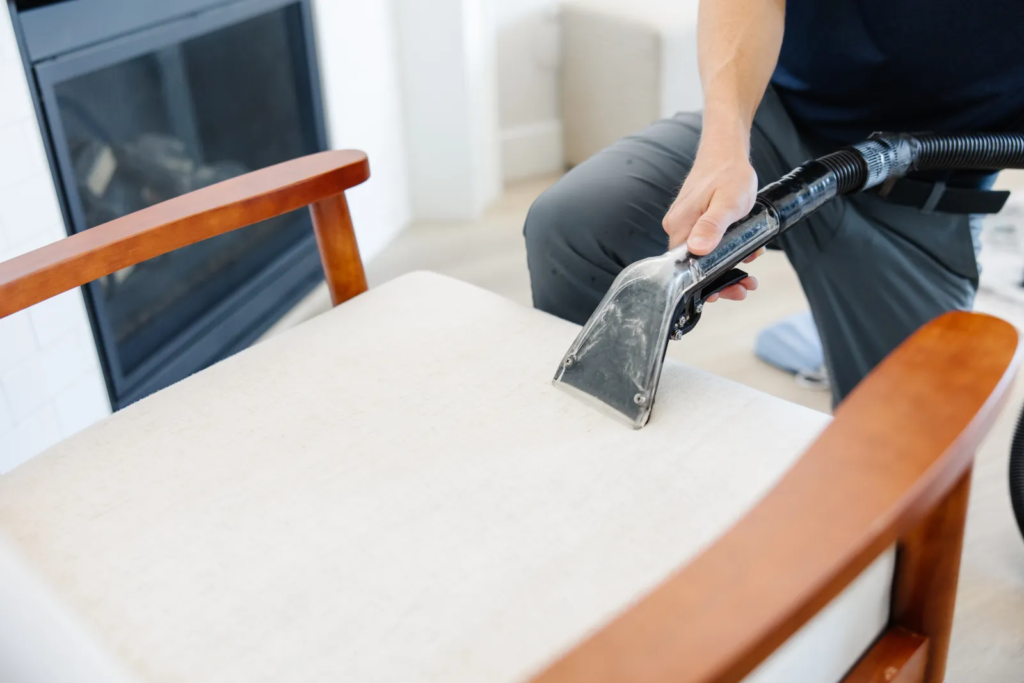
Professional upholstery cleaning often delivers better results than people expect because fabric furniture can hold more than just visible dirt. Sofas, armchairs, dining chairs, and office seating can trap dust, skin cells, pet dander, pollen, food residue, body oils, and odours deep within their fibres.
Regular vacuuming helps, but it usually removes only loose surface debris. A professional clean reaches deeper into the fabric structure, helping restore appearance, reduce trapped contaminants and keep furniture usable for longer.
For households and businesses comparing options for upholstery cleaning Bankstown, the value is not only cosmetic. Clean upholstery can support a fresher indoor environment, better fabric care and more hygienic everyday use.
Upholstery Traps Contaminants Below the Surface
Upholstered furniture can trap airborne particles in much the same way a filter captures contaminants. Airborne dust, pollen, pet dander and other particles settle onto the fabric, while daily use pushes them deeper into seams, cushions and fibres.
The United States Environmental Protection Agency identifies dust mites, pollen, pet allergens, mould and bacteria as common biological contaminants found indoors. Soft furnishings can hold some of these particles because fabric is porous and textured.
This explains why furniture can look acceptable from a distance but still feel dull, smell stale or release dust when cushions are moved. The contamination often remains hidden within the upholstery rather than sitting on the surface.
Homes with children and pets usually experience faster accumulation. Food spills, pet hair and everyday use all contribute to the build-up. In offices, shared seating can collect body oils, dust and residue from continuous use. Professional upholstery cleaning in Bankstown focuses on extracting this embedded material rather than treating only what is visible.
Why Upholstery Cleaning Bankstown Services Can Produce Visible Results
The reason upholstery cleaning Bankstown services can create a noticeable change is simple: soil changes how fabric reflects light. Fine dust, oils and residue form a film across fibres, making colours look flatter and darker over time.
The result can be especially noticeable on lighter lounges, dining chairs, fabric bedheads and office seating. Heavy soiling can make furniture appear older than it actually is.
A trained cleaner will also assess the material before cleaning. Cotton blends, microfibre, linen, wool, velvet and synthetic fabrics do not all respond the same way to moisture, agitation or heat. Matching the cleaning method to the material helps reduce the risk of shrinkage, watermarks, colour bleeding, or texture damage.
For this reason, homeowners looking for professional upholstery cleaning in Bankstown often benefit from a service that considers fabric type, stain history and overall condition before cleaning begins.
Cleaner Upholstery Supports Better Indoor Hygiene
Indoor air quality is affected by what collects inside the home, not only what enters from outside. Dust, allergens, and biological contaminants can accumulate in soft furnishings, especially when fabric is used daily.
Upholstered furniture is used at close range for extended periods. Unlike flooring, which is primarily walked on, sofas and chairs put people in direct contact with the fabric. This increases exposure to any dust, pet dander or residues that remain within the material.
Professional cleaning helps remove some of the contaminants stored in the upholstery. It does not replace ventilation, routine cleaning, or medical allergy management, but it can reduce the amount of debris retained in soft furnishings.
This can be particularly beneficial in homes with pets, young children or people sensitive to dust. Cleaner upholstery may also help reduce stale odours caused by food residue, sweat, spills and pet contact.
Dust Mites And Allergens Need Practical Control
Dust mites are one reason upholstery cleaning matters. Better Health Channel Victoria explains that dust mites feed on shed skin cells and can live in soft furnishings, including upholstered furniture.
The National Asthma Council Australia recommends vacuuming carpets and soft furnishings weekly with a HEPA-filter vacuum cleaner where possible. This recommendation reflects the role that soft surfaces can play in retaining dust and allergen particles.
Professional upholstery cleaning does not permanently eliminate allergens. New dust and skin cells continually enter indoor environments. However, deep extraction can remove accumulated material that routine vacuuming may not fully address.
For households where allergies are an ongoing concern, upholstery cleaning forms part of a broader approach that includes regular cleaning, effective vacuuming and good ventilation practices.
Stains Often Need More Than Store-Bought Products
Spills become harder to treat when they move below the fabric surface. Coffee, wine, soft drinks, sauces, pet accidents and body oils can bind with fibres or leave residue within the cushioning.
General stain sprays may temporarily improve appearance, but they can also cause problems if used incorrectly. Excess moisture can spread a stain, while strong chemicals may affect colour or leave residues behind.
Professional stain treatment begins with identifying the likely cause of the stain and assessing the upholstery material. Protein-based stains, oily marks and tannin stains usually require different treatment methods.
Not every stain can be completely removed, particularly if it has permanently affected the dye or fibre structure. However, professional treatment often improves the appearance of stains while helping minimise the risk of further damage during the cleaning process.
Regular Cleaning Helps Furniture Last Longer
Fabric wear is not caused only by age. Embedded soil also contributes to deterioration. Fine grit and dust can act like abrasive particles inside the fibres. Each time someone sits down or moves across the upholstery, those particles create friction.
Over months and years, this friction can make fabric appear thin, dull or rough. Removing embedded dirt helps reduce this abrasive effect and supports better long-term fabric condition.
Regular upholstery cleaning can help preserve:
- Fabric colour and texture
- Cushion freshness
- Odour control
- Overall presentation
- Everyday comfort
For rental properties, shared homes and commercial spaces, maintaining upholstery can also help preserve the appearance of furnished areas between tenants, occupants or visitors.
Professional Cleaning Is Different From Routine Maintenance
Routine care still matters. Vacuuming upholstery, rotating cushions, addressing spills promptly and reducing unnecessary wear all contribute to better furniture maintenance.
Professional cleaning begins with identifying the upholstery material and its cleaning requirements. Technicians then select appropriate cleaning agents, moisture levels and extraction methods for the fabric. This process helps achieve consistent results while reducing the risk of overwetting, residue build-up or fabric damage.
The combination of fabric assessment, specialised equipment and controlled cleaning methods allows for a level of cleaning that routine household maintenance is not designed to provide.
Upholstery Cleaning Bankstown Helps Restore Everyday Comfort
The biggest benefit of upholstery cleaning Bankstown is that it restores furniture that people use every day. A clean sofa feels fresher. Dining chairs look more presentable. Office seating becomes more hygienic for staff and visitors.
Cleaner upholstery contributes to a fresher appearance, improved comfort and better day-to-day hygiene. These benefits are often noticeable immediately after cleaning, particularly on furniture that receives regular use.
Professional upholstery cleaning gives fabric furniture a deeper reset. It supports cleaner indoor spaces, improves appearance and helps extend the useful life of lounges, chairs and other upholstered items.
For homes and businesses, upholstery cleaning Bankstown is a practical maintenance step that helps protect furniture, support indoor cleanliness and maintain comfort throughout the life of the upholstery.