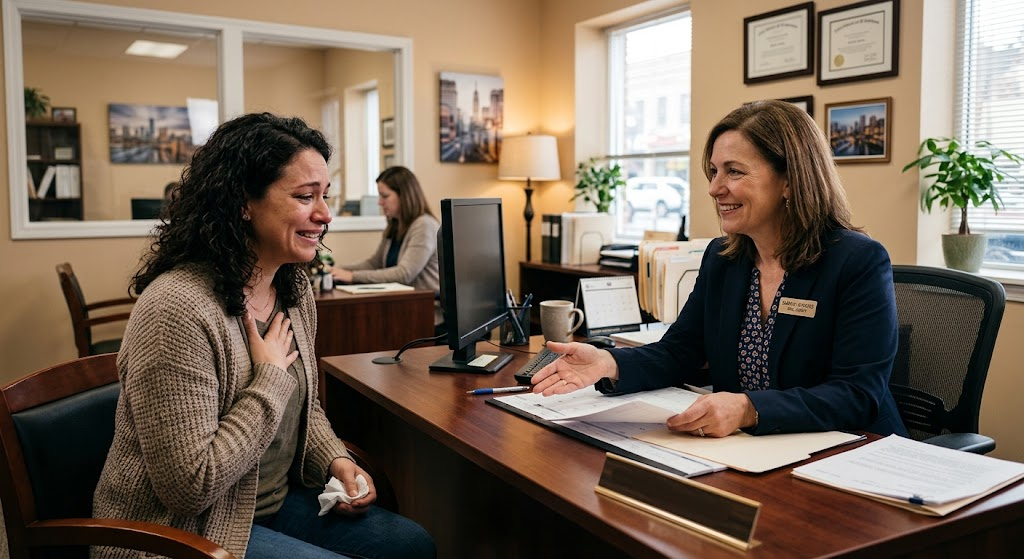
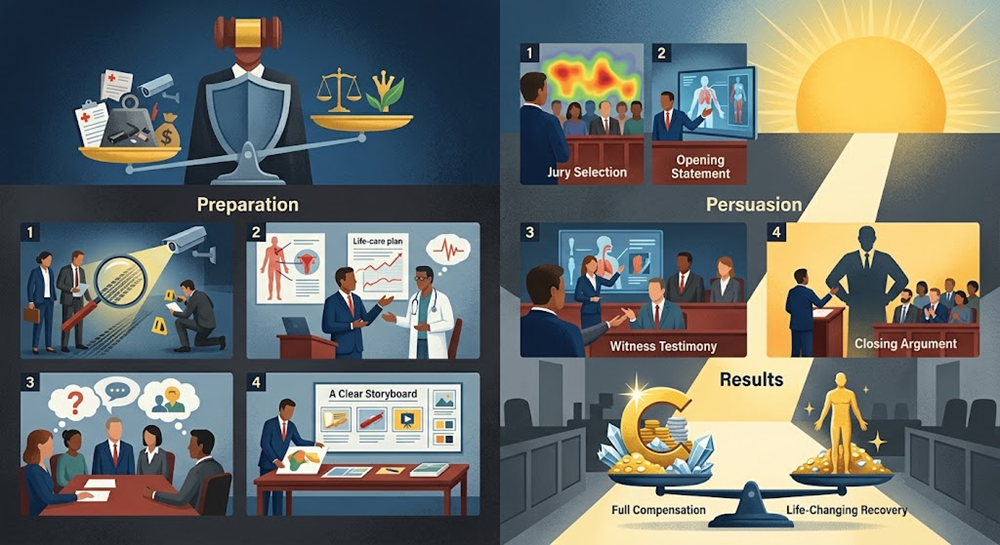
A serious injury claim often begins with pain, uncertainty, and scattered medical notes. The key question is usually clinical before it becomes legal: what condition caused the symptoms, and how did the event change the body? Skilled medical review helps connect complaints, exams, imaging, and treatment plans. That guidance gives decision-makers a sharper view of injury severity, recovery limits, and future care needs.
Medical Review Adds Context
After a crash, fall, or workplace injury, symptoms may surface unevenly. Neck stiffness, headaches, numbness, and sleep disruption can appear after the first visit. Fresno personal injury lawyers at FHV Law may rely on clinical insight to compare records, imaging, referrals, medication history, and symptom timing, so the claim reflects medical facts rather than assumptions or fragmented notes.
Better Questions Improve Findings
Good diagnosis starts with precise questions. A headache after impact may suggest cervical strain, nerve irritation, concussion, or medication effects. Disc changes, joint inflammation, muscle guarding, or radiating nerve symptoms may be involved in low back pain. Each explanation requires different proof. Medical experts help legal teams ask the right questions before key details get missed.
Records Need Translation
Medical records are written for clinicians, not claims reviewers. A short chart note may contain findings that carry major functional meaning. Reduced grip strength, altered gait, or positive nerve tension tests can change the case picture. Expert review turns technical entries into plain clinical significance while separating confirmed findings from possible impressions.
Timelines Show Causation
Causation often depends on sequence. Symptoms, urgent care visits, imaging dates, therapy referrals, work restrictions, and specialist opinions should be read together. Medical experts can test whether the pattern fits a traumatic injury. When timing is consistent, the file explains why a condition followed an event instead of appearing unrelated.
Gaps Need Fair Review
A break in care does not always mean healing. Missed appointments may reflect lack of transport, insurance delays, childcare issues, or specialist waitlists. Some patients also try to work through pain before symptoms worsen. Medical experts can explain whether delayed treatment affected findings, prognosis, or diagnostic confidence.
Prior Conditions Need Clarity
Prior conditions require careful comparison, not broad dismissal. Degenerative disc changes, old fractures, arthritis, or earlier pain complaints may exist before an incident. Experts can review past records beside current exams and scans. Fresh weakness, new radiating pain, or reduced function may show aggravation, even when baseline findings were already present.
Imaging Tells One Part
Imaging can be powerful, yet scans do not measure every injury. Magnetic resonance images, radiographs, and computed tomography studies show structure, not a lived limitation. Pain patterns, reflex changes, swelling, range loss, and endurance also matter. Medical experts connect scan findings with physical exams, making the diagnosis more complete.
Specialists Strengthen Proof
Different injuries call for different clinical voices. Orthopedic physicians may explain fractures, ligament damage, or surgical options. Neurologists can address concussion signs, nerve injury, or persistent headaches. Physical therapists document movement limits and treatment response. Radiologists interpret imaging details that others may overlook. Together, those views strengthen diagnostic accuracy.
Functional Loss Matters
A diagnosis should describe how the injury changes daily life. Can the person lift groceries, sit through work, drive safely, sleep through pain, or care for family? Medical experts connect limitations to documented findings. That link helps decision-makers see harm as lived impairment, not just a billing code.
Future Care Needs Evidence
Future treatment requires more than a rough estimate. Therapy duration, injections, medication monitoring, surgery, assistive devices, and follow-up visits need clinical support. Medical experts can explain why a care path is reasonable given symptoms, response, and objective findings. Their opinions help turn projected costs into evidence-based planning.
Claims Become More Credible
A well-supported diagnosis makes an injury file easier to evaluate. Insurers can follow the clinical reasoning, treatment course, and expected outcome. Defense arguments lose force when records are organized and medically explained. Clear expert input does not promise a result, but it can reduce confusion and strengthen the claim’s factual foundation.
Conclusion
An injury team becomes stronger when medical experts help interpret symptoms, timing, records, and future care. Their work gives scattered notes a coherent clinical shape and explains how trauma affects movement, pain, work, and family life. For injured people, stronger diagnoses can protect claim value and give insurers, judges, and opposing counsel a fairer picture of what recovery truly requires.