Rice is an essential ingredient in nearly every UAE kitchen. Whether you are preparing biryani, mandi, kabsa, or everyday meals, choosing the right type of basmati rice can make a huge difference in taste, texture, nutrition, and cooking performance.
Many shoppers struggle to decide between white basmati, brown basmati, and golden sella rice. Each variety has unique benefits and is suited for different cooking styles and health goals.
In this guide, we break down the white basmati vs brown basmati UAE debate and explain the sella basmati rice difference to help you choose the right rice for your home.
Understanding the Three Main Types of Basmati Rice
White Basmati Rice
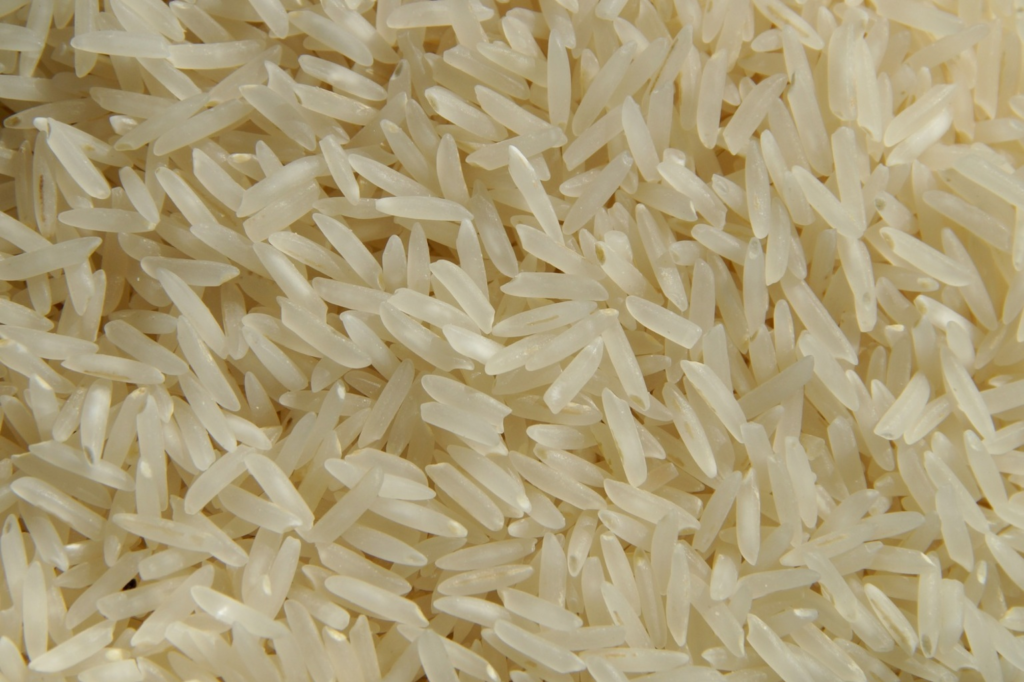
White basmati rice is the most commonly consumed variety in the UAE. During processing, the outer bran and germ layers are removed, resulting in soft, white grains with a delicate aroma.
Key Characteristics
- Long and slender grains
- Soft and fluffy texture
- Distinctive aroma
- Quick cooking time
- Popular for everyday meals
Best Uses
- Chicken biryani
- Kabsa
- Fried rice
- Daily family meals
Advantages
- Easy and fast to cook
- Soft texture preferred by many families
- Excellent aroma
- Works well with most Middle Eastern and Asian dishes
Limitations
- Lower in fiber than brown rice
- Contains fewer natural nutrients due to milling
Brown Basmati Rice
Brown basmati rice is a whole grain because it retains its bran layer. This makes it richer in fiber, vitamins, and minerals than white basmati rice.
Key Characteristics
- Nutty flavor
- Chewier texture
- Higher fiber content
- Greater nutritional value
Best Uses
- Healthy meal plans
- Weight management diets
- Fitness-focused diets
- Diabetic-friendly eating plans
Advantages
- Rich in fiber and micronutrients
- Helps improve satiety
- Supports digestive health
- May promote steadier blood sugar levels than regular white rice
Limitations
- Longer cooking time
- Firmer texture
- Less suitable for some traditional rice dishes
Studies indicate that brown basmati generally has a lower glycemic response than white rice because of its higher fiber content.
Golden Sella Basmati Rice
Golden sella basmati rice is parboiled before milling. During this process, rice is soaked, steamed, and dried before the outer layer is removed.
This process gives the rice its signature golden color and helps preserve certain nutrients that would otherwise be lost during milling.
Key Characteristics
- Golden appearance
- Extra-long grains
- Excellent grain separation
- Firmer texture after cooking
Best Uses
- Biryani
- Mandi
- Catering and restaurant cooking
- Large family gatherings
Advantages
- Exceptional grain elongation
- Non-sticky texture
- Better nutrient retention than standard white rice
- Lower glycemic response than many regular white rice varieties
Limitations
- Slightly longer cooking time
- Firmer texture than white basmati
Parboiling moves some nutrients from the outer layers into the grain and often lowers the glycemic response of rice.
White Basmati vs Brown Basmati UAE: Complete Comparison
| Feature | White Basmati | Brown Basmati | Golden Sella Basmati |
| Processing | Fully milled | Whole grain | Parboiled and milled |
| Fiber | Low | High | Moderate |
| Texture | Soft | Chewy | Firm and fluffy |
| Cooking Time | Fast | Long | Medium |
| Nutritional Value | Moderate | High | Moderate to High |
| Grain Separation | Good | Moderate | Excellent |
| Best For | Daily meals | Healthy diets | Biryani and mandi |
Sella Basmati Rice Difference Explained
Many UAE consumers ask about the sella basmati rice difference.
The main distinction lies in processing.
White Basmati Rice
- Directly milled after harvesting
- Softer and more delicate texture
- Faster cooking
Golden Sella Basmati Rice
- Soaked and steamed before milling
- Firmer grains
- Better grain separation
- More forgiving during cooking
- Better nutrient retention than regular white rice
Because of these qualities, many restaurants and catering companies in the UAE prefer golden sella basmati rice for premium biryani and mandi dishes.
Which Basmati Rice Is Healthiest?
A common question among health-conscious consumers is: Which basmati rice is healthiest?
The answer depends on your goals.
For Maximum Nutrition
Brown basmati rice is generally the healthiest option because it contains more fiber, vitamins, minerals, and antioxidants.
For Better Blood Sugar Management
Parboiled golden sella basmati often has a lower glycemic index than regular white rice, making it an excellent option for people looking for a more balanced carbohydrate choice.
For Easy Digestion
White basmati rice is easier to digest and may be suitable for children, older adults, and people with sensitive digestion.
Research shows that basmati rice varieties usually have a lower glycemic index than many other rice types, making them a better choice for blood sugar management compared with standard white rice.
Basmati Rice Comparison UAE: Which One Should You Choose?
Choose White Basmati Rice If:
- You cook rice every day.
- You prefer a soft texture.
- You want quick preparation.
Choose Brown Basmati Rice If:
- Your priority is nutrition and fiber.
- You are following a healthy lifestyle.
- You want a whole-grain option.
Choose Golden Sella Rice If:
- You regularly prepare biryani or mandi.
- You need excellent grain separation.
- You want restaurant-style rice at home.
Which Rice Is Most Popular in the UAE?
Consumer preferences in the UAE generally vary by usage:
- White basmati remains the most popular everyday rice.
- Golden sella basmati is widely used in restaurants and hospitality because the grains stay separate after cooking.
- Brown basmati continues to gain popularity among health-conscious consumers looking for whole-grain alternatives.
There is no single winner in the white basmati vs brown basmati UAE debate because every type of rice serves a different purpose.
Choose White Basmati Rice if you want soft, aromatic rice for daily meals.
Choose Brown Basmati Rice if health, fiber, and nutrition are your priorities.
Choose Golden Sella Basmati Rice if you want restaurant-quality biryani, excellent grain separation, and a balance between nutrition and cooking performance.
For many UAE households, the ideal solution is keeping more than one variety at home. White basmati works perfectly for daily cooking, golden sella is excellent for special dishes, and brown basmati is ideal for healthy meal planning.
Understanding the sella basmati rice difference and comparing the nutritional benefits of each option will help you select the perfect rice for your family’s needs.