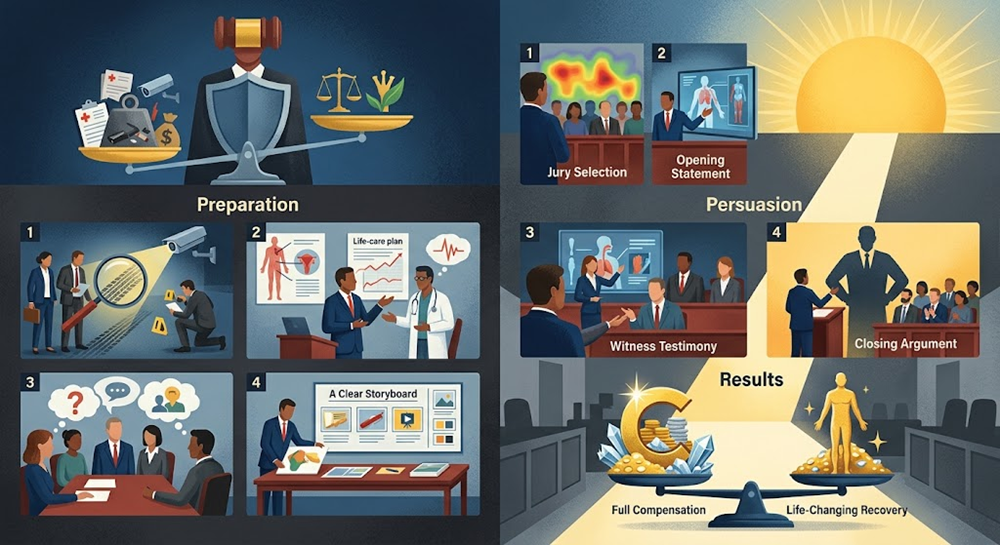
An injury claim becomes harder when fault is disputed, medical records conflict, or several parties share responsibility. Insurance carriers examine every detail, including treatment gaps, prior conditions, lost income, and statements made after the incident. A claimant who reacts without a clear plan can weaken evidence before negotiations begin. Careful preparation brings the facts into focus and gives each decision a defined purpose. The first step is identifying what makes the claim difficult.
A complicated claim often involves a serious injury, uncertain liability, or a dispute over damages. Local counsel familiar with personal injury litigation can review the incident, identify missing proof, and explain the next procedural step. For injured people in Long Island, Charlie Therman Injury and Accident Lawyers can provide a starting point for evaluating the claim, preserving records, and preparing for communication with insurers.
Why Do Claims Become Complicated?
Fault disputes often arise when witnesses describe the incident differently. A collision can involve several drivers, unclear traffic signals, poor road conditions, or conflicting photographs. Each fact affects how an insurer assigns responsibility.
Medical issues create another source of disagreement. An insurer can question whether the incident caused every reported symptom, especially when a person had an earlier injury. Consistent treatment records help connect the event, diagnosis, treatment plan, and recovery period. Damages also require careful documentation. Medical bills reflect past costs, but a claim can also include future treatment, reduced earning capacity, rehabilitation, and household assistance. Each category needs records that explain the amount and the reason for the expense.
Build Evidence Before Negotiation
Evidence should be collected while details remain available. Photographs can show vehicle damage, unsafe property conditions, visible injuries, clothing, weather, lighting, and nearby signs. Names and contact information from witnesses can preserve testimony that later becomes difficult to obtain.
Medical records should tell a consistent story. A claimant should describe symptoms accurately, attend scheduled appointments, and follow the treatment plan. Missed visits or unexplained gaps give an insurer grounds to question the seriousness of the injury.
Employment records also support lost-income claims. Pay stubs, schedules, tax documents, and employer statements can show missed work and reduced earnings. A written record of job restrictions connects medical limitations with financial losses.
Separate Injury Costs From Liability
A claim requires two clear arguments: that another party caused the incident and that the incident caused measurable losses. Combining those arguments into one vague account makes the claim harder to evaluate.
Liability evidence focuses on conduct and responsibility. It can include traffic reports, maintenance records, surveillance footage, workplace documents, inspection history, or witness testimony. The right evidence depends on where and how the injury occurred. Damages evidence focuses on consequences. Treatment records explain physical harm, while bills and employment documents show financial impact. Personal notes can track pain, limited activities, sleep disruption, and changes in daily routines.
Respond to Insurance Tactics
An insurance adjuster often seeks an early statement before the full medical picture develops. The claimant should understand the request, answer accurately, and avoid speculation. A rushed statement can create wording that conflicts with later records.
Early settlement proposals also require careful review. The amount should be compared with documented treatment, expected care, lost income, and other supported losses. Accepting payment can affect the ability to pursue additional compensation, so the claimant should understand the agreement before signing.
When Does Litigation Strategy Matter?
Some disputes cannot be resolved through documents alone. A lawsuit can require depositions, expert testimony, formal discovery, and detailed preparation for court proceedings. Each stage creates deadlines and decisions that affect the claim.
Litigation strategy starts with the evidence. Counsel must assess liability, medical causation, damages, available insurance, and the credibility of each witness. That assessment guides settlement discussions and determines which issues deserve courtroom attention. The claimant must also set realistic expectations. Legal proceedings take time, and the opposing side can challenge records, testimony, and future-loss calculations. Regular communication helps the claimant understand developments and make informed decisions.
Conclusion
A complicated injury claim needs organized evidence and disciplined decisions. The claimant should preserve photographs, medical records, employment documents, and written communications before details disappear. Treatment should continue as advised by medical professionals, while statements about the incident should remain accurate and limited to known facts. A practical next step is to gather the claim file and schedule a legal review. That review can identify missing proof, clarify available damages, and establish a strategy for negotiations or litigation.