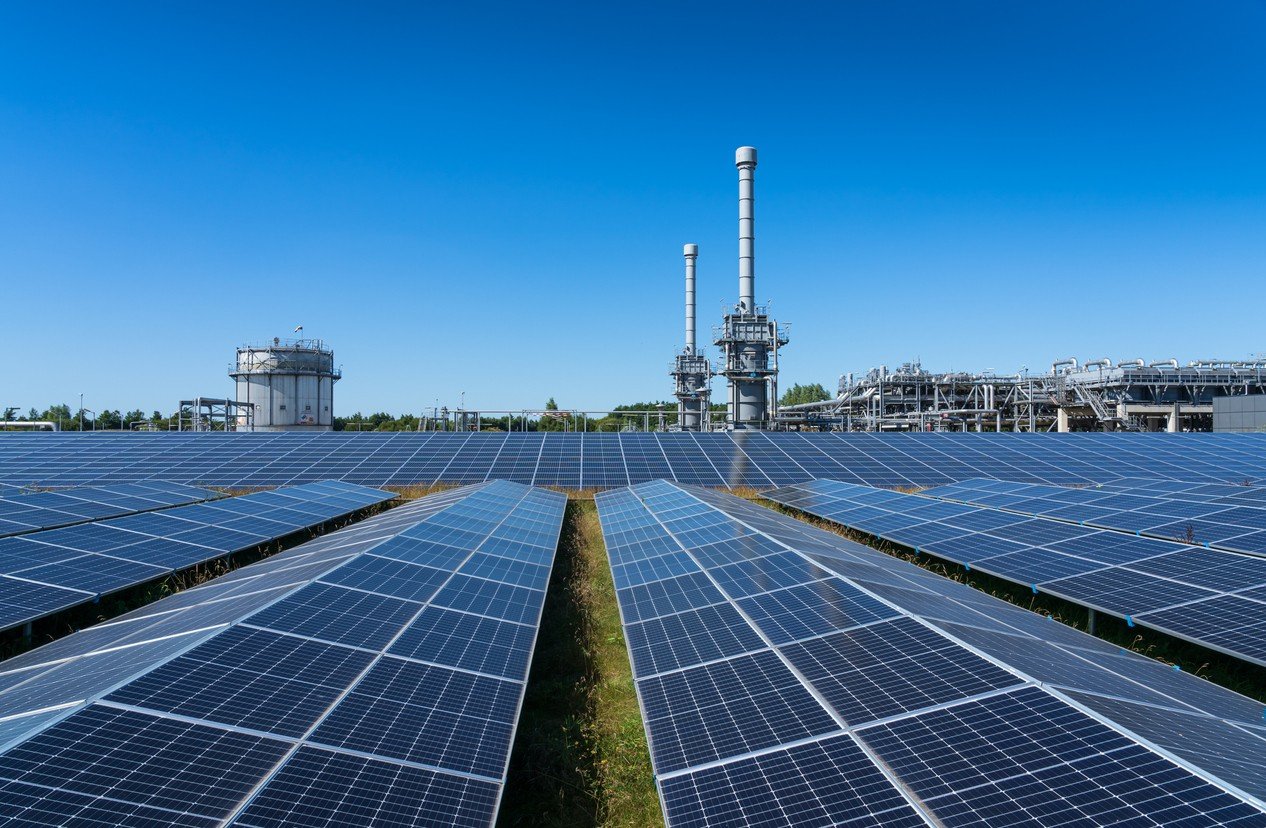
A dependable solar energy systems manufacturer should provide panels rated at 21 percent efficiency or higher, inverters with at least a 10 year warranty, and full system documentation covering degradation rates over 25 years. Buyers evaluating suppliers in 2026, whether for residential, commercial, or off grid installations, need to compare warranty terms and real world efficiency data rather than headline wattage figures alone.
Panel efficiency and degradation rate together determine long term output. A panel rated at 21 percent efficiency that degrades at 0.5 percent per year will still be producing over 87 percent of its original output after 25 years, while a cheaper panel degrading at 1 percent per year drops closer to 75 percent in the same period.
Comparing quotes from more than one solar energy systems manufacturer before signing a contract is standard practice among experienced installers, since panel and inverter warranties vary far more between suppliers than most buyers expect.
Component Warranties to Compare
Panel warranties should cover at least 25 years for performance and 10 to 12 years for product defects. Inverter warranties matter just as much, since inverters typically fail before panels do, and a 10 year inverter warranty is now the market standard in 2026.
- 25 year performance warranty on panels
- 10 year or longer inverter warranty
- Documented annual degradation rate under 0.6 percent
- Certified installation network in your region
Certifications and Testing Standards
Confirm panels carry IEC 61215 and IEC 61730 certification for design qualification and safety, and ask for third party test lab results rather than relying solely on the manufacturer’s own published figures.
Monitoring and System Support
A quality manufacturer provides a monitoring platform that tracks per panel output in real time, making it easier to catch underperforming panels early. Confirm the monitoring system remains supported for the full life of the warranty rather than being discontinued after a few years.
Calculating Real Return on Investment
System payback period depends on panel efficiency, local electricity rates, and degradation rate combined, so ask the manufacturer for a projected output curve over the full 25 year warranty period rather than relying only on year one production estimates. This gives a far more accurate picture of long term financial return.
Financing and incentive programs available in 2026 can shift the effective cost significantly, so confirm whether the manufacturer or installer assists with rebate paperwork and whether their equipment qualifies for regional incentive programs before comparing final system pricing across different suppliers.
Ask whether the manufacturer offers a production guarantee that compensates you if actual output falls short of the projected estimate, since this added protection is becoming more common among established solar suppliers in 2026.
Frequently Asked Questions
Does higher panel efficiency always mean lower long term cost?
Not always. A higher efficiency panel with a shorter warranty can cost more over its lifetime than a slightly less efficient panel with stronger warranty coverage.
Is a 10 year inverter warranty enough?
Yes for most residential systems, though commercial installations often benefit from extending inverter coverage to 15 or 20 years given higher daily cycling.