Paper bags have become a widely used packaging solution across many industries, offering a practical way to transport products while meeting changing consumer expectations. A paper bag company plays a key role in producing bags that serve retail stores, food businesses, e-commerce companies, and many other sectors.
As businesses continue to evaluate their packaging choices, paper bags remain a common option due to their versatility, durability, and ability to be customised for different uses.
What Does a Paper Bag Company Do?
A paper bag company specialises in the design, manufacture, and supply of paper-based packaging products. These businesses create a wide range of bags in different sizes, styles, and strengths to suit varying requirements.
Common products include:
Retail Paper Bags
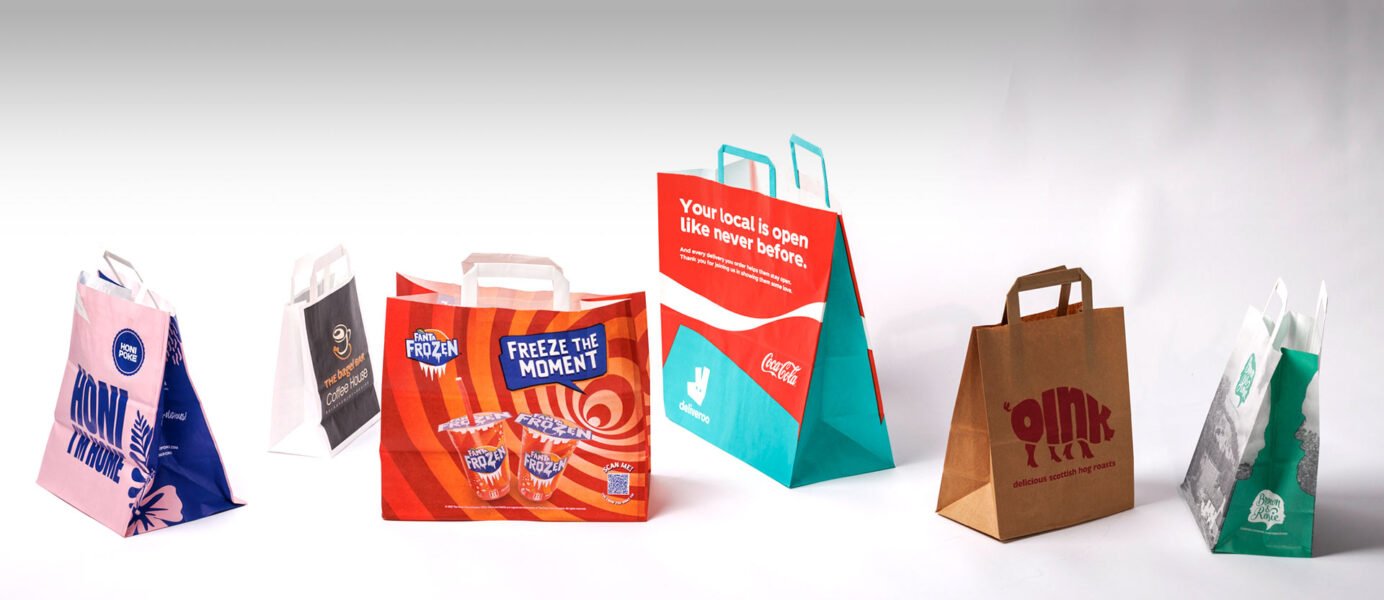
Retail paper bags are frequently used by clothing stores, gift shops, and supermarkets. They are available with flat handles, twisted handles, rope handles, or without handles depending on the intended application.
Food Packaging Bags
Food businesses often use paper bags for takeaway meals, bakery products, sandwiches, and groceries. These bags can be designed to help maintain product quality while providing a convenient carrying solution.
Industrial and Heavy-Duty Paper Bags
Certain industries require stronger paper packaging for bulk products, building materials, or agricultural goods. Multi-wall paper bags are commonly used for these applications due to their increased strength and load-bearing capabilities.
Materials Used in Paper Bag Manufacturing
The quality and performance of a paper bag depend largely on the materials used during production.
Kraft Paper
Kraft paper is one of the most common materials used by a paper bag company. It is known for its strength and durability, making it suitable for carrying a variety of products.
Recycled Paper
Many paper bags are produced using recycled fibres. This helps reduce the demand for virgin materials while giving existing paper products a new purpose.
Coated and Speciality Papers
Some applications require additional coatings or specialised finishes to improve moisture resistance, print quality, or overall appearance.
The Manufacturing Process
Producing paper bags involves several stages designed to ensure consistency and quality.
Paper Preparation
The process begins with selecting suitable paper grades based on the bag’s intended use. The paper is prepared and cut to the required specifications.
Printing and Branding
Many businesses choose to print logos, product information, or promotional designs onto their bags. Modern printing techniques allow for detailed graphics and a wide range of colour options.
Bag Formation
Machines fold, glue, and shape the paper into finished bags. Handles may be added during this stage if required.
Quality Control
Before distribution, finished bags undergo inspections to ensure they meet performance and manufacturing standards.
Industries That Use Paper Bags
Paper bags are used across a broad range of sectors.
Retail
Retailers use paper bags to package purchases and provide customers with a convenient carrying option.
Hospitality and Food Service
Restaurants, cafés, bakeries, and takeaway outlets often rely on paper packaging for food transport and delivery.
Grocery and Supermarkets
Many supermarkets use paper bags for groceries and fresh produce. Different bag sizes allow businesses to accommodate varying shopping needs.
E-commerce
Online retailers increasingly use paper-based packaging solutions as part of their shipping and fulfilment operations.
Customisation Options
A paper bag company can provide a variety of customisation options to meet specific business requirements.
Size and Shape
Bags can be manufactured in different dimensions to suit everything from small gifts to larger retail purchases.
Handle Types
Businesses can choose from several handle styles depending on the desired appearance and functionality.
Printing and Design
Custom graphics, logos, and messaging can be incorporated into the bag design, allowing businesses to maintain consistent branding.
Finishes
Various finishes can be applied to create different visual effects and improve durability where necessary.
Factors That Influence Paper Bag Selection
Choosing the right paper bag involves considering several practical factors.
Weight Capacity
The bag must be strong enough to support the intended contents without tearing or losing shape.
Product Type
Different products require different packaging characteristics. Food products, for example, may require grease-resistant or moisture-resistant properties.
Storage Requirements
Businesses should consider how bags will be stored and transported before use.
Branding Needs
The level of customisation required can influence material selection, printing methods, and overall design.
The Future of Paper Bag Manufacturing
The packaging industry continues to evolve as new technologies and production methods emerge. Paper bag manufacturers are continually developing new materials, improving production efficiency, and exploring innovative designs to meet changing market demands.
Advances in printing, automation, and material engineering are helping manufacturers produce paper bags that offer improved strength, functionality, and visual appeal. As businesses continue to assess their packaging requirements, the role of the paper bag company remains important in supplying practical and adaptable packaging solutions across multiple industries.
From retail and food service to industrial applications, paper bags continue to provide a reliable packaging option that supports a wide range of commercial uses. Their versatility, customisation potential, and broad industry adoption ensure they remain a significant part of modern packaging strategies.