Introduction
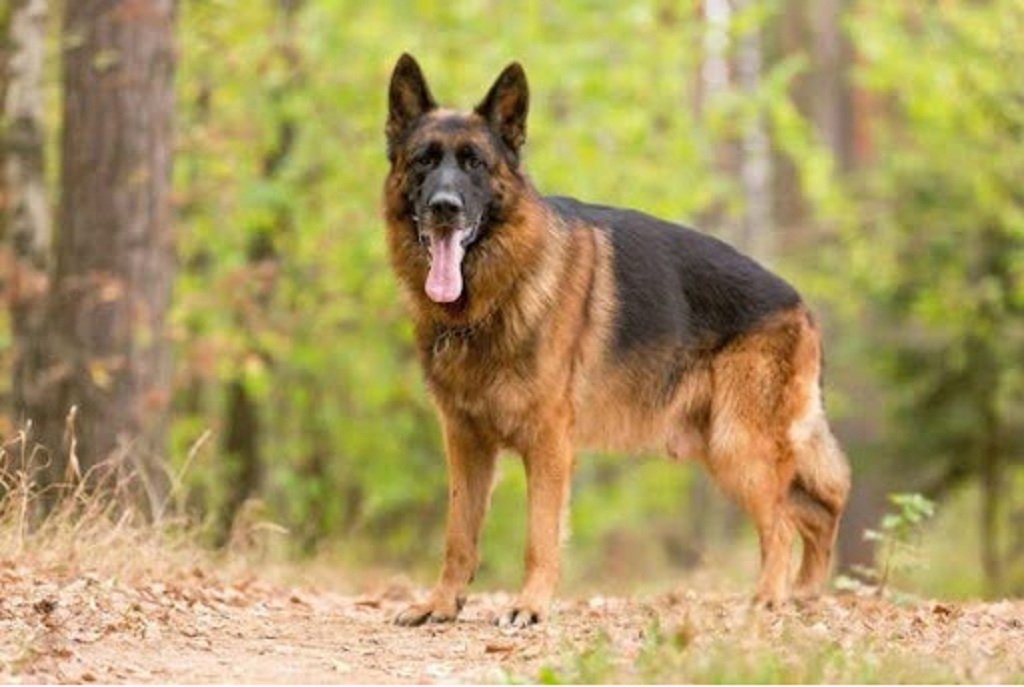
German Shepherds are skilled working dogs trained for multiple jobs, including military, service, and police. They have sharp abilities that are ideal for these jobs. However, you have to properly guide and train them to ensure they use their abilities well. If you start training these dogs at an early age, you can shape their temperament and behavior. To train German dogs, consistency, good fitness, and endurance are key. Also, healthy engagement with them prevents the onset of fear-based issues. Training them requires patience and effort. However, the result is a companion who is well-trained and fearless. If you have a German shepherd pup, here are a few ways to train and socialize your pup in Jaipur.
Tips for training German Shepherd pups in Jaipur
Tip 1: House Training
House training is the first lesson for new puppies. With supervision and being consistent, you can housetrain German Shepherd pups. Start with taking them out as soon as they wake up, after feeding and playing. Create a designated potty area. Also, let them get familiar with the area. A part of training is to not shout at the pup if there is an accident. Moreover, look for signs that the pup needs to go out, which can be turning or coughing. Consider enrolling your puppy in canine training classes offered by trainers like dog trainer Devendra Sharma, Jaipur Dog Trainer, or Virath Shepherds.
Get them familiar with the leash
Leash training socializes the puppies so they can walk slowly on the leash. Start indoors, using treats and praise to gently stir and pull in the right direction. Gradually change the lessons as distractions increase. Reward calm behavior; ignore the pull and don’t reinforce it. Always carry a sweet reward to reward when they follow your commands to enforce positive behavior.
Obedience Training
Start simple obedience training early. Use positive reinforcement techniques to teach commands like sit, come, sleep, and stay. Be patient and keep sessions short, as young puppies have a short attention span. Use treats and praise to reinforce desired behaviors. Also, make sure the pups release their energy through simple exercises or just a game of play and catch. Till the pups grow a bit older, focus on crate and house training. Moreover, be consistent with the training to see better results.
Help them socialize
Early exposure to new people, dogs, environments, and sounds builds confidence, helping them when they turn older too. Introduce vaccinated puppies to calm, friendly adults and well-socialized dogs. Ensure you avoid large groups till the pups are okay with socialization. As the pup continues to socialize well, you can reward them with grooming, riding, and walking.
Additionally, online resources such as the American Dog Club offer puppy training tips specific to German Shepherds. By creating a well-rounded life experience, the pups will grow up to be confident old dogs.
Prevention of inappropriate behavior
Nipping and jumping are common issues for puppies. Teach alternative behaviors, such as discarding toys for petting. Do not give in to their every request, and deal with disappointment. Start a youth class. Puppies naturally imitate others. With guidance, they will learn good manners and control their emotions.
Enrichment and Exercise
German Shepherds need more stimulation. Daily walks, sports, and training classes have positive effects on their mind and body. If the dog is tired, it will behave well! As they get older, challenging activities like runs, bring-ins, and other activities bring you together as a team. Marketing turns involuntary eating and energy into permissive pleasures.
Raising well-adjusted adults
Training takes dedication, but it is very rewarding. By patiently reinforcing good manners, your German Shepherd will become a trusting and obedient companion. Maintain a routine to avoid regrets. Your leadership and love create a strong bond of trust throughout puppyhood and into adulthood. You will soon appreciate the benefits of having a wonderful and trainable best friend by your side.
Positive experience and exposure to diverse environments
Make sure all socialization experiences are positive. Do not take them into a situation that is not easy for them to handle. Monitor their body language and comfort level to see how they are reacting to their environment. Take your German Shepherd dog to various places, such as parks, beaches, busy roads, and dog-friendly events. Moving around allows for better socialization opportunities.
Conclusion
Diligent training and socialization from an early age yield benefits for years to come. German Shepherds shine as dedicated companions when guided properly since their puppy stage. With consistency and positive methods, any dog enthusiast can gain a lifetime friend. Take the time to nurture and challenge your puppy to be a well-behaved partner.