The human nervous system is a complicated network of control of communication in the body. It controls movement, processes sensory data and helps in cognitive processes like memory, concentration and decision making. Such a system is crucial to the long-lasting neurological health but with a current lifestyle, the brain and nerves get prone to factors that may degrade their functions.
Among the effects of chronic stress and bad nutrition, addiction to substances and inability to sleep, among other environmental and lifestyle factors, neural efficiency can be affected. Such threats do not necessarily manifest themselves, but in the long-term, they may cause deterioration of cognitive performance, emotional instability, a higher risk of an abnormal state of the nervous system.
The first step of preventing such risks is to be aware of them. People can keep their nervous system safe and ensure long-term mental and physical wellness by recognizing the threats they are likely to face and implementing sensible measures to reduce their negative effects.
Neurological Health: Learning Neurology and Its significance
The normal functioning of the peripheral nerves, spinal cord, and brain can be termed as neurological health. These parts interrelate to process information, organize movement, and control body functions. Under the condition of the effective functioning of the nervous system, people become more attentive, their reactions become quicker, and their mood is more stable.
Long-term neurological well-being should be achieved by preserving neural pathways integrity and by the functioning of the neural pathways to attain proper communication between neurons. This is through proper nutrition, ample sleep and moderate mental and physical exercise.
In the case when these conditions are not provided, the nervous system is more liable to damages. With time, it may impact on cognitive and physical performance and this is the reason why addressing the threats at an early age is necessary.
Stress as a Chronic Condition and its effects on the nervous system
Chronic stress is one of the greatest risks of neurological well-being in the long term. Though short term stress might lead to alertness and improved performance, long term exposure may cause brain damage.
Stress hormones like cortisol are continuously released as a result of chronic stress. High cortisol levels may disrupt the neural communication, impair memory formation, and lower the effectiveness with which the brain can control the emotions. With time, this will deteriorate the linkages between neurons and impair cognition.
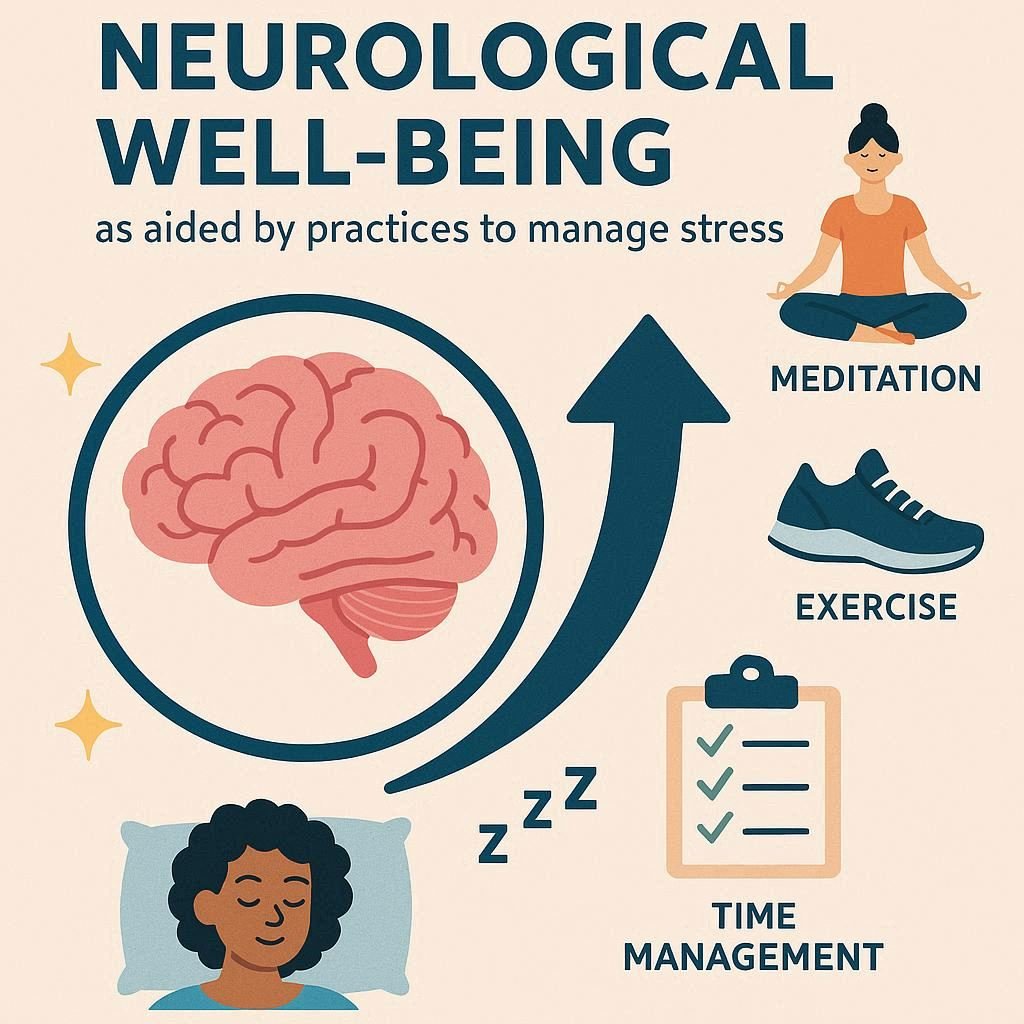
The autonomic nervous system is also influenced by the stress in that it maintains a vigilant state of the body. This diminishes the capacity to rest and recuperate which is critical in keeping the neural balance intact.
Stress management methods (mindfulness, exercise, relaxation, etc.) can be used to regain the balance and save the nervous system against prolonged damage.
Unhealthy Diet and Nutrition Deficiency
Diet is very important in promoting neurological health in the long term. The brain needs a defined quantity of nutrients to keep the neural functions active, generate neurotransmitters, and protect the brain against oxidative damages.
Diets that do not contain all the necessary nutrients have the potential to damage the functioning of the brain and undermine brain connections. Vitamin, mineral, and healthy fat deficiencies may limit the effectiveness of nerve signaling and predispose one to cognitive impairment.
Other causes of inflammation that are detrimental to the health of the brain include highly processed food, consuming a lot of sugar and unhealthy fats. This may cause the inability of communication among neurons with time, and loss of mental sharpness.
It is necessary to adopt a healthy diet with fruits, vegetables, whole grains, lean proteins, and healthy fats to ensure that the neural health remains healthy. Healthy nutrition helps the brain to perform its roles better, improve memory, and improve well being.
Drug addiction and Brain injury
Another significant factor posing a threat to the long-term neurological well-being is substance abuse. Normal brain functions may be disturbed by the use of harmful substances like alcohol, drugs and excessive stimulants.
These substances have the ability to change the amount of neurotransmitters, disrupt neural communication as well as destroying brain cells. This may cause altered judgment, lower cognitive functioning, and neurological issues in the long run.
An example of alcohol is capable of influencing memory and coordination as it slows down the processing of the neural system. In the same way, the use of drugs may either overstimulate or inhibit the functioning of the neural system resulting in an imbalance that impacts both the mental and the physical health.
The prevention or reduction of substance use is crucial to the preservation of the nervous system and brain performance at its best.
Sleep Deprivation: Its Effects
Sleep is an essential part of the long-term neurological health. The brain is capable of various processes that are crucial in memory consolidation, emotional control and repair of cells in case of sleep.
Sleep deprivation may slow down the cognitive ability, decrease the attention capacity, and become emotionally hyper-reactive. It also impacts the ability of the brain to process and store information thus resulting in reduced productivity and performance.

There are more severe consequences of chronic sleep deprivation, such as damages to neural connections and the possibility of developing neurological disorders. The brain cannot perform effectively without proper rest and becomes prone to stress and damage.
Consistent sleep and giving attention to sound sleep are essential measures in keeping the brain in great health.
Environmental Factors and Neurotoxins
Long term neurological well-being can also be affected by exposure to harmful substances through the environment. Toxic chemicals, heavy metals, and pollutants may disrupt the functioning of the brain and impair the brain cells.
These chemicals can find their way into the body by air, water or food and over a long period of time, it will impact the nervous system. Neurotoxins can alter neurotransmitter activity, and this is detrimental to cognitive functioning.

Reducing environmental exposure can be achieved by making good decisions which include safe household products, appropriate ventilation and clean and unprocessed food.
The environmental risks should be known to safeguard the nervous system and ensure good health.
Physical Inactivity Role
Exercise is also crucial to the long-term neurological health. Frequent physical activity enhances the circulation of blood to the brain providing it with oxygen and nutrients to keep the brain functioning.
Sedentary lifestyle, conversely, may decrease the circulation and decrease the availability of necessary resources to the brain. This may have an adverse impact on thinking and predispose to the development of neurological problems.

Exercises also encourage the release of chemicals which aid in growth of the neurons and also increases communications between the neurons. Exercises like walking, running, strength training will help in enhancing the health of the brain and mental clarity.
Effective measures to safeguard the brain
Long-term neurological health presupposes a preventive strategy that is concerned with various elements of lifestyle. Although the circumstances might be different in each case, there are some strategies that are always useful.
Relaxation techniques and a balanced routine are among the stress managing methods that can be used to avoid the adverse results of chronic stress. A healthy diet will provide the brain with nutrients that it requires to work efficiently.
The prevention of damaging substances and attachment to sleep is also beneficial to the neural health. Moreover, exercises and reducing environmental toxins are part of the overall well-being.
With these strategies combined, people will be able to establish a sustainable neurological well-being and resilience.
The Long-Term Benefits of Prevention
Prevention is a key area of concern in the realization of long-term neurological health. Through prevention of possible threats in the initial stages, people will be able to minimize the possibility of cognitive loss and neurological diseases.
Good habits, which shield the nervous system, also promote better living conditions. Matters such as enhanced concentration, clarity in memory, and heightened emotional stability are only but a few of the consequences of having a healthy brain.
These exercises have long-term effects of building up neural connections and developing a better brain adaptability. This enables them to do well in personal and professional life.
Conclusion
The nervous system is extremely vital in the control and coordination of the body functions and therefore its health is the priority. Nevertheless, other lifestyle and environmental conditions may be the major threats to its appropriate functioning.
Neural impairment and cognitive decline can be caused by chronic stress, unhealthy diet, drugs and alcohol, sleep deprivation, and exposure to the environment. It is important to be aware of these risks so as to prevent them.
Nursing the nervous system and ensuring the long-term neurological well-being are the things that can be done by individuals who adopt healthy practices and make informed decisions. There is hope to preserve the optimal brain activity with the help of regular efforts and awareness to achieve better living conditions.