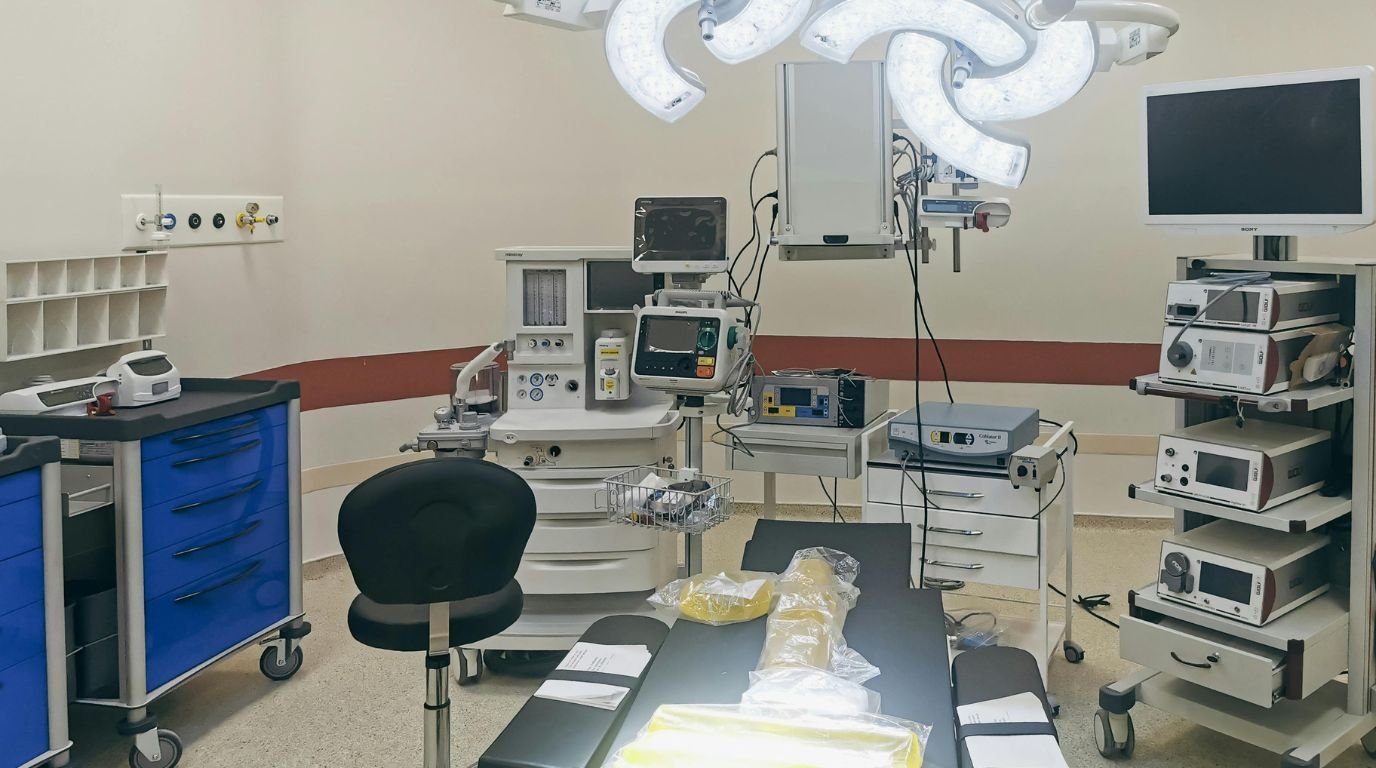
A dental visit can stir up real fear in a child. The bright light. The strange chair. The sounds. You might feel that same fear as a parent. You want to protect your child. You also know that regular care keeps their mouth healthy and strong. That conflict can feel heavy. Here is the truth. A child can learn to feel safe at the dentist. You can guide that change. You can shape the visit long before you step into the office. You can also choose a dentist in San Jose CA who understands children and respects their worries. This blog shares four clear steps you can use right away. Each step helps you lower stress, build trust, and turn a scary visit into a calm one. Your child does not need to feel alone in that chair.
Tip 1: Talk Early, Talk Simple, Talk Honest
Your words shape how your child sees the visit. You do not need long talks. You need clear ones.
- Use simple words. Say “tooth doctor” and “tooth cleaner” instead of long terms.
- Explain what will happen. “The dentist will count your teeth. The helper will clean them with a small brush and water.”
- Avoid false promises. Do not say “It will not hurt” if you are not sure. Say, “If something feels strange, you can raise your hand and the dentist will stop.”
Children read your face and voice. If you sound tense, they feel it. If you speak with calm, steady words, they feel that instead.
You can also read simple books or watch short videos about dental visits. The Centers for Disease Control and Prevention page on children’s oral health gives clear facts you can share in small pieces. Use those facts to answer questions without long detail.
Tip 2: Practice At Home So The Visit Feels Familiar
Fear grows when something feels unknown. Practice can turn strange things into known ones.
Try a short “play visit” at home.
- Let your child lie back on a pillow.
- Use a clean spoon as a “mirror”.
- Count teeth out loud. Then switch roles and let your child “check” your teeth.
Next, add sounds and steps from a real visit.
- Use an electric toothbrush so your child hears a buzzing sound.
- Shine a small lamp so your child gets used to a bright light.
- Practice opening wide for a slow count of five.
Each practice should stay short. End while your child still feels calm. That pattern teaches their brain that “dentist things” lead to safety and care, not fear.
Tip 3: Choose The Right Time, Place, And Support
Time and setting matter. A tired or hungry child has less strength to handle fear.
- Pick the right time of day. Morning visits often work best for younger children.
- Keep the day light. Avoid stacking other stressful plans before or after the visit.
- Tell the office what your child needs. Share fears, sensory needs, or past rough visits.
A good office will welcome that information. Staff can then plan extra time, a quiet space, or simple breaks.
You can also bring small comfort items.
- A favorite small toy or soft cloth.
- Headphones with calm music if the office agrees.
- A simple picture card that shows “start”, “break”, and “all done”.
The National Institute of Dental and Craniofacial Research offers a guide for parents of children with extra needs in dental settings. The ideas there also help children who feel strong fear or have past trauma.
Tip 4: Use Comfort, Choice, and Praise During the Visit
Once you are in the office, your child still needs your steady presence. You can shape how each moment feels.
Focus on three simple tools. Comfort. Choice. Praise.
- Comfort. Stay near your child if the office allows. Hold a hand. Keep eye contact. Use short, calm phrases such as “You are safe” or “I am right here”.
- Choice. Offer small choices. “Do you want to hold your toy or keep it in your pocket?” or “Do you want the dentist to count top teeth or bottom teeth first?” Choice gives a sense of control.
- Praise. Notice effort, not just courage. “You opened your mouth so wide. That helped a lot.” “You stayed in the chair the whole time. That took strength.”
Also, talk with the dentist before the visit about a “stop signal”. Many children feel calmer when they know they can raise a hand to pause. That signal must be real. If your child uses it, the team should stop and reset.
Simple Comparison: Before and After Using These Tips
The table below shows how small changes in your approach can shift your child’s experience.
| Situation | Common Approach | Tip-Based Approach |
|---|---|---|
| Talking about the visit | “Do not worry. It will be fine.” No clear details. | Simple steps. Honest words. “The dentist will count your teeth and clean them. If you need a break, raise your hand.” |
| Before the visit | No practice. First time in the chair feels sudden. | Short “play visit” at home. Practice opening wide and hearing buzzing sounds. |
| Timing | Visit after school or close to nap time. | Morning visit. Child is rested and fed. |
| During the visit | Parent sits back. Tells child to “be brave”. | Parent stays near. Offers comfort, small choices, and praise for effort. |
| Child control | No clear way to pause. | Agreed “stop signal”. Team pauses if a child raises a hand. |
Closing Thoughts
You cannot erase every fear. You can still turn the visit into something your child can face with strength. Clear words. Simple practice. Thoughtful timing. Real comfort. These four tools work together.
Over time, each calm visit builds trust. Your child learns that the chair is a place for care, not harm. That lesson protects their mouth and eases your own worry. You both walk out of the office with a little more peace each time.