Wearable patches are changing how people monitor their health by collecting continuous data without interrupting daily life. Unlike traditional wearables that require frequent interaction, these thin adhesive devices work quietly in the background, tracking important health metrics around the clock. As digital wellness continues to evolve, wearable patches are helping people move from reactive healthcare to proactive wellness by making health monitoring simpler, more consistent, and highly personalized.
What Wearable Patches Actually Are
Wearable patches are thin, flexible adhesive devices worn directly on the skin. Most are about the size of a large bandage and contain sensors, a small processor, and wireless communication hardware that transmits data to an app or cloud platform.
Unlike a smartwatch, they have no screen, no notifications, and no interaction required. They collect data passively, continuously, and without asking anything of the person wearing them.
That simplicity is the point. A device you forget you are wearing generates more honest data than one you actively manage. Most patches are designed to be worn for days or weeks at a time, while water resistance allows them to stay on through showers, workouts, and sleep without interruption.
What They Track
The range of what wearable patches can measure has expanded significantly.
Continuous Glucose Monitoring (CGM) provides real-time glucose levels, helping individuals understand how food, exercise, and stress affect blood sugar.
Cardiac Monitoring uses electrocardiogram patches to track heart rhythm over several days, making it easier to detect irregular patterns that short clinical tests may miss.
Temperature and Hydration sensors monitor changes that may indicate illness, hormonal shifts, or recovery status.
Respiratory and Movement Monitoring measures breathing rate, posture, movement patterns, and sleep position while users continue with their normal daily routines.
The person wearing the patch simply goes about their day while the device quietly collects valuable health information.
Where Wearable Patches Are Being Used
Healthcare technology has adopted wearable patches across several practical applications.
Post-surgical monitoring allows patients recovering at home to be observed remotely, reducing unnecessary hospital visits while alerting care teams if irregularities occur.
Chronic disease management benefits from continuous monitoring by giving healthcare providers a complete picture instead of relying only on occasional appointments.
Workplace wellness programs are also exploring wearable patches to monitor fatigue and heat stress in physically demanding environments, helping prevent safety incidents before they happen.
Professional sports teams increasingly use patches to monitor recovery, training load, and readiness, while consumer wellness continues to be one of the fastest-growing areas as more people seek better insight into their daily health.
Digital Wellness and Continuous Monitoring
Digital wellness is most valuable when technology helps people make proactive health decisions rather than simply recording information.
Wearable patches remove much of the effort required to collect health data. There is no need to manually log meals, remember workouts, or charge a device every night. Information is collected automatically while daily life continues uninterrupted.
This passive approach supports long-term behavior change because it reduces the burden placed on the user. Personal health data collected over weeks often provides stronger motivation than general health advice because it reflects individual patterns rather than broad recommendations.
Patches and Wrist Wearables
Wearable patches and wrist-worn devices are not competitors. They serve different purposes.
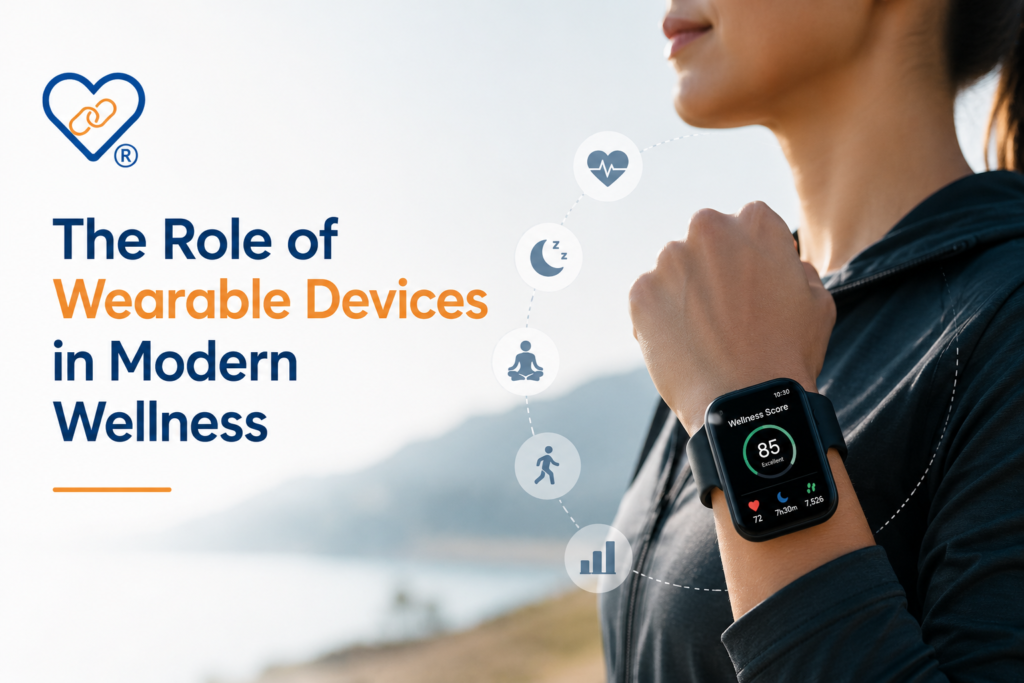
Patches sit closer to the body, allowing them to monitor signals such as glucose levels, cardiac rhythm, and respiratory function with greater precision. Wrist wearables focus on displaying information, delivering reminders, supporting goal tracking, and connecting users with wellness platforms.
Together, they provide a more complete understanding of overall health by combining detailed physiological monitoring with everyday lifestyle support.
What to Know Before Trying One
Before choosing a wearable patch, there are several practical considerations.
People with sensitive skin should look for hypoallergenic adhesives and test shorter wear periods first.
Health data becomes much more valuable when accompanied by clear explanations rather than simply displaying numbers. Users should also understand whether a device is designed for medical monitoring or general wellness, depending on their specific needs.
Costs vary depending on the type of patch and the health metrics it monitors, making it important to evaluate both functionality and intended use before purchasing.
Conclusion
Wearable patches continue to expand the possibilities of preventive healthcare by making continuous monitoring easier and more accessible. Combined with broader wellness platforms, they help people better understand their bodies and make informed decisions based on long-term health patterns instead of isolated measurements. Solutions like Dirac Links demonstrate how wearable innovation can connect valuable health insights with everyday motivation and long-term wellness goals.



Hocam Ellerinize Saglık Güzel Makale Olmuş Detaylı
I appreciate you sharing this blog post. Thanks Again. Cool.
very informative articles or reviews at this time.