Key Takeaways
- Black box data is critical for reconstructing the events leading up to a truck accident.
- The data recorded can include speed, braking applications, and hours of service, which are crucial for liability determination.
- Preservation and proper analysis of black box evidence can impact the outcome of litigation.
- Legal requirements and procedures govern the collection and use of black box data in court.
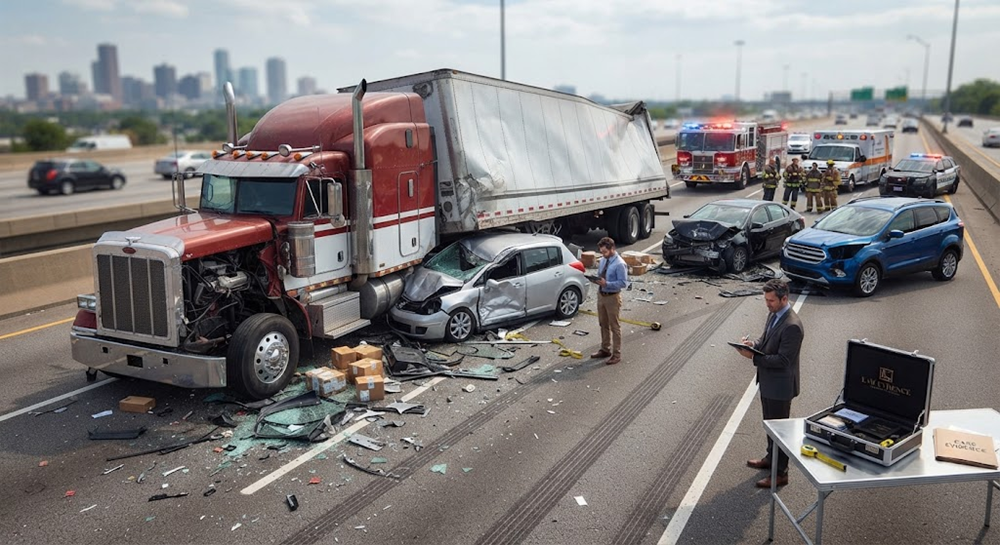
In the aftermath of a truck accident, one of the most valuable sources of evidence for both victims and investigators is the truck’s black box, also known as an Event Data Recorder (EDR). These electronic devices, installed in most commercial trucks, automatically record operational data before, during, and after a crash. For those involved in such tragedies, working with experienced advocates, such as a Houston 18-wheeler accident lawyer, can be essential to properly accessing and interpreting this data. Understanding how to retrieve and analyze this information correctly can significantly affect the outcome of a case.
The information stored on black boxes can play a decisive role in accident investigations. This sophisticated technology provides an objective record that may contradict or confirm witness statements and other evidence collected at the scene. As the trucking industry continues to grow, the use of black box data has become increasingly prevalent in litigation.
What Is a Truck Black Box?
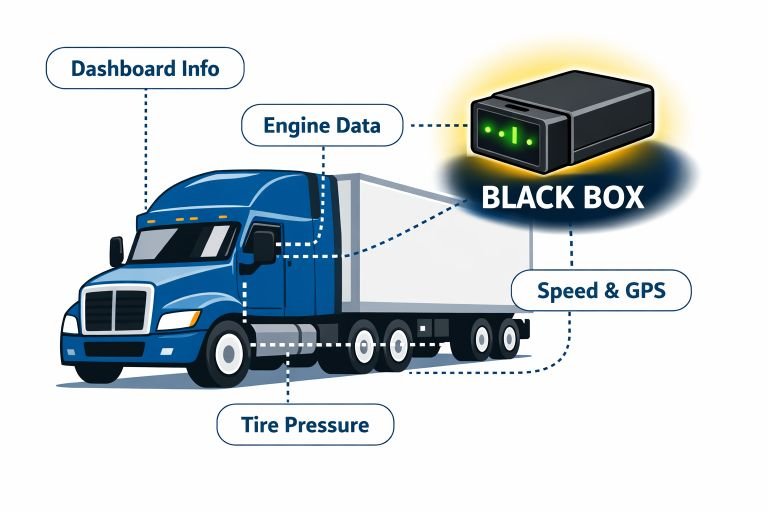
Truck black boxes, or EDRs, are electronic devices installed by manufacturers to document critical vehicle metrics. These devices continuously collect data such as travel speed, acceleration, deceleration, engine RPM, braking activity, and seatbelt usage. Modern EDRs can also record data linked to hours of service, GPS coordinates, and even the force of impact experienced during a crash.
The National Highway Traffic Safety Administration (NHTSA) recognizes the value of EDRs in improving road safety and guiding accident prevention protocols. As commercial trucking regulations tighten, the prevalence and capacity of black box devices are expected to further increase.
How Black Box Data Impacts Litigation
Accident Reconstruction
One significant use of black box data in truck accident cases is accident reconstruction. The data collected can provide a timeline of events in the moments before and after a collision. Investigators may use this information to establish whether a truck was speeding, failed to stop, or engaged in other actions that contributed to an accident. This objective evidence can help identify liable parties and clarify disputed facts.
Determining Fault and Liability
Establishing liability in truck accident litigation often depends on the ability to show what really happened during the crash. Black box records of vehicle speed, braking, throttle position, and hours of service can be used to prove violations of safety regulations or reckless driving. If the driver exceeded the allowed drive time or ignored traffic signals, black box data will typically provide clear proof, thereby influencing the settlement or verdict.
Legal Considerations in Accessing Black Box Data
Preservation of Evidence
Black box data is not stored indefinitely, and in many cases, it can be overwritten or lost if not accessed promptly after an accident. Attorneys often send preservation letters to trucking companies to prevent the erasure of this crucial data. Early intervention is vital to secure the evidence before routine use or company policies lead to unintended deletion.
Admissibility in Court
Courts may scrutinize how black box data is collected, preserved, and interpreted. Attorneys must ensure the data’s integrity and demonstrate that it has not been tampered with, fabricated, or damaged. Only data obtained and handled in accordance with applicable legal standards is typically admitted in court.
The Importance of Expert Analysis
The technical nature of black box information requires expert interpretation. Accident reconstruction professionals and data analysts are often retained to translate raw EDR data into understandable findings. These experts help attorneys and courts understand what the numbers actually mean in the context of real-world driving conditions, traffic regulations, and collision dynamics.
According to NHTSA guidance, expert analysis can even differentiate between mechanical failure and driver error. This distinction is vital for determining the extent of liability for trucking companies, insurers, and other parties involved.
Steps Truck Accident Victims Should Take
After a truck accident, victims and their families should act quickly to protect their rights and secure all available evidence. Timely consultation with experienced legal professionals who handle trucking collisions is essential to preserve black box data, obtain the necessary records, and prepare a strong case.
It is also important for accident victims to gather contact details, report the incident to authorities, and seek immediate medical attention, as these steps complement and strengthen the technological evidence captured by truck EDRs.
Conclusion
Black box data has transformed the landscape of truck accident litigation. Its ability to provide unbiased, detailed insights into crash events gives victims, investigators, and courts a powerful tool for pursuing justice and accountability. As trucking technology evolves, understanding how to properly use and protect this evidence will remain central to resolving accident claims successfully.