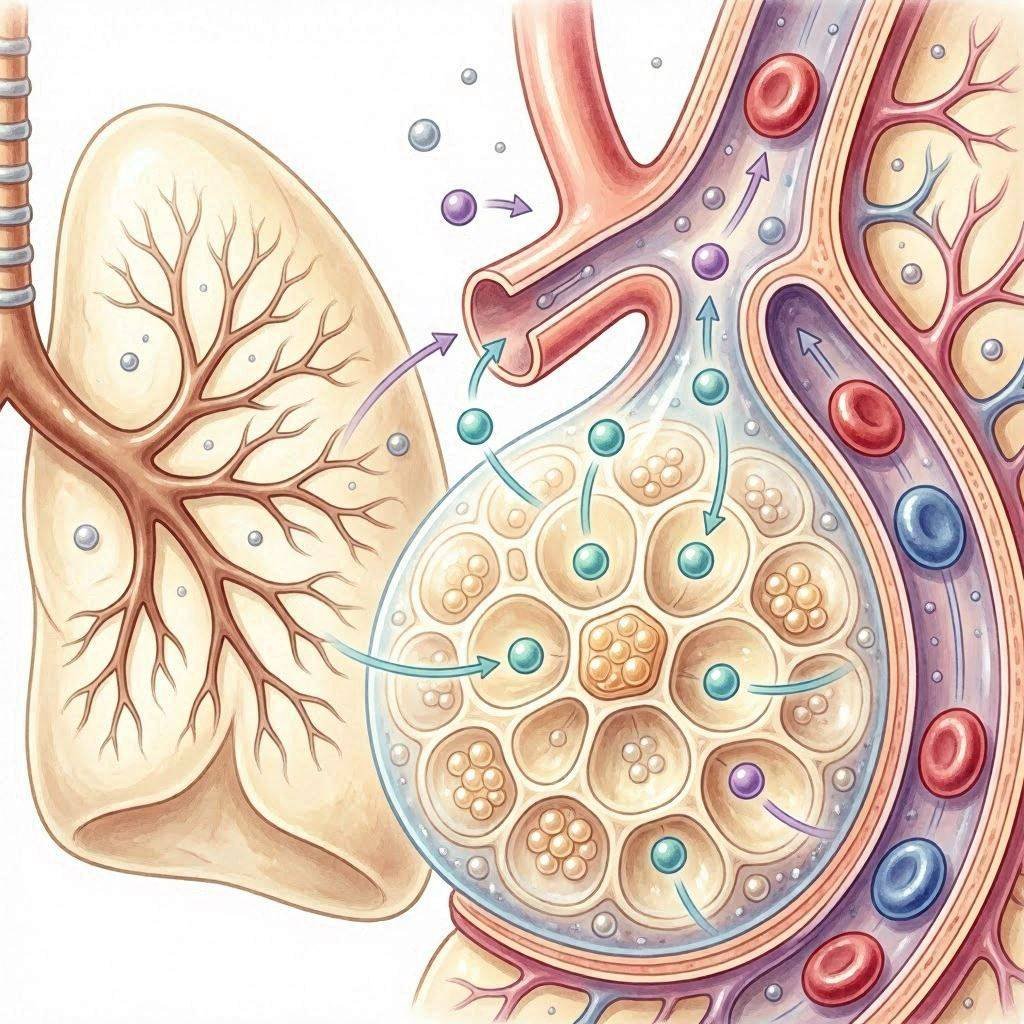
Breathing is one of the most important of all processes in the human body since it is during this process that oxygen enters the bloodstream and carbon dioxide is expelled from the body due to the action of the cells. Breathing appears easy on the outside, but an amazing microscopic mechanism takes place behind the scenes inside the lungs every second to keep them alive. The tiny air sacs (alveoli) at the center of this process are the ones that facilitate exchange between the lungs and the blood. These tiny structures enable oxygen to enter the bloodstream and carbon dioxide to be expelled via exhalation. If the alveoli were not healthy, the body would not function adequately for production of energy, organ function, and survival.
Alveoli play a crucial role in the respiratory system by offering the necessary surface area and conditions for the exchange of gases. The information from function of alveoli explains that alveoli are highly specialized structures that increase the amount of oxygen that can be absorbed through the body, and waste gases can be quickly and effectively removed. These little air sacs function throughout life and care for all of the organs and tissues, providing continuous oxygen to them. The role of alveoli in the lungs is essential for their proper functioning, which is crucial for efficient breathing, physical activity, cardiovascular health, and overall lung health.
The structure and function of alveoli
The alveoli are tiny air sacs at the end of the bronchioles well within the lungs. Respiratory alveoli have a huge surface area for gas exchange, with hundreds of millions of alveoli in the lungs. This surface area is spread out flat, and it would cover a very wide surface area, a testament to the efficiency of lungs in absorbing oxygen. The alveoli have very thin walls, and are surrounded by very small blood vessels called capillaries. The alveoli and the capillary are in close contact, so gases can quickly diffuse between the air and the blood.
Alveoli structure is very important to their function. The thin walls lower the distance gases have to travel, thus, oxygen/carbon dioxide exchange is very efficient. Alveoli are also elastic, that is, they stretch when they are breathing in and contract when they are breathing out, allowing air to flow in and out of the lungs smoothly. The alveoli are lined with a substance known as surfactant, which keeps them from collapsing when air is expelled from the lungs. If there were no surfactant alveoli would adhere together and would be harder to reopen during inhalation.
Alveoli are part of a larger respiratory network that continually serves the body. The alveoli are flooded with oxygen carrying air on inhalation and the carbon dioxide carrying blood has to travel through the surrounding capillaries to reach the alveoli. This is because oxygen can enter the bloodstream and carbon dioxide can enter the alveoli to be expelled. This process takes place millions of times at once in the lungs, allowing the body to deliver oxygen without effort and remove waste material.
The way gas exchange takes place in the lungs
Oxygen goes into the blood and carbon dioxide comes out; this process takes place almost exclusively in the alveoli. Air brought in by breathing goes through the nose or mouth, down the windpipe and through the bronchi and bronchioles into the alveoli where it picks up oxygen. Meanwhile, blood from the body contains a high concentration of carbon dioxide and a low concentration of oxygen. The concentration differences between the alveolar air and the capillary blood provide the necessary basis of diffusion
Diffusion of gases is a natural process that occurs from high to low concentration. The alveoli contain more oxygen than the blood, so oxygen diffuses into the capillaries. On entering the bloodstream, oxygen is carried by hemoglobin which is contained within the red blood cells. The movement of carbon dioxide is in the opposite direction because there is more in the blood than in the alveoli. It passes into the alveoli, and during exhalation is excreted from the body.
This exchange occurs very quickly and constantly due to the continuous ventilation of the lungs with fresh air and the continuous circulation of blood in the pulmonary capillaries. The efficiency of gas exchange is dependent on the alveoli walls, blood flow, and free passage of airways. Any disease that affects the alveoli or that alters lung elasticity may impair diffusion and thus impair the supply of oxygen to tissues. This underscores the importance of normal lung tissue for maintaining normal respiration and function of the whole organism.
Why Healthy Alveoli Are Essential for Respiration
It is important that the alveoli are healthy since this enables the body to take up oxygen and eliminate carbon dioxide effectively, which is necessary for life. All cells in the body need oxygen for cellular respiration to generate energy. Oxygen is essential for organs and tissues to function properly. The brain is particularly sensitive to the oxygen level as it needs a steady stream of oxygen to help with nerve signaling, memory, coordination, and essential body functions. The brain can get confused or lose consciousness from brief periods without oxygen.
The lungs have to regulate carbon dioxide removal effectively too, because excessive carbon dioxide may cause an increase in blood acidity which may affect internal balance. This is enabled by the healthy alveoli which allow waste gases to diffuse quickly from the blood to the lungs. Alveolar function can also be impaired, causing an increase in blood CO2 levels which can cause breathing problems and increased workload for the respiratory and cardiovascular systems.
During exercise, alveolar also have an important role. When muscles demand more energy for maintaining motion, the oxygen demand is increased. The healthy alveoli enable the lungs to take up more oxygen and to provide better endurance while exercising. If an individual has a good lung function, there will be less shortness of breath during activity as the alveoli will more efficiently exchange gases. The link between alveolar health and breathing efficiency and physical performance underscores the need to preserve lung tissue during a lifetime.
Diseases that affect the alveoli and decrease lung function
There are various respiratory diseases that could cause an injury to the alveoli and impair the lung’s function in gas exchange. One of the most detrimental factors is smoking, as cigarette smoke contains harmful chemicals that over time will irritate and damage the walls of the alveoli. People with emphysema, a type of chronic obstructive pulmonary disease, have less elastic alveoli that are enlarged and less efficient. This decreases the surface area to exchange gases and increases the difficulty in breathing.
Alveolar tissue can also be damaged by exposure to harmful chemicals or from air pollution. Smoke, industrial emissions and environmental pollution can release fine particles which can penetrate deeply into the lungs and cause inflammation. Exposure may have long-term effects which can lead to diminished resistance of the respiratory system and may be a factor in the development of chronic respiratory conditions. Respiratory infections (like pneumonia) can cause fluid or pus to accumulate in alveoli, preventing the body from getting the oxygen it needs and causing breathing to become more difficult, until the infection clears up.
Some diseases also can disturb alveolar function. The scaring and thickening of lung tissue caused by pulmonary fibrosis leads to less efficient diffusion (because gases need to pass through thicker walls). Asthma causes the airways to narrow and thicken mucus, which makes it difficult for air to flow to the alveoli. These conditions illustrate the fragility of alveolar structure and the importance of safeguarding the health of the lungs in order to ensure adequate respiration and general health.
The role of the body in promoting effective gas exchange
Several systems are necessary in the body to support the efficient exchange of gasses and maintain healthy alveolar function. The respiratory system facilitates the intake of air into the lungs for gas exchange, and expels carbon dioxide during exhalation. The circulatory system carries oxygenated blood from the lungs to tissues and brings CO2 blood to the lungs. The heart is very important and is constantly pumping blood through pulmonary capillaries around the alveoli.
The lungs are ventilated by the breathing muscles (diaphragm and intercostal muscles) which expand and contract the chest cavity. When you breathe in, the diaphragm flattens and moves down so the lungs expand to take in air. The diaphragm relaxes during exhalation and air comes out of the lungs. These muscles are enhanced by exercise and breathing becomes more efficient over time.
Alveolar health and respiratory function are also affected by lifestyle choices. You can improve lung function by avoiding smoking, limiting exposure to pollutants, exercising frequently and drinking plenty of fluids. Eating well supplies nutrients to help the body repair damage and fight infection, and exercise increases circulation and oxygen delivery. These practices help maintain a healthier lung and better gas exchange over the lifetime of the individual.
Health and alveoli
The alveoli’s health is not just important for breathing; they also play a crucial role in ensuring the supply of oxygen to all organs and tissues in the body. Efficient gas exchange enables normal brain function, physical activity by muscles, and normal organ function, including the heart, kidneys, and liver. As the function of the alveoli decreases, so does the delivery of oxygen resulting in decreased production of energy and increased fatigue.
Lung dysfunction can also affect the cardiovascular system as the heart has to work harder to distribute oxygen-depleted blood. This can lead to high blood pressure in the lungs and eventually cause cardiovascular problems. Healthy alveoli thus help to promote respiratory and cardiovascular health through maintaining adequate oxygen balance in the body.
Respiratory health issues can also impact mental and emotional health, as problems breathing can be a source of stress and anxiety. Relaxation, physical endurance and improved sleep quality are all a byproduct of efficient breathing, which leads to overall wellness. This shows the importance of alveolar structures on physical and mental health even during the life span.
Conclusion
Among the most important microscopic anatomical structures of the human body are the alveoli because they allow gas exchange and enable the continuous supply of oxygen to all tissues and organs. Alveoli have thin walls, elastic structure and are closely associated with capillaries, which allows for efficient transfer of oxygen into the blood stream and efficient removal of carbon dioxide. It happens all the time during life and helps to maintain energy levels, organ function and physical performance.
Respiratory efficiency depends on the healthy alveoli as damaged alveoli will be unable to absorb oxygen and will make breathing more difficult. Factors like smoking (smoking related lung disease), air pollution, respiratory infections, and chronic respiratory diseases have a dampening effect on alveolar function and decrease the efficiency of the lungs. Preserving lung health with healthy lifestyle choices, avoiding harmful pollutants, and keeping active can help ensure optimal lung function and respiratory wellness. Knowing the microscopic events of gas exchange puts into perspective the importance of healthy lungs for survival, endurance and quality of life.