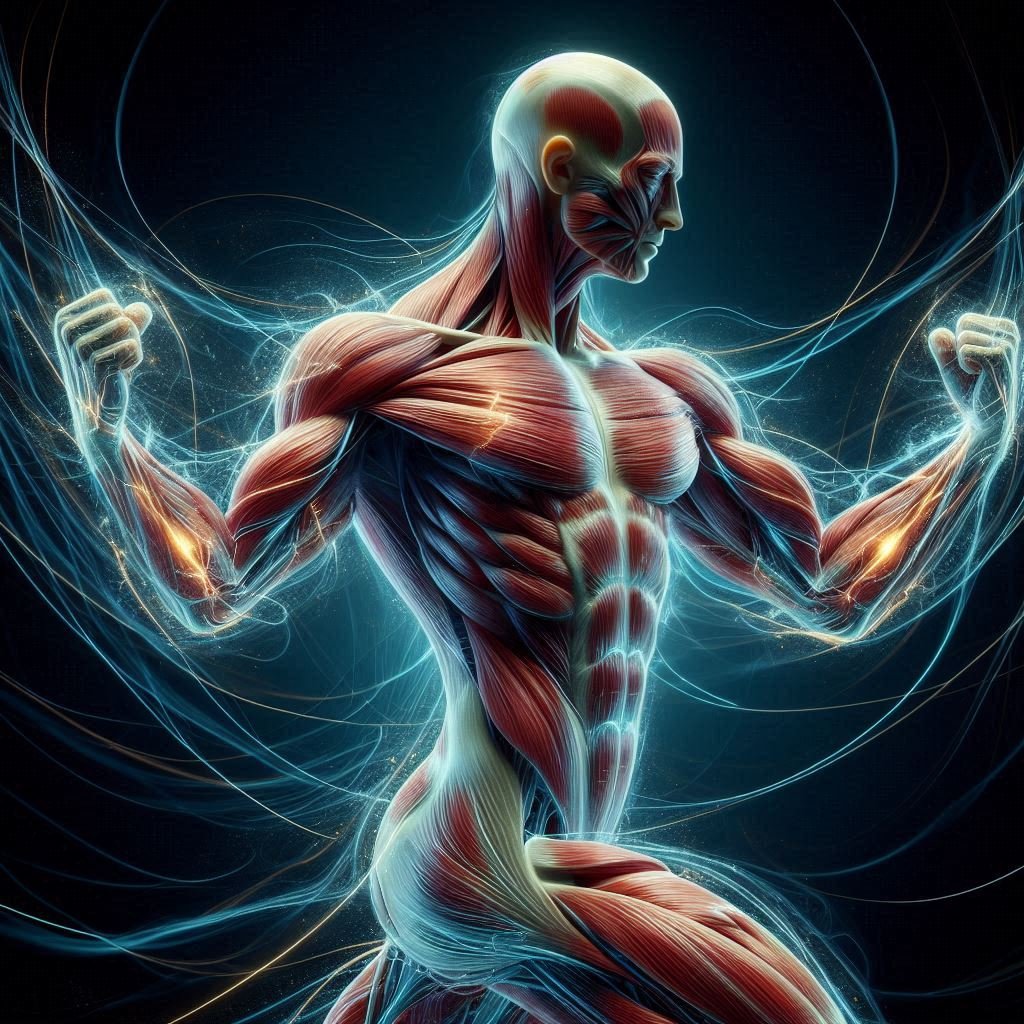
All the processes in the human body, the simplest to the most intense physical activity, all require the continuous provision of energy. A molecule called adenosine triphosphate, or ATP, is what provides this energy. Without ATP, the muscles would not be in a position to contract, relax, or maintain the activity even in a few seconds. To have an appreciation of how the body transforms stored nutrients into usable energy and how this process affects strength, endurance and fatigue, it is important to understand ATP as the prime energy source for muscle contraction. Since lifting a small object to running long distances, ATP is at the focal point of powering muscle activity and maintaining performance. The article discusses the production process of ATP, its applications during muscle contraction, the energy availability and its relation to physical performance and fatigue.
Knowledge ATP and its purpose in the body
ATP is sometimes referred to as the energy currency of the cell since it stores and transfers energy required by the cellular processes. In every ATP molecule, high energy bonds are present, which release energy when broken. This energy is utilized to drive a great variety of biological processes, such as muscle contraction, nerve signaling and metabolic responses. The idea of ATP being the main energy source to power the contraction of muscles underlines its significance in allowing muscles to create force and movement.
ATP in the muscle cells is needed in contraction and relaxation. It enables the muscles fibers to adapt to a new form and then back to its original shape after contraction. In the absence of a constant supply of ATP, the muscles would be in a contraction state thus unable to move. That is why the body has devised effective mechanisms to generate and restore ATP within a short period to ensure that the energy is always on hand whenever it is required.
The way ATP is used to contract muscle
The process of muscle contraction with the involvement of ATP is directly connected with the interaction of two proteins: actin and myosin. These are proteins that compose the structural basis of muscle fibers and are responsible in the generation of force through the sliding filament mechanism. The idea of ATP as the main source of energy to induce muscle contractions is evident in the way ATP directly affects this process.
The stimulation of a muscle leads to binding of myosin heads to actin filaments, creating cross-bridges. ATP in turn binds to the myosin head, leading to the detachment of it to actin. The energy liberated during ATP breakdown is then utilized to rearrange the myosin head so that it is ready to undergo another round of contraction. This process recurs at a fast rate, which enables the muscle to contract continuously and with a smooth movement. In the absence of ATP, cross-bridge cycle would cease and the muscles would not be able to produce mobility.
Production of ATP in the Body
Due to the rapid rate of its utilization in the course of performing any muscle activity, the body has to produce more of it to cover energy requirements. The production of ATP is done by three main systems: the phosphagen system, glycolysis, and aerobic respiration. In each system, there is a contribution to the availability of ATP, which depends on the intensity and duration of physical activity. Knowledge of these systems can be used to explain how ATP being the primary energy source of muscle contraction is maintained under various conditions.
The phosphagen system is an immediate source of energy as it utilizes the stored creatine phosphate to replenish ATP. This system is used in short and high intensity exercises which include sprinting or pulling heavy weights. Glycolysis is the breakdown of glucose into ATP, which supplies energy needed to engage in moderate-intensity activities. Aerobic respiration, or that occurring in the presence of oxygen, results in large quantities of ATP over the course of time and is necessary when carrying out endurance activities. These systems co-operate to make sure that the muscles do receive a constant supply of energy, no matter what type of activity may be underway.
Exercise Performance and ATP
Exercise performance is directly affected by the availability of ATP. When exercising, muscles need a continuous supply of ATP to keep the muscles contracting and producing force. This idea of ATP as the main energy source of muscle contraction is noticeable especially in the case of sports and exercise where the energy requirement may rise drastically.
Once the production of ATP is equal to the energy requirements of the muscles, the performance may be maintained in the long run. But when the ATP production is unable to match the demand, there is a decrease in muscle performance. This is the reason why athletes train so that their body can be able to produce and utilize ATP effectively. The capacity of energy systems, the storage of energy substrates and the efficiency of oxygen use can be enhanced through training and improve performance.
Connection between ATP and Muscle Fatigue
Muscle fatigue occurs when the body is unable to produce enough ATP to meet the demands of physical activity. Lowering ATP levels also reduces muscle contraction efficiency, and thus power and stamina. The idea of ATP as the main source of energy needed by the muscles to contract are vital in understanding the reasons why fatigue occurs during long or intense workouts.
The build up of metabolic byproducts, including lactic acid, which may cause interference with muscle activity, also contribute to fatigue. When the production of the energy is changed into less efficient pathways, the byproducts accumulate, which leads to the feeling of fatigue. This failure to support sufficient levels of ATP eventually limits performance and demands the body to rest and recuperate. When a person is recovering, the ATP stores are replenished in that the muscles can again contract effectively.
Recovery and ATP Regeneration
When the body undergoes a physical activity, the body works to restore the ATP levels and repair the muscle tissue. This process of recovery is necessary to ensure the functioning of muscles and to prepare the body to become active once again. The principle of ATP as the main energy source to contract the muscles is not limited to the active movement but to the recovery period, during which the energy stores are replenished.
Oxygen is administered during the recovery process, to replace fatigue storage, metabolic waste, and damaged muscle fibers. Healthy nutrition, water and rest are very important in aiding this process. Carbohydrates supply glucose to be used in the production of ATP, and proteins aid in muscle repair. Proper rest also means that the body can still go on performing adequately and eliminates chances of getting injured or experiencing ineffective fatigue.
Usefulness of ATP in Movement in our everyday life
Athletic performance is not the only area that ATP is very essential in. Even such simple activities as walking, climbing stairs, or even keeping posture require a constant supply of ATP. ATP as the major source of energy to be used in muscle contraction is applicable to all the levels of physical activity, both simple and complex activities.
Even the involuntary activities like breathing and heart activity rely on ATP to maintain the contraction of the muscles. This brings out the critical importance of ATP in sustaining life and in enabling normal day to day living. The body would not be able to even complete the simplest tasks without ATP and it is therefore important as a fundamental part of human physiology.
Conclusion
The correlation of ATP in muscle contraction is the key to the comprehension of how the body produces and maintains movement. ATP being the major energy source, facilitates the interaction between actin and myosin that enables muscle contraction and relaxation in an efficient manner. The theory of ATP as the main energy source that muscles use to contract links cellular energy metabolism and physical performance, showing that cellular energy availability directly determines the strength, endurance, and fatigue of muscle contraction. The body provides a steady supply of ATP to the body to satisfy the needs of various activities through various energy systems. Through such comprehension, it has been determined that energy balance is very important in keeping the body in motion, in order to perform physical exercises and in preventing fatigue.