You might be looking at your child’s smile, wondering if you are doing enough. Maybe there was a recent cavity that caught you off guard, or a rushed bedtime where brushing just did not happen, and now you are replaying it in your mind. You care about your child’s health, yet teeth can feel like a small detail until something goes wrong and suddenly it feels big and scary. A trusted dentist in Steamboat Springs CO can help you feel more confident and supported as you care for your child’s smile.
Because of this tension, you might be asking yourself a quiet question. Is all this fuss about preventive dental care really necessary, or are you worrying too much? The short answer is that small daily habits and regular checkups protect developing teeth in a way that saves your child from pain and saves you from surprise costs and stress later on. When you understand how prevention works, you can make calm, confident choices instead of anxious guesses.
So where does that leave you right now? You do not need to be perfect. You just need a clear plan. Preventive dental care is about simple, consistent steps that keep baby teeth and adult teeth strong, lower the risk of cavities, and support your child’s health as a whole. With the right information and support from a trusted family dentist, you can protect your child’s developing smile without feeling overwhelmed.
Why do developing teeth need so much protection in the first place?
It can be tempting to think, “They are just baby teeth. They will fall out anyway.” That thought is very common, and it is also where a lot of problems begin. Baby teeth hold space for adult teeth, help your child chew and speak clearly, and affect how your child feels about their appearance. When they break down early, the impact can follow your child for years.
Children’s enamel is thinner and softer than adult enamel. That means sugar, acid, and plaque can cause damage more quickly. A small cavity in a child’s tooth can grow faster than you expect, sometimes turning into pain, infection, or even an emergency visit. This is why preventive dental care for children is not just “nice to have.” It is protection against avoidable pain.
There is another layer too. Oral health habits start forming long before your child can tie their shoes. If brushing is always a battle, or if there is no clear routine, your child can enter their teen years with a higher risk of decay and gum problems. That can mean missed school days, difficulty eating, and long, expensive treatment plans.
Because of this, prevention is not only about teeth. It is about your child’s comfort, confidence, and your family’s peace of mind.
What happens if preventive care is skipped or delayed?
Imagine a 5 year old who snacks often, sips juice throughout the day, and brushes only when someone remembers. There are no obvious complaints, so it feels harmless. At the next visit, the family dentist finds three cavities. Now there are tough choices. Do you schedule fillings, possibly with sedation because your child is anxious, or do you wait and hope it does not get worse?
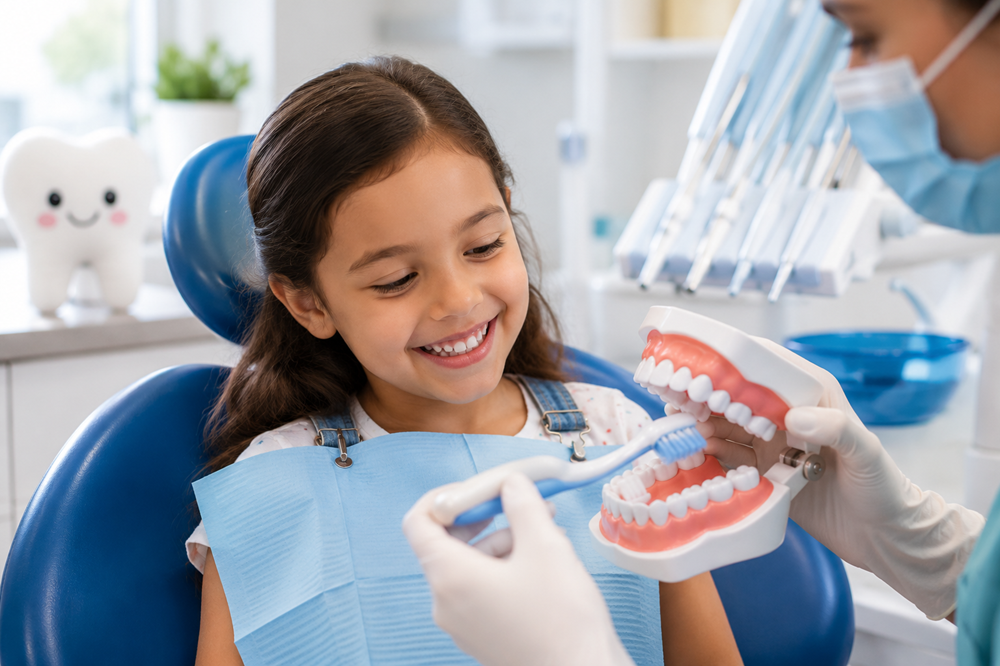
Now imagine a different path. The same child starts regular checkups early. The dentist talks with the parent about snacks, shows the child how to brush, and applies fluoride to strengthen those small teeth. A tiny early cavity is spotted and treated before it ever hurts. The visits feel normal, not scary. The cost is steady and manageable, not a sudden shock.
This is the real difference between reacting and preventing. Without steady preventive care, problems grow silently. By the time you see or feel them, they are bigger, more stressful, and more expensive. With consistent prevention, most issues are caught when they are small, or avoided altogether.
There is strong support for this approach. The CDC offers clear guidance on oral health tips for children, including brushing with fluoride toothpaste and limiting sugary drinks. The American Academy of Pediatric Dentistry also shares a detailed caries risk assessment chart that dentists use to understand a child’s cavity risk and tailor prevention to that child’s needs.
How does a family dentist support preventive care for kids?
You do a lot at home, yet you should not have to carry this alone. A family dentist becomes a long term partner in keeping developing teeth healthy. Regular visits are not only for “cleaning.” They are a chance to track growth, spot early signs of decay, and coach you and your child on what will work in your real life, not in a perfect one.
During these visits, the dentist may recommend fluoride treatments to harden the enamel or sealants on the grooves of back teeth to block food and bacteria from settling in. These simple measures can dramatically lower cavity risk and often cost far less than fillings or crowns later.
The dentist also looks beyond teeth. They watch how the jaws are growing, how the bite fits, and whether habits like thumb sucking or mouth breathing might affect development. Addressing these early can prevent more complex orthodontic or jaw problems later on.
So how do you decide what is worth doing now, and what can wait?
What are the real tradeoffs of preventive dental care for children?
It can help to see the differences between a preventive approach and a “wait and see” approach laid out side by side. This is not about fear. It is about clarity, so you can choose what fits your family.
| Approach | Short Term Experience | Long Term Impact on Developing Teeth | Typical Cost Pattern |
|---|---|---|---|
| Strong preventive care with a family dentist | Regular quick visits, daily brushing routine, some simple treatments like fluoride or sealants | Fewer cavities, less pain, better spacing for adult teeth, more comfort with dental visits | Smaller, predictable costs over time, fewer urgent or major treatments |
| Minimal prevention, treating problems only when they appear | Fewer appointments at first, but sudden visits when pain or visible decay appears | Higher risk of cavities, infections, and early tooth loss, possible impact on speech and bite | Lower cost at first, but higher and more unpredictable expenses for fillings, crowns, or extractions |
| Home care without professional guidance | Brushing and flossing at home, but no professional monitoring or tailored advice | Some protection, but hidden issues can grow unnoticed, especially between teeth or under the gums | Low cost initially, possible spike in costs if problems are discovered late |
When you see the tradeoffs, it becomes clear why many parents choose consistent checkups and early prevention. It is not because they enjoy scheduling appointments. It is because they want fewer surprises and a smoother path as their child grows.
What can you do right now to protect your child’s developing teeth?
1. Create a simple, non negotiable brushing routine
Twice a day brushing with fluoride toothpaste is the foundation of protective dental care for kids. For younger children, you will need to brush for them or with them. Use a small, soft brush and a tiny smear of toothpaste for toddlers, then a pea sized amount once they can spit. Make it part of a set routine, like “wake up, brush, pajamas, brush,” so it is less of a debate and more of a habit.
If your child resists, try short songs, timers, or brushing together in front of a mirror. Many parents find that giving the child a “turn” with the brush, then the parent taking a “turn,” helps everyone feel involved.
2. Schedule regular visits with a trusted family dentist
Early, gentle visits build comfort and allow the dentist to guide you before problems grow. Aim for checkups about every six months, or more often if your child is at higher risk for cavities based on diet, medical history, or past decay. Ask your dentist to walk you through your child’s specific risk level. You can even look at tools like the AAPD’s caries risk assessment chart together so you understand why certain treatments are recommended.
Use these visits to ask practical questions. How often should we use fluoride toothpaste at this age. Are sealants a good idea for my child. What snacks are causing the most trouble. Your dentist should be willing to explain and adjust the plan to your reality.
3. Tidy up snacks and drinks without making food a battle
Frequent sipping on juice, sports drinks, or sweetened milk gives mouth bacteria a constant fuel source. That leads to more acid and more damage to enamel. Try to offer water between meals. Keep juice or sweet drinks to mealtimes, and keep them limited. Choose snacks like cheese, nuts (if age appropriate), yogurt, or crunchy fruits and vegetables instead of sticky candies or crackers that cling to teeth.
The CDC’s page on children’s oral health tips has clear, parent friendly guidance that can help you make these shifts slowly, without turning every snack into an argument.
Moving forward with more confidence and less fear
You do not need to know everything about dentistry to protect your child’s teeth. You only need a few steady habits and a reliable partner in your family dentist. With consistent prevention, fewer things will catch you by surprise, and your child can grow up seeing dental care as normal, not frightening.
As you think about the importance of preventive dental care, remember that every small choice you make today is shaping your child’s health story tomorrow. You are already paying attention, which means you are already on the right path. Keep asking questions, keep building routines that work for your family, and keep using your dentist as an ally. Your child’s developing teeth, and their future smile, are worth that care.