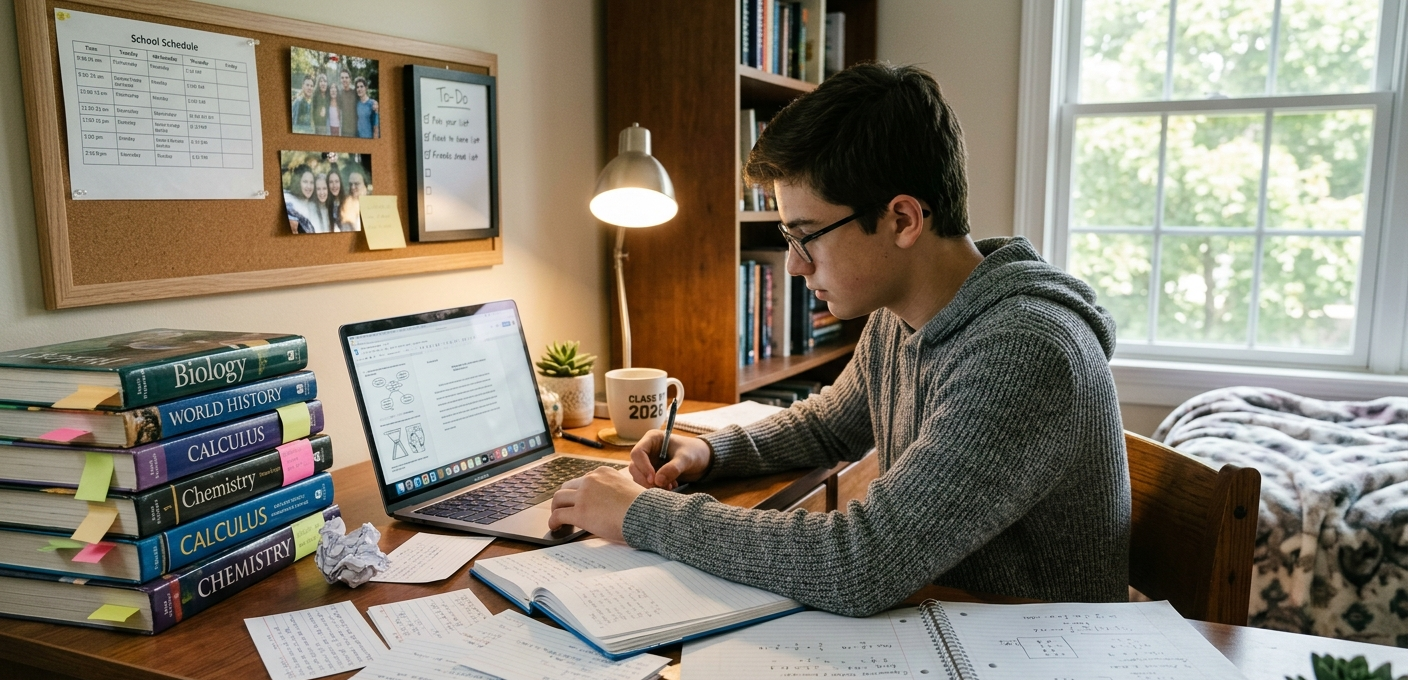
School projects can be overwhelming, particularly if students have to complete more than one. Often, though, a systematic approach can make projects less stressful and more manageable – even fun! A good project design will not only result in higher grades but also in the development of skills, such as research, critical thinking and communication. This guide offers a step-by-step method of planning, researching, writing and presenting school projects to ensure that all students will produce high quality project work which is thorough and meets academic standards.
School Project’s Requirements
It is very important to take the time to comprehend the job completely before beginning any project. Read the project brief given by your teacher carefully. Determine the purpose, structure, timeframe and evaluation of the work. If you have any question about the material, ask your teacher to clarify it to avoid working on irrelevant material. If you know what you want to work on, your work will be relevant and focussed. Also record any particular instructions on citations, illustrations or presentation style. Spending sufficient time getting to know the requirements creates a solid base for a successful project and minimises the risk of last minute panic.
Planning Your Project

The key to making school projects a success is effective planning. Start by breaking down the project into manageable tasks. Develop a timeline that gives adequate time for research, writing, editing and preparation for presentation. Use a calendar, planner or a project management application to see deadlines and prevent procrastination. Planning also includes collecting resources, if applicable in a group, and anticipating any possible challenges. A well-structured plan can serve as a roadmap, helping you navigate each phase of the project and ensuring all necessary components are addressed in a systematic manner.
Conducting Thorough Research

As an integral part of any project, research is the backbone. Quality research is conducted to make sure your material is accurate, relevant, and helpful. First, look for reliable sources like books, scientific papers, trustworthy online articles, and expert interviews, when available. Pay attention to the details, and outline the information into the parts you’ll be filling in for your project. Don’t copy word for word; paraphrase in own words, but be precise. Well done to the students for doing good research; it will not only help to make your project richer, but it will also help you develop analytical skills as you compare and contrast different perspectives and integrate information into coherent arguments.
Organising and structuring content.
After a research, the next stage is to organize your project in a logical way. Your work is easier to understand and more persuasive if there is a clear structure. Start with an introduction that gives a purpose and background for your project. Then the main body, which is broken up into sections and/or chapters that address various elements of the topic. The sections must be properly headed, contain brief paragraphs and supporting evidence. Lastly, add a conclusion that restates important results and explains why your project is important. Having a structure throughout your project makes it look professional and academic.
Writing the Project Report
Writing the project report is the culmination of all your planning and research. Communicate clearly, concisely and formally in academic contexts. Make sure that every paragraph expresses one thought and that it leads to the next thought. Where appropriate, use diagrams, charts or tables to help explain points. To avoid plagiarism and enhance the credibility of your work, it is crucial that you cite your sources properly. When writing, pay attention to both the content and presentation; well-organised reports with clear formatting will have a positive impact on the teacher/examiner.
Editing and Proofreading
Very often editing is neglected but in the course of creating high quality project work, it becomes an important step. Once you’ve written a first draft, give it some time before you read it with fresh eyes. Look for grammatical, punctuation, and spelling mistakes. Review the effectiveness of ideas and make sure the tone and coherence of ideas is consistent in all sections. Check for the correct referencing of sources and correct labelling of visuals. Having someone else read your work or peer review your work may help you to see where you have gone wrong. The careful editing process makes an average report a polished and professional academic paper.
Practicing the presentation

A lot of school projects also involve sharing your project with others, including your classmates or your teacher(s). To give a good presentation, it’s important that you’re well-prepared. Start with a summary of the main points, expressed clearly and concisely. Prepare visuals (slides or posters) to accompany your presentation. Speak with confidence and eye contact, and try to think of some questions that they might ask. Multiple rehearsals will help to eliminate nervousness and help to ensure smooth delivery. A well-prepared presentation makes your project look good and shows that you know how to effectively communicate knowledge.
Group Projects Tips and Guidelines
Group projects can be difficult as they are based on the coordination of several people. For success, set clear roles and responsibilities in accordance with members’ strengths. Make regular check-ins to monitor progress and resolve conflicts and misunderstandings early. To make a project one of good quality, communication, respect and collaboration is essential. Keep in mind that working on a project together is another chance to learn how to work in a group – skills that will be useful in your future academic and career endeavors.
Utilizing Additional Resources
Students can use online resources and academic tools to enhance their projects further. There are sites, such as iProjectMaster, that offer sample projects, research tips and templates to help spur your creativity. Also, educational videos, tutorials, and libraries can give you ideas and techniques to deepen the uniqueness and intricacy of your project. These resources can be used responsibly to produce high quality, creative and well researched project work to meet the academic expectations.
Final Thoughts
A school project has to be well-planned, well-researched, well-written and well-presented to be a success. These steps will help students complete their academic goals and learn skills that will be beneficial to them beyond the classroom, such as time management, analytical skills, and communication skills. Making a product, group or solo, that would show diligence, creativity, accuracy will always be a plus. Keep in mind, each step should be approached in a logical manner, be well organized and focused on quality. With hard work and the proper technique, every student can create outstanding school projects.