infection of the upper part of the female reproductive system namely the
uterus, fallopian tubes, ovaries , and inside of the pelvis. The main causes
are Infections by Neisseria gonorrhea and
Chlamydia trachomatis. Its has signs and symptoms that include lower abdominal
pain, vaginal discharge, fever, burning with urination, pain with sex, or irregular
menstruation. Long term complications including infertility, ectopic pregnancy,
chronic pelvic pain and cancer when untreated. Preventions include not having
sex or having few sexual partners and using condoms. Screening women at risk
for Chlamydial infection followed by treatment decreases the risk of PID.
treatment
for mild pelvic inflammatory disease includes a single injection of
theantibiotic ceftriaxone along with two weeks of doxycycline and possibly
metronidazole by mouth is recommended. In cases that do not improve after three
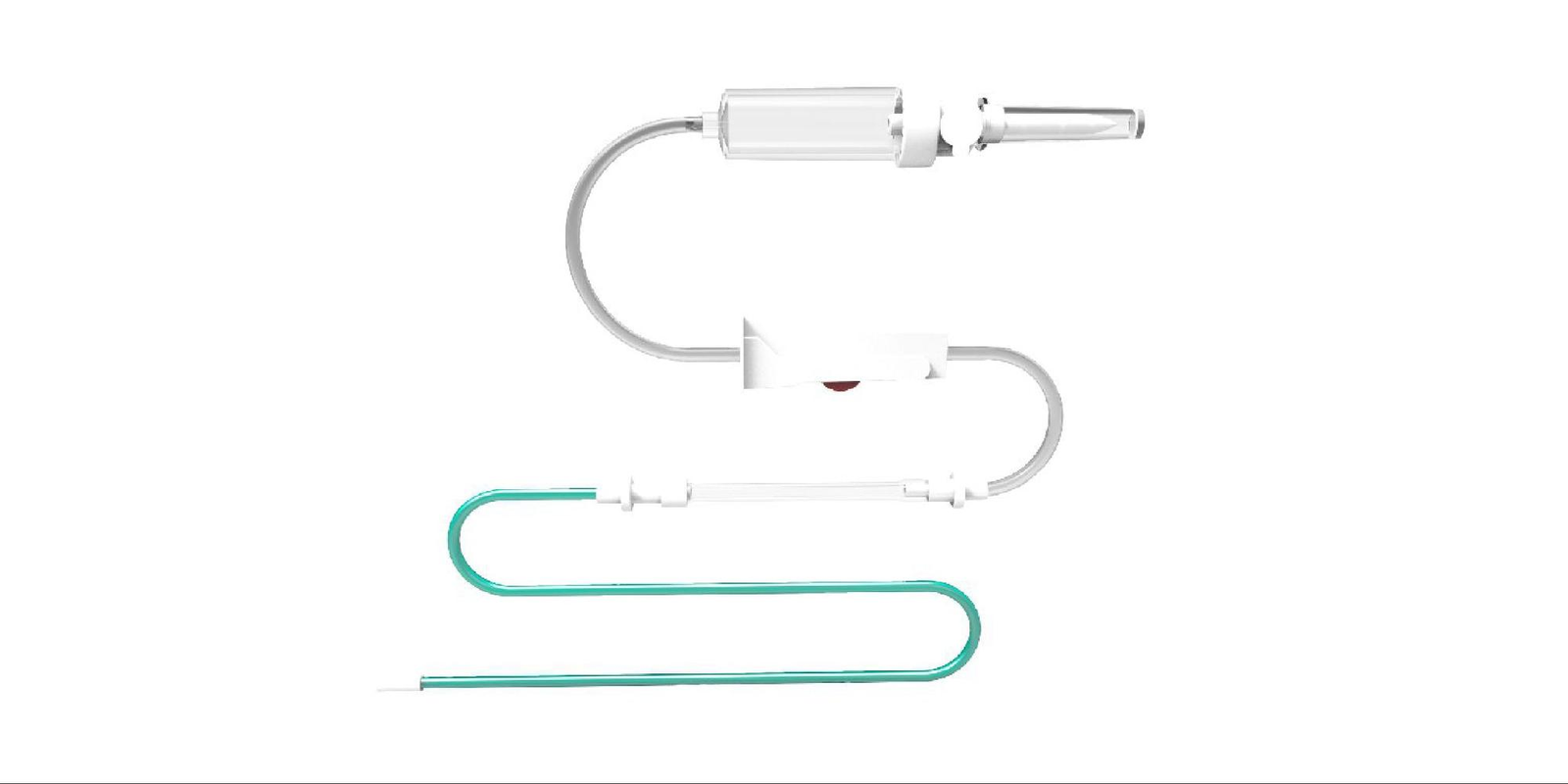
days intravenous antibiotics should be used. Intravenous antibiotics like
Gentamicin loading dose IV or IM (1mg/kg), followed by a maintenance dose (1.5
mg/kg) every 8 hours. Single daily dosing (3–5 mg/kg) can be substituted. Doxycycline
100 mg orally or IV every 12 hours, Cefotetan 2 g IV every 12 hours. After PID
is cured there may be permanent effect like damage to the reproductive system,
Formation of scar tissue due to one or episodes of PID can lead to tubal
blockage, increasing the risk of the inability to get pregnant and long-term
pelvic/abdominal pain.
infection of the upper part of the female reproductive system namely the
uterus, fallopian tubes, ovaries , and inside of the pelvis. Often there may be
no symptoms. Signs and symptoms, when present
may include lower abdominal pain, vaginal discharge, fever, burning with
urination, pain with sex, or irregular menstruation. Untreated PID can result
in long term complications including infertility, ectopic pregnancy, chronic
pelvic pain and cancer.
cervix. Infections by Neisseria
gonorrhoeae or Chlamydia trachomatis are present in 75 to 90 percent of cases.
Often multiple different bacteria are involved. Without treatment about 10
percent of those with a chlamydial infection and 40 percent of those with a gonorrhea
infection will develop PID. Risk factors
are similar to those of sexually transmitted infections generally and include a
high number of sexual partners and drug use. Vaginal douching may also increase
the risk. The diagnosis is typically
based on the presenting signs and symptoms.
It is recommended that the disease be considered in all women of
childbearing age who have lower abdominal pain.
using condoms. Screening women at risk
for chlamydial infection followed by treatment decreases the risk of PID. If the diagnosis is suspected, treatment is
typically advised. Treating a woman’s
sexual partners should also occur. In
those with mild or moderate symptoms a single injection of the antibiotic
ceftriaxone along with two weeks of doxycycline and possibly metronidazole by
mouth is recommended.
intravenous antibiotics should be used. Globally about 106 million cases of
chlamydia and 106 million cases of gonorrhea occurred in 2008. The number of cases of PID however, is not
clear. It is estimated to affect about
1.5 percent of young women yearly. In
the United States PID is estimated to affect about one million people yearly.
fever, cervical motion tenderness, lower abdominal pain , new or different
discharge, painful intercourse , uterine tenderness, adnexal tenderness, or irregular
menstruation may be noted.
abscess, pelvic peritonitis, periappendicitis, and perihepatitis.
cause of PID. Other bacteria involved may include
Chlamydiatrachomatis
Neisseriagonorrhoea
Prevotellaspp.
Streptococcuspyogenes
Prevotellabivia
Prevotelladisiens
Bacteroidesspp.
Peptostreptococcusasaccharolyticus
Peptostreptococcusanaerobius
Gardnerellavaginalis
Escherichia coli
GroupBstreptococcus
α-hemolyticstreptococcus
Coagulase-negativestaphylococcus
Atopobiumvaginae
Acinetobacterspp.
Dialisterspp.
Fusobacteriumgonidiaformans
Gemellaspp.
Leptotrichiaspp.
Mogibacteriumspp.
Porphyromonasspp.
Propionibacteriumacnes
Sphingomonasspp.
Veillonellaspp.
Mycoplasmagenitalium
Mycoplasmahominis
Urea plasmaspp.
Chlamydia . Chlamydia is a genus of pathogenic bacteria that are obligate
intracellular parasites.
nonmotile. The bacteria are non spore -forming, but the elementary bodies act
like spores when released into the host. The inclusion bodies of C. trachomatis
were first described in 1907 by Stanislaus von Prowazek and Ludwig
Halberstädter during research on trachoma. C. trachomatis agent was first
cultured in the yolk sacs of eggs by Professor Tang Fei-fan , et al. in 1957. Disorders
caused by C. trachomatis include chlamydia, trachoma , lymphogranulomavenereum
, nongonococcal urethritis, cervicitis, salpingitis, pelvic inflammatory
disease , and pneumonia .
Chlamydia species using DNA-based tests. Most strains of C. trachomatis are
recognized by monoclonal antibodies (mAbs) to epitopes in the VS4 region of
MOMP. [10] However, these mAbs may also cross-react with two other Chlamydia
species, C. suis and C.muridarum .
another infection is present. Having a C. trachomatis and one or more other
sexually transmitted infections at the same time is possible. Treatment is
often done with both partners simultaneously to prevent reinfection. C.
trachomatis may be treated with several antibiotic medications, including
azithromycin , erythromycin , or ofloxacin .
(singular), is a species of Gram-negative coffee bean-shaped diplococci
bacteria responsible for thesexually transmitted infection gonorrhea
relations. Traditionally, the bacteria was thought to move attached to
spermatozoon, but this hypothesis did not explain female to male transmission
of the disease. A recent study suggests that rather than “surf” on wiggling
sperm, N.gonorrhoeae bacteria uses hairlike structures called pili to anchor
onto proteins in the sperm and move through coital liquid. It can also be
transmitted to the fetus in utero and afterward become apparent as a neonatal infection
.
female reproductive tract provides a pathway for pathogens to ascend from the
vagina to the pelvic cavity through the infundibulum.
will be experienced. Mucopurulent cervicitis
and or urethritis may be observed. In severe cases more testing may be required
such as laparoscopy, intra-abdominal bacteria sampling and culturing, or tissue
biopsy. Laparoscopy can visualize “violin-string” adhesions, characteristic
of Fitz-Hugh–Curtis perihepatitis and other abscesses that may be present.
(CT), and magnetic imaging (MRI), can aid in diagnosis. Blood tests can also help identify the presence
of infection: the erythrocyte sedimentation rate (ESR), the C-reactive protein
(CRP) level, and chlamydial and gonococcal DNA probes
prevention. The risk of contracting pelvic
inflammatory disease can be reduced by the following:
Using
barrier methods such as condoms; see human sexual behavior for other listings.
Seeking
medical attention if you are experiencing symptoms of PID.
Using
hormonal combined contraceptive pills also helps in reducing the chances of PID
by thickening the cervical mucosal plug & hence preventing the ascent of causative
organisms from the lower genital tract.
Seeking
medical attention after learning that a current or former sex partner has, or
might have had a sexually transmitted infection.
Getting a
STI history from your current partner and strongly encouraging they be tested
and treated before intercourse.
Diligence
in avoiding vaginal activity, particularly intercourse, after the end of a
pregnancy (delivery, miscarriage, or abortion) or certain gynecological procedures,
to ensure that the cervix closes.
Reducing
the number of sexual partners sexual monogamy that restricts sexual activities
to two ‘virgins’ or partners remaining sexually exclusive with each other and
having no outside sex partners.
Abstinence
the serious complications that may result from delayed treatment. Treatment
depends on the infectious agent and generally involves the use of antibiotic
therapy. If there is no improvement within two to three days, the patient is
typically advised to seek further medical attention. Hospitalization sometimes
becomes necessary if there are other complications.
prevention. For women with PID of mild
to moderate severity, parenteral and oral therapies appear to be effective. It does not matter to their short- or
long-term outcome whether antibiotics are administered to them as inpatients or
outpatients. Typical regimens include
cefoxitin or cefotetan plus doxycycline, and clindamycin plus gentamicin . An
alternative parenteral regimen is ampicillin /sulbactam plus doxycycline.
Erythromycin –based medications can also be used. Another alternative is to use a parenteral
regimen with ceftriaxone or cefoxitin plus doxycycline. Clinical experience
guides decisions regarding transition from parenteral to oral therapy, which usually
can be initiated within 24–48 hours of clinical improvement. Intravenous antibiotics
like Gentamicin loading dose IV or IM (1mg/kg), followed by a maintenance dose
(1.5 mg/kg) every 8 hours. Singledaily dosing (3–5 mg/kg) can be
substituted.Doxycycline 100 mg orally or IV every 12 hours,Cefotetan 2 g IV
every 12 hours.
permanent. This makes early identification essential. Treatment resulting in
cure is very important in the prevention of damage to the reproductive system. Formation
of scar tissue due to one or episodes of PID can lead to tubal blockage,
increasing the risk of the inability to get pregnant and long-term
pelvic/abdominal pain. Certain occurrences such as a post pelvic operation, the
period of time immediately after childbirth (postpartum), miscarriage or
abortion increase the risk of acquiring another infection leading to PID.
cause serious complications, including chronic pelvic pain, infertility ,
ectopic pregnancy (the leading cause of pregnancy-related deaths in adult females),
and other complications of pregnancy. Occasionally, the infection can spread to
in the peritoneum causing inflammation and the formation of scar tissue on the
external surface of the liver (Fitz-Hugh–Curtis syndrome).
and 106 million cases of gonorrhea occurred in 2008. The number of cases of PID; however, is not
clear. It is estimated to affect about
1.5 percent of young women yearly. In
the United States PID is estimated to affect about one million people yearly. Rates are highest with teenagers and first
time mothers. PID causes over 100,000 women to become infertile in the US each
year.
an episode of acute Pelvic Inflammatory Diseases (PID) each year and the rate
is higher in teenagers and first time mothers. More than 100,000 women become
infertile each year as a result of PID, and a large proportion of the ectopic pregnancies
occurring every year are due to the consequences of PID. Annually more than 150
women die from PID or its complications
female reproductive system, namely; the uterus, fallopian tube, ovaries and
inside the pelvis. The main causes include infections by Neisseria Gonorrhoea, and Chlamydia
Trachomatis. The signs and symptoms include lower abdominal pain, vagina
discharge, fever, burning with urination, pain during sex and irregular
menstruation. Long term complications may include infertility, etopic
pregnancy, chronic pelvic pain and cancer when untreated. Prevention include
not having sex or having few sexual partners or using condom. Treatment for PID
include using antibiotics like Gentamicin IV or IM (1mg/kg) Cefotetan 2g IV
every 12 hours and Doxycyline 100mg orally.
RC, Gottlieb SL, Paavonen J (2015). “Pelvic inflammatory disease” . The New England Journal of Medicine . 372
(21): 2039–48.PMC1657365.PMID 25992748 . doi :10.1056/NEJMra1411426 .
Edward W.; Brunham, Robert C.; Gottlieb, Sami L.; Paavonen, Jorma ( 2015).
“Pelvic Inflammatory Disease” . New
England Journal of Medicine. 372 (21): 2039–2048. PMC 1657365 . PMID
25992748 . doi :10.1056/NEJMra1411426 .
A. H.; Parsonnet, J. (2010). “Role of Bacteria in Oncogenesis” . Clinical Microbiology Reviews. 23 (4):
837–857. ISSN 0893-8512 . PMC 2952975 . PMID 20930075 . doi
:10.1128/CMR.00012-10 .
Philip J.; Seraj, Ibrahim M.; Kalugdan, Theresa H.; King, Alan (1996).
“Prevalence of Mycoplasma Conserved DNA in Malignant Ovarian Cancer Detected
Using Sensitive PCR–ELISA”. Gynecologic
Oncology . 63 (2): 258–260. ISSN 0090-8258 . PMID 8910637 . doi
:10.1006/gyno.1996.0316
D (2008). “Acute Pelvic Inflammatory Disease”. Glob. libr. women’s
med.ISSN1756-2228 .doi :10.3843/GLO WM.10029 .
C; Prabhu, M (2013). “Pelvic inflammatory disease: current concepts in
pathogenesis, diagnosis and treatment.” .Infectious disease clinics of North America. 27 (4): 793–809.PMC
3843151 . PMID 24275271 . doi :10.1016/j.idc.2013.08.004 .
Sequelae” . cdc.gov 2014. Archived from
the original 2015. Retrieved , 2015.
http://www2a.cdc.gov/stdtraining/self_study /PID
/pid/clinical_self_self_study_from_cdc.html
Inflammatory Disease (PID) Patient Counseling and Education” . Centers for
Disease Control 2014. Archived from the original on 2015. Retrieved 2015.
http:www2a.cdc.gov/stdtraining/self_ study/PID/pid_patient_counseling_self_study_cdc.html
Health Organization (2012). “Global incidence and prevalence of selected
curable sexually transmitted infections – 2008” (PDF). who.int . pp. 2,
19. Archived (PDF) from the original on 2015. Retrieved F 2015.
Apps.who.int/iris/bitstream/18665/75181/1/97 8241503839_eng.pdf
STD Treatment Guidelines Pelvic Inflammatory Disease” . Centers for
Disease Control. August 15, 2014. Archived from the original on February 22,
2015. Retrieved 2015. http://www.cdc.gov
/std/treatment/2010/pid.html