A healthy diet is not always thought of as an easy and simple diet, but rather a diet that involves restrictions, counting on calories, and complex rules. But perhaps the most feasible and sustainable approach to nutrition is portion control. Portion control is about the quantity of food eaten and not the elimination of certain foods or about the way food is eaten. Understanding portion control allows people to be able to eat a lot and stay satisfied and balanced. This is done using a non-shaming strategy for healthier eating. Knowing how to control portions will help people to avoid overfeeding, learn to make better meals, and establish a healthier relationship with food, one that can last for years, not weeks.
The advantage to using portion control is that it promotes mindful eating habits, which gives the individual a better awareness of hunger, fullness, and food selections. Mindful eating is not about restriction; it is about listening, and making thoughtful choices on food and beverages. This approach can help develop a healthy eating plan and help individuals have a balance of the foods they love in moderation. There are some simple strategies that can help anyone learn to make estimated portion sizes, prevent overeating pitfalls and create a satisfying meal that will help them attain long-term wellness.
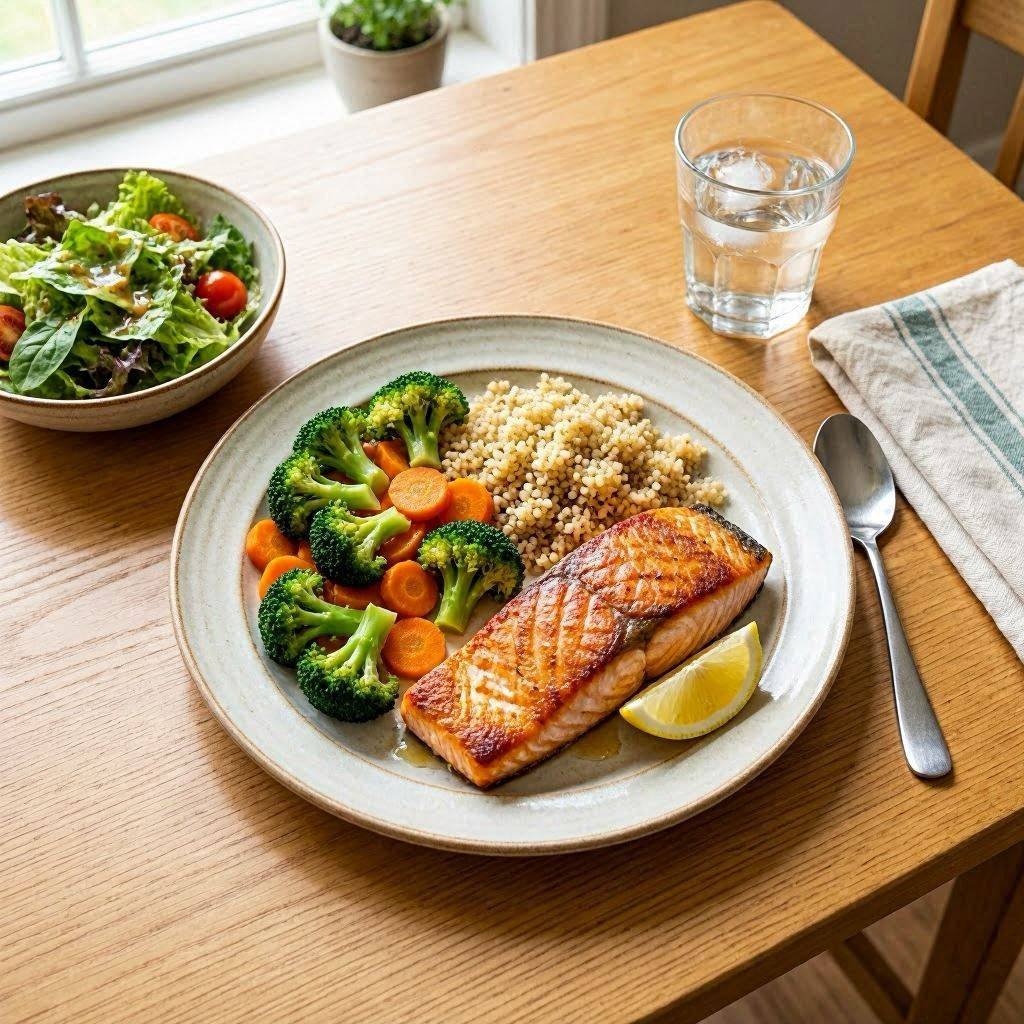
Balanced eating habits shown by the portions of food on a dinner plate
Portion Control Matters
Portion control is a vital part of a well-balanced diet because all foods can cause indigestion or over- consumption if eaten in excessive amounts. People often consume more food in modern life, especially when eating at restaurants, buying fast food or attending social events with large food portions. Eating too much of a particular food type over time may make it harder to identify the body’s needs for certain foods. Portion size control allows people to be more aware of how much they are eating but without the need to restrict the types of food. Focus on portion control instead of restriction – healthy eating can be more achievable and sustainable. This can help individuals savor food without the sense of deprivation and contribute to their wellbeing and a more positive food relationship.
Recognise serving sizes and portions
Although the terms serving size and portion size are often used interchangeably, they are not exactly the same. A serving size is a fixed amount that is used for nutritional advice, whereas a portion is a certain quantity that someone wants to consume at a specific time. This is a distinction that can help people make informed decisions at mealtimes. Many people don’t realize how much more they are using than the suggested serving sizes because they are using larger portions, plates, and packaged foods. Estimating portions with minimal visual reference can help make healthy eating easier and can eliminate the need to constantly measure or track portions. The objective isn’t to be perfect, but to be aware, so they can better match their food consumption to their needs and hunger.
Below are simple portion strategies for healthy eating:
1. Serve smaller portions of food on smaller plates and bowls
Using smaller plates when eating will help you eat smaller portions. Studies and common sense alike indicate that food portions served to individuals may be affected by plate size. Even a reasonable portion of food can look small on a large plate, causing people to put more food on their plate than they should. On the other hand, a smaller plate can serve a reasonable serving size as a satisfying and complete meal. The visual impact can help to minimize over-servings in a non-restrictive way. Smaller bowls for cereal, snack and dessert items can work just as well. This easy habit may help reshape ideas of reasonable eating amounts over time and facilitate better eating habits without having to make any other lifestyle changes.
2. Make healthy, tasty meals around balance
Eat a balanced combination of food groups, which makes portion control easier. Instead of just decreasing the amount of food eaten, people can build a healthful plate by adding vegetables, fruits, whole grains, proteins, and healthy fats to their plate in the right proportions to create satisfying meals. An even plate suggests diversity and promotes a sense of satisfaction and fullness during the day. Vegetables can fill up a large portion of the plate and proteins and grains provide satiety and energy. A balanced diet will make meals tasty and healthy, and less likely to be over eaten. People tend to be more satisfied and less inclined to snack shortly after a meal when they are given the opportunity to plan their meal.
3. Eat slowly and pay attention to hunger signals
People eat too fast for a variety of reasons such as time constraints, distractions, and/or unhealthy eating habits. But rapid eating may make it hard to know when to stop eating. The signals of hunger and fullness take time to appear and eating something quickly may result in overeating before they are sensed. By eating slowly, people can savor the taste, texture, and satisfaction of their food. Smaller bites, chewing well and stopping for breaks can help to check hunger cues during the meal. This practice helps develop mindful eating and promotes awareness of body’s requirements. As time goes on, people can make a habit of eating slower and thus control portions without the need for strict external guidelines.
4. To prevent direct contact with the contents of a package, always use utensils to help pick up food.
It can be difficult to accurately estimate portions if eating directly from a large package or container, as it will take away the visual cues of how much has been consumed. When served in bags of chips, crackers, nuts, and sweets it’s easy to eat mindlessly. An alternative is to serve a sensible portion in a bowl or plate before serving it. This will establish a clear line and promote awareness of portion size. Taking the time to prepare a part of the meal before consumption increases the likelihood that the person will make a conscious decision and not eat more than intended. This easy trick can help with snack control, while still giving you the flexibility to enjoy the snack without the hassle.
5. Learn simple visual portion guides
You don’t need to take measuring cups or food scales with you anywhere.You don’t need to have measuring cups or a food scale with you all the time. Estimation of serving sizes can be easily accomplished using practical visual guides. For instance, the amount of protein one is given is sometimes measured by the size of a palm, and the amount of grains is sometimes compared to a cupped hand. The thumb can be used as a guide for healthy fats, and the vegetables may fill up a portion of the plate, too. These visual comparisons are simple to remember and can be used at restaurants, in the workplace, in social environments and at home. They are not exact but are useful to allow someone to make a round decision without getting bogged down in measurements.
6. Think ahead when planning snacks
Snacking, if done on purpose, can be a part of a well-balanced eating plan. Snack problems tend to occur when it is eaten out of boredom, stress or convenience, instead of hunger. Preparing snacks ahead of time increases awareness of how much and what kind of snack. Eating the right foods and making the right amounts of food ahead of time can decrease impulsive eating and portion control during the day. Eating wisely between meals can also keep energy levels steady and prevent the chance of being overly hungry and eating more later. When people make snack time meaningful and planned instead of unplanned and random, then it’s more likely they will get the right kind of food and the correct portion size.
7. Pay Attention to restaurant portions
Many people may eat more than one restaurant meal at a time, yet at the same time they are consuming more than they should. Eating out can be fun but it can be challenging to control portions if you have large servings. It can be helpful to take a good look at the meal before you start eating and choose a point of comfort. Others may eat half their meal and save the other half for later, or just eat until they are “full enough” and not finish the meal served. The purpose isn’t to not eat food, it’s to be aware of hunger and satiation cues. By learning to be aware in restaurants, people will be able to enjoy eating, socializing, and eating what they love without getting overindulgent.
8. Develop an environment that facilitates better choices
Food environments may play a significant role in food choice. It’s a good idea to have healthy foods out and easy to grab, and hide the less healthy or more calorific options out of sight. Making meals in advance, setting up a well-equipped kitchen, and eliminating distractions at mealtime are all factors that support portion awareness. The little things that we practice in the environment can make a difference in the daily nutrition. Making the environment conducive to purposeful eating can allow people to make a more natural commitment to portion control, rather than just a willful decision.

Mindful eating at a balanced family meal with the right quantities.
Understanding the importance of portion control in long-term wellness
The best thing about portion control is that it’s sustainable. Portion Control is flexible and not restrictive like some diets where favorite foods are forbidden, or where there are strict rules. Individuals are able to engage in social activities, festivities, and day-to-day meals without the feeling of isolation or the absence of food. Portion control is more about moderation than restriction and can be easier to stick to in the long term. This sustainable eating plan can assist individuals make healthier food choices and lower the stress and frustration that is often linked to dieting. This isn’t about perfection, it’s about consistency, and that’s what leads to better nutrition and general health for a healthier and more realistic lifestyle.
Conclusion
One of the most useful ways of getting better nutrition without engaging in restrictive diets or complicated eating plans is by using portion control. Serving size awareness, smaller portion sizes, slower eating pace, meal balance, snack planning and tuning in to hunger cues are all strategies that help people develop a healthy relationship with food without sacrificing variety and satisfaction. These eight easy tips show that it is not about rules and deprivation when it comes to eating healthy. Rather, it is possible to be constructed on consciousness, moderation, and consistency. With consistency, portion control practices can foster more mindful eating patterns, ensuring long-term health and well-being without compromising taste and satisfaction.