People think healthy eating is expensive, or it takes specialty items or a complex meal plan. It is this incorrect notion that prevents people and families from making healthy food changes because they think healthy foods are too expensive. In fact, there are many inexpensive foods that are very nutritious that can actually be incorporated into your regular meals. Knowing which foods are good for you and are inexpensive will help people make better choices when shopping and help to take care of themselves. Healthy eating doesn’t mean purchasing the highest quality food at the super market. On the other hand, it is a matter of choosing foods that are rich in essential nutrients and utilizing them wisely in the preparation of meals throughout the day.
With nutrition being one of the top priorities for most people, it is important to look for budget-friendly foods that are packed with nutrients such as vitamins, minerals, fiber, protein, and healthy carbohydrates without having to break the bank. Balanced meals can be achieved with these foods and they can be consumed in the diet of low and high income families without causing excessive costs. Educating people about the importance of making a well-informed selection about food they consume can help them become more aware of healthy eating and make more sustainable choices.
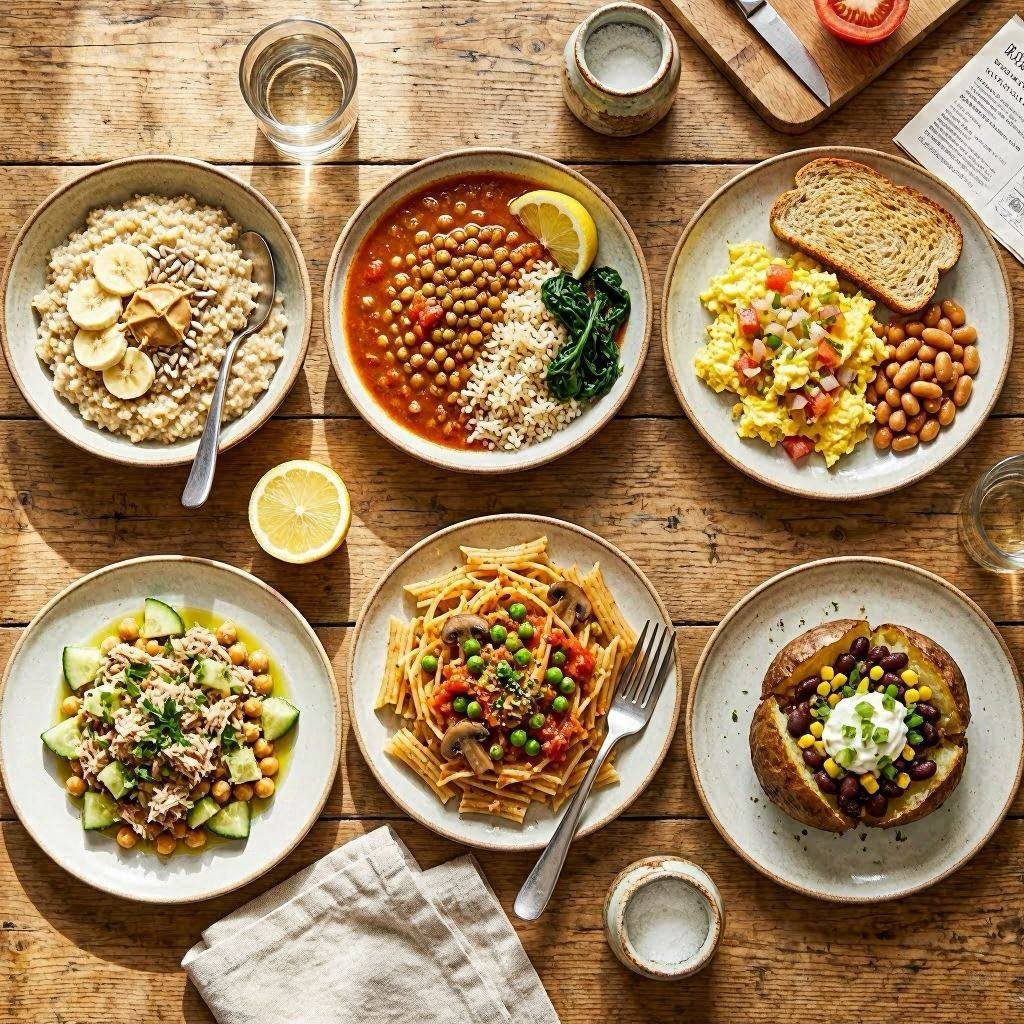
Selection of affordable foods in well balanced meals for daily nutrition.
The importance of affordable nutrition
Healthy eating is a key element of health and wellbeing, but it isn’t something that can only be afforded by those with a big food budget. Access to affordable nutrition is critical because it enables more people to obtain the nutrients they require to function, grow, be productive and to have a quality life. Consumers should be aware that many nutritious foods are readily available and affordable, even if they aren’t convenient. Knowing what foods are good value for money means that people can get the most nutrients for the least amount of money.
It is possible to create the same essential nutrients that are provided by higher-cost meal plans with a balanced diet that is centered around low-cost ingredients. The secret is knowing which foods provide the best bang for your buck. If households put nutrient-rich foods at the top of the list, they may find that eating healthy is also a viable option that is affordable. It allows for information on nutrition to become more widely available and fosters behavioral change for good nutrition habits over time.
1. Beans
Beans are one of the most economical and healthful foods on the market. They’re an affordable source of protein, fiber, vitamins and minerals that is relatively cheap when compared to some protein sources of animal origin. Black beans, kidney beans, navy beans and other types can be added to soups, stews, salads, and rice dishes. They can be used in a variety of ways and are good for many types of cooking. Due to their filling and nutrient-dense properties, beans can help add nutrition to diets without using up too much money. Beans are one of the most cost-effective ways to provide more nutrition for the buck, whether dry or canned.
2. Lentils
Unlike beans, lentils are also rich in many of the same benefits and cook faster, with a less complicated preparation. They offer protein, fibre, iron and a few key nutrients that are important for balanced nutrition. Lentils are extremely versatile and can be added to soups, curries, casseroles and grain based dishes. They are low-cost and low in calories, which is ideal for those looking to enjoy a nutritious meal and save money. Regularly adding lentils to the diet can help to diversify nutrient intake and promote healthful eating patterns, which can be sustained over time and remain affordable.
3. Oats
Oats are a basic, inexpensive food and a great source of complex carbohydrates, fiber and essential nutrients. They are used typically as a savory breakfast food or as ingredients for baking, making snacks and meals. Oats are a great addition to a satisfying meal, because they are a good source of energy and can be paired with fruit, nuts and dairy to make something extra nutritious. They can be used in a variety of ways, and they have a long shelf life, making them a great addition to the pantry for anyone looking for an inexpensive way to add more nutrients to their diet.
4. Eggs
Eggs are one of the most cost effective sources of high-quality protein. They also contain vitamins, minerals and healthy fats which support overall nutrition. Eggs can be cooked in many different ways so they can easily be incorporated into the breakfast, lunch, or dinner time meal. They are also very affordable and easy to make, making them a great option for families who want to eat healthier meals without spending more on groceries. Eggs can be paired with veggies, grains, or legumes to create a balanced and satisfying meal.
5. Brown Rice
Brown rice is a nutritious grain which can be eaten for energy and fibre and is inexpensive. Useful for creating balanced meals, it can be added to beans, vegetables, fish and poultry. Brown rice is a very good value when you compare it to many convenience foods since it is inexpensive, filling and can be used in many different recipes. Whole grains like brown rice can enhance the diversity of the diet or offer a good value for your food dollar.
6. Sweet Potatoes
Sweet potatoes are a good source of carbohydrates, fibre, vitamins and minerals at an extremely low cost. They are naturally sweet and can be used for a variety of meals. They can be baked, boiled, roasted or mashed and can pair well with plant or animal protein sources. Sweet potatoes are widely distributed in numerous areas and are an affordable source to provide nutrients without reducing satisfaction from meals.
7. Bananas
Bananas are one of the most available fruits around the globe. They are a good source of carbohydrates, vitamins and minerals and are relatively cheap year-round. It’s easy to prepare bananas for eating them, and they can be used in smoothies, cereals and baked goods. They are also cost-effective, making them a good choice for anyone looking for healthy snacks on a budget.
8. Carrots
Carrots are low cost, high nutrient vegetables that are commonly found in many markets and grocery stores. These are rich in vitamins, fiber and antioxidants that add to a nutritious diet. Carrots are versatile and can be used raw or cooked, roasted, or in soups and stews. Additionally, they have a long shelf life that helps to minimize food waste, making them a great option for a cheap and healthy snack.The long shelf life also contributes to reducing food waste, enhancing their utility as an affordable and nutritious snack option.
9. Cabbage
Cabbage is one of the most cost-effective vegetables but is not often sought after. It offers lots of fiber, vitamins and beneficial plant compounds, but is cheap enough to enjoy most of the year. Cabbage can be incorporated into side dishes, salads, stir-fries, soups and many other dishes depending on the preferred taste of the meal. Cabbage has a high nutritional value and is cost-effective for families that are on a budget, as it lasts long and comes with more servings
10. Frozen Vegetables
Frozen vegetables are often as healthy as fresh vegetables, as they’re usually frozen right after they’re picked. They are a convenient and cost-efficient method of vegetable consumption and minimize vegetable losses. Frozen mixed vegetables, peas, spinach, broccoli and other options can be used in a wide variety of recipes. Frozen produce can be a great option for those who want to increase their vegetable intake but don’t have a lot of time to go grocery shopping.
11. Peanuts and Peanut Butter
Peanuts and peanut butter are a relatively inexpensive source of protein, healthy fats and nutrients. They can be eaten as snacks, added to sandwiches, or incorporated into dishes and sauces. They can be incorporated into well-balanced diets due to their versatility and nutritional content. To achieve this, it may be advantageous to select varieties with minimal added ingredients, thereby increasing the nutritional benefits while maintaining cost effective food production
12. Yogurt
Yogurt is a healthful food with protein, minerals and good nutritional components that enhance the quality of the meal. Usually plain yogurt is also cheaper and more flexible than flavored yogurts. Can be served on its own, with fruit or in recipes/sauces. Yogurt can be a part of a healthy eating pattern and provide a variety of nutrients at an affordable cost.
13. Canned Fish
Tuna, sardines and mackerel are examples of canned fish that provide protein and essential nutrients at a lower price than many fresh seafoods. Both of these types of products can be used over a long period of time and added to salads, sandwiches, rice and other food items. They are practical and cost-effective options for those looking for a source of nutrients in the form of protein and without a lot of money.
14. Whole Wheat Bread
Whole wheat bread is a source of carbohydrates, fibre and nutrients for balanced nutrition. It is a great inexpensive breakfast, lunch or snack food. Whole wheat bread can be used to make nutritious meals, as a protein addition to vegetables or to fill with healthy spreads, to make meals more nutritious and to help you feel good.
15. Seasonal Fruits
It’s often very convenient to buy seasonal fruit which is also the freshest and best quality at the cheapest price. Seasonal produce is often cheaper than out-of-season produce as it is picked at the time it is in season. Eating produce that is in season can ensure that you get different vitamins and minerals from your food, even if you can’t afford it. Seasonal food intake also allows for greater food diversity and promotes local food systems.
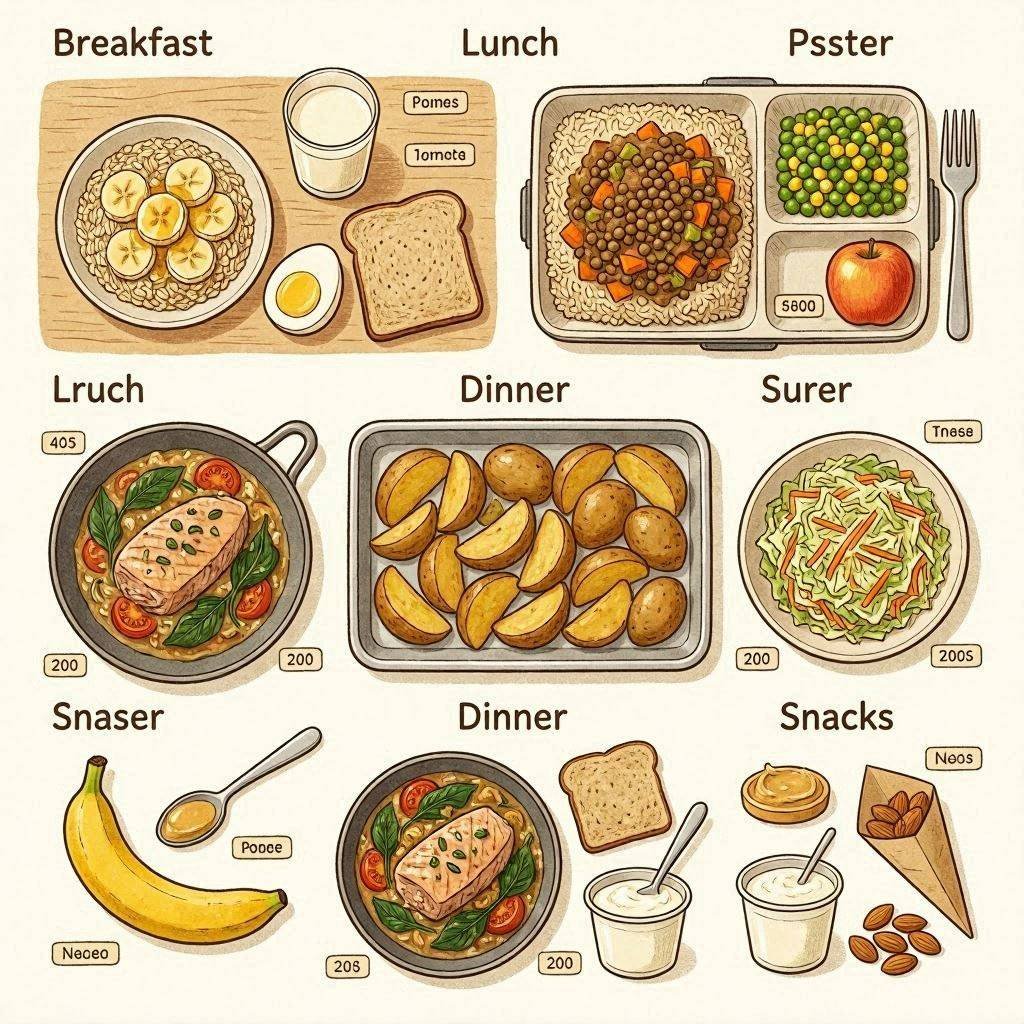
Low-cost foods sorted into healthful and affordable meals for the day.
Creating healthy eating habits on a low budget
However, simply knowing what is inexpensive isn’t enough. The true benefit lies in creating well-balanced meals from these ingredients that offer a range of nutrients. A very simple meal of beans and rice can provide protein and carbohydrates and can be enhanced with vegetables to provide additional vitamin and mineral content. Banana oatmeal makes a good breakfast and egg and vegetables make a good meal anytime of day. Shifting attention to combinations of nutrient-dense foods allows people to make tasty, budget-friendly meals.
A further way of improving affordability is to help people to plan meals, which will also minimise waste and help them to become more intentional shoppers. Buying basic foods in the proper amounts, buying seasonal foods, and cooking at home can save you a lot of money when compared to convenience foods and restaurant dinners. These are practices that can be used to get more nutrition for every dollar.
Conclusion
Healthy eating doesn’t have to be expensive, or a complicated meal plan. There are many inexpensive foods that can offer a significant nutrient contribution and can be used in a routine diet easily. The nutritional benefits of a diet rich in beans, lentils, oats, eggs, rice, vegetables, and fruits show that it is possible to have a healthy diet at any price. This awareness can help them make decisions to benefit their health while keeping their budgets healthy.
Emphasizing low-cost, nutrient-dense ingredients and pairing them together into well-rounded meals allows individuals to enhance their food patterns while still keeping low costs. The 15 foods listed in this article demonstrate that healthy eating is not a daunting task, it’s just a good choice to make, a good plan to follow, and a choice to make food decisions that fuel the body. Small, incremental changes can make a major impact: good nutrition doesn’t have to be expensive.