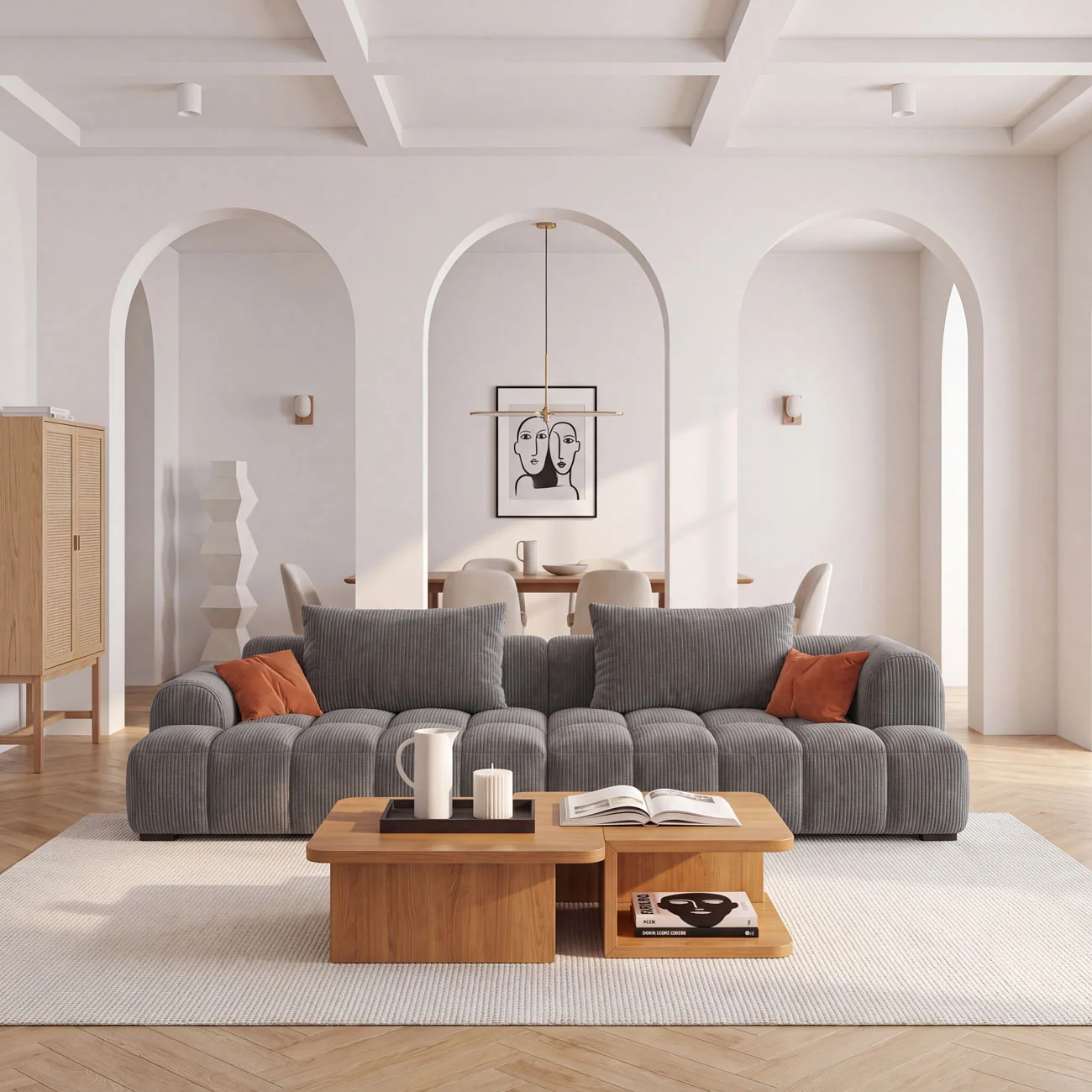
Wall sconces have emerged as one of the most versatile and transformative elements in modern interior design. These elegant fixtures do far more than simply illuminate a room—they create ambiance, define spaces, and serve as sculptural art pieces that enhance any design vision. Whether you’re working with a cozy residential bedroom, a sophisticated hotel lobby, or a minimalist office space, sconces offer a unique opportunity to layer light in ways that ceiling fixtures and table lamps cannot achieve.
The beauty of sconce lighting lies in its ability to free up valuable surface space while directing light exactly where it’s needed. From highlighting architectural features to providing task lighting for reading nooks, these wall-mounted fixtures bridge the gap between functionality and aesthetic appeal. As interior designers increasingly seek solutions that maximize both form and function, mastering the art of sconce placement and selection has become an essential skill that can elevate any project from ordinary to extraordinary.
Understanding Sconce Lighting
Sconce lighting refers to wall-mounted fixtures that provide both ambient and task illumination while serving as decorative elements. Unlike overhead lighting that can create harsh shadows, sconces offer directional light that adds depth and dimension to interiors. They excel at creating visual interest at eye level, drawing attention to architectural details, artwork, or textured walls. The strategic placement of sconces allows designers to establish lighting layers that enhance mood and functionality simultaneously. By eliminating the need for floor or table space, these fixtures prove invaluable in compact areas or where furniture arrangements require flexibility. Sconces also reduce glare compared to central ceiling fixtures, making them ideal for spaces where comfort and atmosphere matter most.

Choosing the Right Sconce
Selecting the perfect sconce requires balancing aesthetic vision with practical considerations. Start by evaluating the room’s scale—larger spaces can accommodate bold, statement sconces, while compact areas benefit from streamlined designs that don’t overwhelm. Consider the fixture’s light direction: upward-facing sconces create soft, ambient illumination by bouncing light off ceilings, while downward-facing models provide focused task lighting. The mounting height matters significantly; position sconces at 60-66 inches from the floor for general lighting, or adjust based on specific needs like flanking mirrors or artwork. Material selection should complement existing finishes—brass and bronze add warmth to traditional settings, while matte black or polished chrome suits contemporary schemes. Finally, assess the bulb type and wattage capacity to ensure the sconce delivers appropriate brightness without overpowering the space, keeping in mind that dimmable options offer maximum flexibility for changing moods throughout the day.
Designing with Sconce Lighting
Integrating sconces successfully requires understanding how different design styles embrace these fixtures. In modern interiors, opt for geometric sconces with clean lines and minimal ornamentation—think cylindrical forms or angular metal frames that complement sleek furniture and open floor plans. Traditional spaces welcome ornate sconces featuring curved arms, decorative backplates, and classic finishes that echo crown molding and architectural trim. For industrial aesthetics, expose the mechanics with cage-style fixtures, Edison bulbs, and raw metal finishes that celebrate utilitarian beauty. Scandinavian designs favor simple, functional sconces in natural materials with soft, diffused light that enhances the hygge atmosphere. When working with eclectic or transitional styles, mix sconce designs thoughtfully—pairing vintage-inspired fixtures with contemporary furniture creates visual tension that feels intentional rather than chaotic. Always consider the wall color and texture; sconces on textured surfaces create dramatic shadow play, while smooth walls allow the fixture itself to become the focal point. Balance symmetry with asymmetry based on the room’s purpose—formal dining rooms benefit from matched pairs flanking a mirror or buffet, while casual living spaces can embrace a more relaxed, varied approach that still maintains visual weight distribution.

Types of Sconce Lighting
The sconce landscape offers diverse styles tailored to specific design needs and functional requirements. Candle sconces evoke historical charm with their flame-inspired silhouettes, perfect for traditional or rustic interiors seeking warmth and nostalgia. Picture light sconces feature adjustable arms that direct focused beams onto artwork, ensuring gallery-quality illumination that prevents glare while highlighting textures and colors. Bathroom sconces typically incorporate frosted glass or fabric shades that diffuse light evenly, eliminating harsh shadows for grooming tasks. Plug-in sconces provide flexibility for renters or spaces where hardwiring isn’t feasible, offering easy installation without sacrificing style. Backplate sconces showcase decorative mounting plates that become design statements themselves, available in everything from ornate Victorian patterns to minimalist geometric shapes. Shade sconces soften light through fabric, glass, or metal screens, creating intimate atmospheres in bedrooms and living areas. Each type serves distinct purposes—understanding these categories empowers designers to specify fixtures that align perfectly with both aesthetic goals and practical lighting requirements for any project.
Flexible Swing-Arm Lamps
Swing-arm sconces deliver unmatched versatility through their adjustable mechanisms that allow users to direct light precisely where needed. These fixtures prove invaluable in reading nooks, bedside installations, and task-oriented spaces where lighting requirements shift throughout the day. The articulating arm extends outward when focused illumination is necessary, then tucks neatly against the wall when ambient lighting suffices. This adaptability makes swing-arm lamps ideal for small apartments and multifunctional rooms where every element must earn its place. Designers appreciate how these sconces eliminate the need for bulky table lamps, freeing nightstands and desks for essential items. The mechanical joints add visual interest while maintaining clean lines that complement both contemporary and transitional interiors, making swing-arm sconces a practical choice that never sacrifices style for function.
Iron and Wood Designs
Iron and wood sconces bring organic warmth and industrial strength together in fixtures that anchor spaces with natural authenticity. Wood elements introduce texture and grain patterns that soften metal’s inherent coolness, creating balanced compositions that work across farmhouse, rustic, and contemporary settings. Reclaimed wood paired with wrought iron evokes artisanal craftsmanship, while smooth walnut or oak combined with matte black metal delivers refined sophistication. These materials age gracefully, developing patinas and character that enhance rather than diminish their appeal over time. Iron frameworks provide structural integrity while allowing wood components to serve as decorative accents—whether as backplates, canopy covers, or shade supports. The weight and solidity of these materials communicate permanence and quality, making them ideal for spaces seeking grounded, authentic design statements. Consider finish combinations carefully: distressed iron with weathered wood creates vintage charm, while powder-coated metal with sealed hardwood maintains crisp, modern lines that suit transitional interiors seeking natural warmth without sacrificing contemporary edge.

Case Studies
A boutique hotel in Portland transformed its corridor from forgettable passageway to memorable experience by installing brass swing-arm sconces every eight feet at 64 inches high. The adjustable fixtures allowed guests to direct light toward room numbers while creating warm pools of illumination that enhanced the textured wallpaper. A Brooklyn brownstone renovation showcased picture light sconces above a gallery wall in the stairwell, with each fixture angled to eliminate glare on framed photography while highlighting the artwork’s depth and detail. The homeowners reported that visitors now pause to admire pieces they previously overlooked. In a Chicago loft conversion, the designer flanked a reclaimed wood headboard with matte black industrial sconces featuring Edison bulbs, eliminating nightstand clutter while reinforcing the space’s urban aesthetic. The downward light direction provided perfect reading illumination without disturbing a sleeping partner. A Napa Valley restaurant elevated its dining ambiance by replacing overhead pendants with wrought iron and wood sconces along exposed brick walls, creating intimate lighting zones at each table that encouraged longer guest stays and increased per-table revenue by eighteen percent within three months of installation.
Best Practices
Successful sconce implementation begins with proper spacing—maintain 8-10 feet between fixtures in hallways and 6-8 feet in living spaces to ensure even light distribution without creating dark gaps. Always install sconces on dimmer switches to control intensity and adapt lighting to different times of day and activities. When flanking mirrors or artwork, position sconces 28-36 inches apart and mount them at eye level or slightly above to minimize shadows on faces during grooming tasks. Test light output before final installation by temporarily positioning fixtures to assess how the beam interacts with wall textures and surrounding elements. Coordinate sconce finishes with door hardware, cabinet pulls, and plumbing fixtures to create cohesive visual flow throughout connected spaces. Avoid placing sconces where they’ll create glare on television screens or computer monitors—position them perpendicular to reflective surfaces rather than directly opposite. Consider the bulb’s color temperature carefully: warm white (2700-3000K) suits residential and hospitality settings, while cooler temperatures work for task-oriented commercial spaces. When sourcing fixtures, manufacturers like KIVENLIGHTING offer diverse collections that span traditional to contemporary styles, providing designers with options that meet both aesthetic and technical specifications. Finally, plan electrical rough-ins during renovation phases rather than retrofitting, which ensures cleaner installations and prevents costly wall repairs that compromise the finished aesthetic.
Elevating Spaces Through Strategic Sconce Selection
Mastering sconce lighting transforms how designers approach spatial illumination and aesthetic composition. These versatile fixtures offer solutions that ceiling lights and lamps cannot replicate—freeing surfaces, directing light with precision, and creating visual interest at eye level where human interaction occurs. The strategic selection and placement of unique wall sconces elevates projects from functional to exceptional, whether you’re working with residential retreats, commercial environments, or hospitality spaces. By understanding the nuances of sconce types, from swing-arm functionality to the organic appeal of iron and wood designs, designers gain tools to address diverse client needs while maintaining cohesive style narratives. The case studies demonstrate that thoughtful sconce implementation delivers measurable results beyond aesthetics—improving guest experiences, enhancing artwork appreciation, and creating intimate atmospheres that influence behavior. As you integrate these principles into your design practice, remember that successful sconce lighting balances technical considerations like spacing and mounting height with artistic vision. Start with one well-placed sconce and observe how it transforms the space, then build your expertise through experimentation. The art of sconce lighting rewards those who approach it with both creativity and precision, offering endless opportunities to craft memorable environments.