Technology projects are vital for businesses to enhance operations, address issues, secure data, and stay competitive in the rapidly evolving digital landscape. But even if the technology concept is a good one, it can still be rejected if it is not well developed. That’s where a technical project proposal comes in handy. A technical project proposal is a well-structured document that describes a technology-related problem, a viable solution, the resources needed to be successful, and the anticipated outcomes.
It is used to convey to decision makers the goals of a project, why it is important, how it will be done and what benefits can be gained by a project. From software development to cybersecurity, cloud computing, and artificial intelligence, or even IT infrastructure, a well-prepared proposal establishes the blueprint for planning, approval, budgeting, and successful project completion.
What is a Technical Project Proposal?
A technical project proposal is a written document that helps to recommend, explain and justify a technology project prior to its implementation. It gives decision makers the information they need to consider the purpose, feasibility, cost, technical requirements, challenges, and benefits of the project. A technical proposal emphasizes more on systems, technologies, implementation techniques, technical resources and operational requirements as compared to a general business proposal that may be more business oriented.
For instance, a software development proposal can describe the application functionality, programming technologies, application development stages, application testing, and software maintenance. Likewise, a cybersecurity plan might pinpoint security problems and suggest security solutions. The primary goal is to convert a technical concept into a comprehensible structured plan, which can be understood by technical as well as non-technical actors.
Importance of Technical Project Proposal
A technical project proposal is critical because it helps an organization minimize risk prior to investing man-hours, money and staff into a technology project. If there is no documented plan, then the project stakeholders might have varying expectations of project goals, roles, cost, and deliverables. Such misunderstandings can cause delays, waste time and money, and result in less than satisfactory outcomes. A professional proposal creates a mutual understanding by identifying what’s to be done, why it’s important, and how success will be defined.
It also enables managers to explore the various solutions, evaluate risks, prioritize resources and decide if the project aligns with the organisational objectives. It shows that the project has been thought through, and not come from a whimsical thought. In this way, a technical proposal is not only a communication document, but a planning tool as well.
Step 1: Problem Statement: Identifying the problem statement
The problem statement is one of the most crucial sections of a technical project proposal as it defines the particular problem that the project will attempt to resolve. The writer needs to be aware of the current situation before recommending software, hardware or another technology and to determine what is not working properly. One company may have poor business processes because they have to enter data manually by hand, another company may have cybersecurity concerns because their security controls are outdated. A problem statement should be objective in describing a situation, explain who is affected, and identify the consequences of not addressing the issue. Leverage operational reports, responses to customer feedback, system performance logs, or security-related findings where possible. Do not use “business needs” language, such as the business requires better technology. Rather, describe the real problem and its significance to the organization.
How to Write an Effective Problem Statement
The problem statement needs to be specific, comprehensible and backed by pertinent data. Start with a description of the actual situation, then the difference between the actual and the desired situation. For example, a company might be handling customer requests using spreadsheets and email, leading to duplicated records, delayed order processing and tracking, and the inability to see order progress. This description gives the software solution proposed a more solid base than just saying that the business requires a new application. The writer should also include the effect of the problem on productivity, service, security, operational costs, or business continuity. Focusing on the severity of the problem demonstrates the need to give the project their attention. A clear problem statement also helps to avoid the proposal having features that are irrelevant to the organization’s needs.
Step 2: Present the Proposed Solution

Once you explain the problem, you will then present the solution and demonstrate how it will solve the issues or problems you have identified. The section should tell about the recommended technology, its most important uses, and why it is appropriate for the organization. For instance, if a company is struggling to keep its customer data organized, they may need a Customer Relationship Management system that is centralized, and if a company has insufficient computing power, they can choose to use cloud-based services. Projects related to IT infrastructure could focus on upgrading servers, networks, storage infrastructure or other technological components that are used in the business. The answer must be realistic, technically appropriate and within the financial means and long-term plans of the organization. Instead of using complex technical terms without explanation, explain how the proposed system will function and how it will benefit the users/ departments.
Explain Why the Solution Is Suitable
A convincing proposal goes beyond just describing a technology; it should describe why that technology is better than options that are available. Make sure the software is compatible with current systems, scalable, secure, easy to maintain, easy to implement, and cost effective. For instance, a Cloud solution might be able to provide flexible computing capacity, but the proposal should take into account internet connectivity, data security, subscription fees and migration concerns. Likewise, a custom software program can offer special features and may take longer to develop and maintain than a commercial software program. When making a reasonable recommendation, comparing options shows that the recommendation has been evaluated and not made based on personal preference. The writer needs to relate the solution back to the problem statement and describe the added value of the features of the solution. This helps to make the suggestion more feasible and understandable for decision makers.
Step 3: Establish Project Goals and Purpose
Project objectives are statements of what the proposed technology project will achieve. They give guidance to the project team and set the criteria which the performance will be judged against in later stages. Good objectives should be SMART (specific, measurable, achievable, relevant and time bound). The goals set for a software development project can be as varied as the actual application itself. They could be to have the application launched, for business records to be more accurate, or to make a certain process take less time.
A cybersecurity project could be designed to enhance access controls, enhance threat monitoring, or develop a more solid backup system. Objectives should be directed towards something other than general goals, like “to improve technology” or “to increase efficiency. Having a clear set of objectives helps managers to evaluate the feasibility of the proposed project, and helps project teams understand what is expected of them.
Differentiate Between Objectives and Benefits
Objectives and benefits are related but are for different reasons in a proposal. Objectives state what the project will do, benefits are statements of changes that are anticipated to result from the project. For instance, a system that automates reporting could be designed to produce accurate reports within a set time frame, with potential benefits of a decrease in manual effort, better decision-making, and more uniform business data.
This distinction has the effect of avoiding unrealistic promises and it aids in communicating the value of the proposal. Additionally, it’s important to pick measurable metrics comparable to system availability, processing time, user adoption or error rates as based on the project. These indicators serve as an effective means to assess whether the desired outcomes have been achieved in the finished solution. Having definite objectives and benefits renders the proposal more focused and convincing.
Step 4: Define the Project Scope
Project scope is used to clarify the boundaries of a project and what is not part of it. Sets limits on the work, outputs, functions, units, systems, and processes of implementing. The provision of interface design, content management, payment integration, testing, deployment, and initial user training could be part of a business website proposal. But it might not include long-term marketing campaigns or the creation of its own mobile app. The key is to set boundaries since if there are more requirements added to a technology project without proper evaluation, it can expand easily. Amidst all this scope changes may creep in without control, resulting in cost overruns, delays, and the strain on resources. The key deliverables, assumptions, limitations, and exclusions should thus be identified in a professional proposal. This enables stakeholders to have a realistic view of what they are approving and helps to manage their expectations during the implementation of the project.
Identify Project Deliverables
Deliverables are tangible results expected from the project team. These can be software programs, technical documentation, network configurations, cybersecurity policies, or cloud environments, training materials, or testing reports. The descriptions of each deliverable should be as detailed as necessary so that stakeholders will know when the deliverable is completed. For example, a software project might need to deliver a working application, an administrator’s manual, documentation for users, and a project report for deployment, instead of just offering a new digital system.
There might also be deliverables linked to project milestones, that makes it easier to track progress. It is useful to define who will be reviewing or approving each significant product and the quality that has to be met. Clear deliverables minimize disputes and assist in getting the project accepted as an objective. They also enable decision-makers to appreciate the practical outcomes that they will be getting back if they invest in a resource.
Step 5: Explain the Project Methodology
The methodology outlines the major activities, processes, tools and techniques that will support the implementation of the project. The selected method should be commensurate with the size and scope of the project, technical needs, and the amount of uncertainty. Agile methods might be appropriate for software projects where it is important to have frequent feedback and incremental development, whereas projects with well-defined requirements might be better suited to a structured method. Assessment, architectural design, procurement, configuration, migration, testing and deployment are infrastructure projects. Security assessments, implementation of controls, validation and monitoring could be needed for cybersecurity initiatives. The proposal must describe the key elements in the project in a logical sequence, and how progress and quality will be monitored. It should also outline what role stakeholders will have in reviews and what will be done if changes to the plans are required. A clear methodology helps decision-makers to know that the project has a workable implementation plan.
Include Testing and Quality Assurance
The methodology should include testing and quality assurance as a part of it, as a technology solution should function correctly before it is accepted or deployed. The type of testing depends on the project and can include functionality testing, performance testing, security testing, compatibility testing, user acceptance testing, and recovery testing. For instance, if a new business application is being introduced, then it needs to be checked to ensure that it works correctly, that information is accurate and that users are able to carry out necessary tasks.
To ensure applications, data, access rights and integrations work as intended after the migration, a cloud migration project might need to include checks. The proposal should describe who will be performing the testing, when, and how the defects will be dealt with. Quality assurance should not be focused as a last minute issue as early identification of the problems can minimize rework and implementation problems. They provide technical responsibility and enhance confidence in the proposed solution.
Step 6: Identify the Required Resources
All technology projects need resources and a professional proposal should outline what resources will be necessary to complete the project successfully. These can range from personnel, equipment, software licenses, cloud services, internet connection, technical facilities, training to financial investment. Human resources are particularly critical because projects are frequently dependent on other skills and expertise. A software project can involve software developers, designers, testers, project managers, and business analysts, while a cybersecurity project can involve cybersecurity specialists, system administrators, and compliance personnel. The proposal should include a description of the key roles, what they are responsible for and whether they already have the expertise or external support required to do their job. Technical resources should also be written in terms of what it does (rather than described as an unexplainable shopping list). A realistic resource plan can be used to assist decision makers to determine the feasibility, financial requirements, and potential for the project being adequately supported.
Create a Realistic Budget
The budget section provides a description of the financial needs of the project and how the money will be spent. Purchasing equipment, development of software, subscription, software licensing, consulting, time of employees, software training, testing, deployment and software maintenance are some costs involved. It is important to differentiate between the upfront costs of implementing the project and ongoing facility costs, since the money invested can be significant and be ongoing after the project has been completed.
If a precise price is not yet known, take reasonable estimates and explicitly explain the assumptions made in these estimates. A contingency allowance for unforeseen costs is also helpful, particularly if the project includes complex integrations or infrastructure changes or unanticipated technical needs. The budget should be related to the scope and the expected benefits of the project so that the stakeholders can judge whether the investment is worth it. It is easier to be convincing with transparent financial planning, and reduces the risk of over-optimism of what the project will provide.

Step 7: Create a Realistic Project Schedule
A project timeline defines the start date, duration and expected completion dates of the key activities in the project. It enables stakeholders to grasp the timeframe in which the project will take place and serves as a benchmark to check progress. The following activities can be part of a technology project timeline: Requirements gathering, planning, design, procurement, development, configuration, testing, deployment, and post-implementation review. The duration of each phase should be set with a reasonable time span, depending on the complexity, personnel, the dependency and the approval process.
For instance, if the project needs new hardware, there may be a need for the hardware to be delivered before the project could progress, while if the project is software based, there could be multiple cycles of user feedback before it is deployed. A timeline should also contain ‘significant events’ showing progress, not just a date of completion. Organizing the schedule in a tabular format (e.g. Gantt chart) can make it easier to understand, especially for project managers who manage multiple projects.
Consider Dependencies and Delays
A realistic time line should allow for the fact that activities need to be done in a certain sequence and must be approved. For instance, approval of the requirements may be a precondition for system development and security review and testing may be a precondition for deployment. The proposal should designate these dependencies as well as provide adequate time for review, correction, procurement, and stakeholder feedback.
It should also include a section that outlines what will be done if you run into unexpected problems when scheduling changes. Don’t make promises for a very short time unless it is feasible for your project, as it can lead to poor project quality and investor confidence. Rather, make estimates based on the work to be done and resources that will be available. Good planning provides a project team with the step-by-step responsibilities of the project, and enables decision makers to see when they will see results and when results will be delivered.
Step 8: Identify Potential Risks and Mitigation Strategies
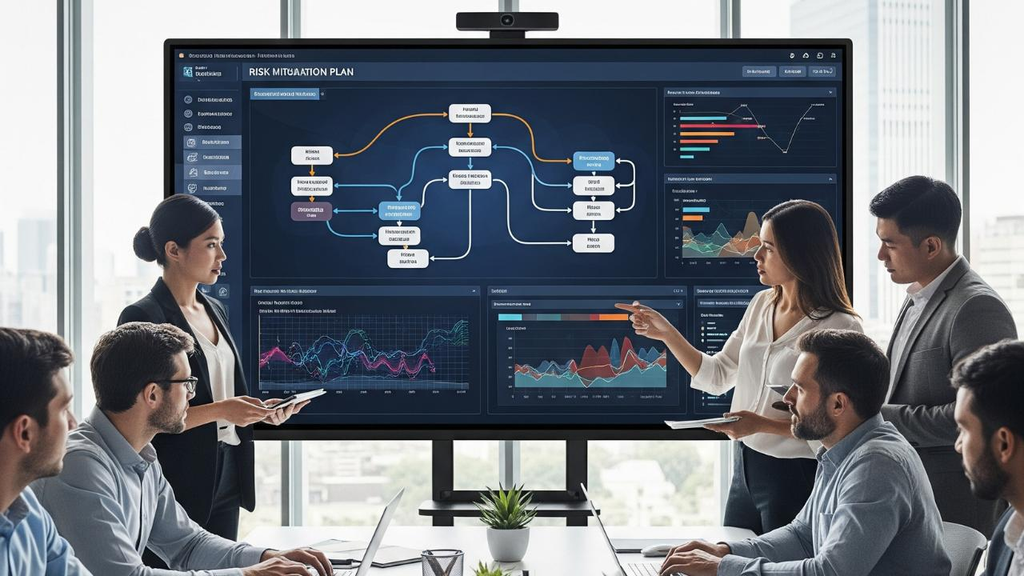
A technical project proposal must have risk management as a key component of the proposal since technology projects can face technical, financial, operational, security, and scheduling issues. Typical risks involve software compatibility issues, data loss, cyber security threats, budget overruns, manpower shortages, and resistance to change. A proposal should include the most relevant risks, evaluate the likelihood of occurrence, and the potential impact of these risks, and provide practical measures to help mitigate the impact.
For instance, a data migration project might need to include verified back-up, staged migration, access control and recovery protocols. Some software implementation will require user training, a software support agreement, and pilot testing to minimize disruption. Risk management must be realistic, not that everything possible can be avoided. The goal is to show that the project team is aware of the uncertainties and has made reasonable responses to mitigate project objectives, resources, and business operations.
Create a Risk Management Plan
A helpful risk management strategy is to list each of the important risks, the likely consequences of each, the person who will be monitoring the risk and what will be done if it happens. Risks may be ranked by probability and/or severity to ensure that the team is assigned to the most critical risks. Examples include a cybersecurity project that focuses on unauthorized access and disruption of services versus an artificial intelligence project that focuses on data quality, model reliability, privacy, and human oversight.
The proposal should also outline a process for the review of risks as the project is developed as new risks can develop as the project moves forward. When responsibility is assigned, then risk management is an active process and not just added as an afterthought for documentation purposes. The proposal shows that being aware of and prepared for possible risks that may impact the final delivery is important in successful delivery, just as much as choosing the right technology.
Step 9: State the Expected Outcomes
Expected outcomes describe the outcomes that are expected when the project is undertaken. They are supposed to be linked to the original problem statement, project goals and proposed solution. The results can be quicker business processes, enhanced information security, more reliable systems, decreased operational mistakes, enhanced customer experience, or expanding access to business information. Possible outcomes for an artificial intelligence project could be more accurate information classification or support for repetitive analysis, depending on the type of project, but with the system properly tested and supervised.
Outcomes need to be achievable and where possible backed up with some measure of indicators. Rather than saying that no operational issues will exist after installing the new system, explain the specific improvements the project will bring and the conditions needed for the project to be successful. This gives the decision makers and a basis for measuring performance once the project is completed.
Define Success Criteria
Success criteria are the criteria that will be used to determine whether or not the project has met its goals. They can involve meeting agreed deliverables, system performance, user acceptance, security requirements, sticking to the budget, meeting the schedule, and operational improvements. For instance, the system might be required to pass certain functional tests, meet certain availability requirements, and be approved by certain stakeholders before it can be considered complete.
Where there are reliable baseline data, business-related indicators can also be added, such as the time taken to process a product or product error. The proposal should provide a description of how this is going to be gathered and who will look at the outcome. When setting up the criteria for success before the project starts, stakeholders are unlikely to be able to give a vague impression as to how successful the project will be when it is completed. It also helps to foster accountability by linking project team’s duties with specific project results instead of with vague statements of success.
Step 10: Prepare to Present the Proposal Professionally

A technical project proposal should be presented in a logical order to make the idea comprehensible to the reader. Start with a professional title, project summary and introduction, then include the problem statement, proposed solution, objectives, scope, methodology, resources, timeline, risks, and expected outcomes. The conclusion should restate the significance of the project and then give the rationale for the action or authorization being sought.
In appendices, provide supporting materials like budget estimates, technical diagrams, implementation schedules, research findings, or assumptions, where necessary. Have clear headings, legible formatting, clear terms and organized paragraphs. If the audience is anyone who does not have a technical background, then technical language needs to be explained. Proofread for spelling, figures, unproved claims, and information. Professional presentation makes it easier to read and helps to draw attention to the benefits and viability of the project.
Common Pitfalls in Writing a Technical Project Proposal
There are a number of frequent pitfalls that can detract from a good technology proposal. One talks too much without explaining the business issue to be addressed. Another is to have vague goals which are not measurable or evaluable post implementation. Another challenge is unrealistic budgets and timelines as they can set expectations that the project team will not be able to fulfill. While some projects ignore maintenance, training, security or operational support, all of these can make or break the usefulness of a technology solution after it’s deployed.
Other documents lack a clear scope definition, which can lead to more requests to be made on the project and can make it challenging to know when the project is finished. Also, it is advisable that writers not make any promises of guaranteed savings, security, and instant results. A good proposal must have a good mix of technical and practical elements, realistic assumptions, measurable goals and effective communication. These weaknesses can be identified and weaknesses can be eliminated by careful consideration before submission.
Conclusion
The technical project proposal needs to be more than just a presentation of an interesting technology idea. It includes awareness of a genuine problem, an appropriate solution, measurable goals, project boundaries, project implementation approach, resources, a practical timeframe, risk management, and outcome description. These sections all form a whole picture of feasibility and value for the project. The well-written proposal is extremely useful to managers, clients, investors, and the technical team, as it links technical needs to organizational needs.
It also serves as a basis for accountability, project monitoring and successful implementation. It could be software development, cybersecurity, cloud computing, AI, or infrastructure enhancements – the point is, there’s a need for clear communication. Through a systematic process and without empty pledges, writers can create a professional technical project proposal that fosters confidence, approval and a successful conclusion of a technology project.