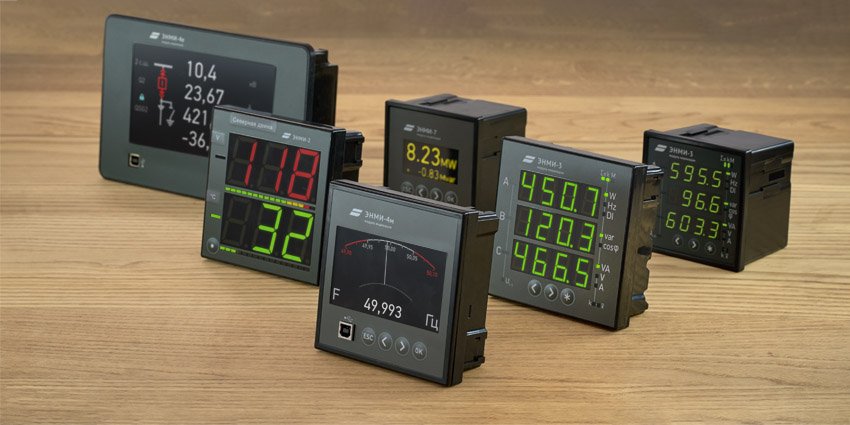
Selecting a display for an industrial or automotive application is a fundamentally different exercise from selecting a consumer display. The performance requirements are stricter, the operating conditions are more demanding, and the consequences of display failure in the field are more significant than a broken consumer gadget. An industrial display module needs to perform reliably across temperature extremes, survive vibration and mechanical shock, maintain readability in varied and often uncontrolled lighting environments, and operate continuously for years without degradation.
The 4.3 inch 480×272 LCD display from EasyQuick LCD is a purpose-built industrial display module designed with these requirements in mind. This article covers what makes this panel suitable for industrial and automotive deployment, the key specification considerations engineers need to evaluate, and the application categories where it performs best.
Why Industrial Display Modules Have Different Requirements
The gap between a consumer display and a genuine industrial display module is not just about durability ratings on a specification sheet. It reflects fundamental differences in how the display will be used and what it needs to survive.
Operating temperature. Consumer displays are rated for typical room temperature environments 0°C to 50°C at best. Industrial environments range from cold storage facilities at -20°C to outdoor industrial equipment in summer heat exceeding 70°C. Automotive applications add further extremes dashboard displays must survive the high temperatures of a parked vehicle in direct sun and the cold of overnight winter storage. Industrial-grade panels use liquid crystal formulations and backlight materials selected for stability across these ranges.
Continuous operation. Consumer displays are designed for intermittent use a few hours a day, with regular power cycling. Industrial HMI panels and automotive displays may run continuously for years. The backlight lifespan, panel aging characteristics, and thermal management of the module all need to account for this usage profile.
Vibration and shock resistance. Factory floors, vehicles, and outdoor equipment subject displays to ongoing vibration and occasional mechanical shock from impacts. The mounting interface, glass thickness, and connection reliability of the module all contribute to how well it survives these conditions.
Optical readability in harsh environments. Factory lighting, direct sunlight through vehicle windows, and outdoor ambient light all challenge display readability. An industrial display module needs adequate brightness and contrast to remain clearly readable across these conditions.
The 4.3 Inch 480×272 Panel Specification
The 4.3 inch 480×272 industrial LCD display delivers a WQVGA resolution in a panel size that sits at the entry point of the mid-size industrial display range. At 4.3 inches diagonal, the panel is large enough to display meaningful HMI content process status, alarms, parameter values, navigation menus at a readable text size without requiring a large panel enclosure.
The 480×272 resolution uses a 16:9 widescreen aspect ratio, which aligns naturally with landscape-orientation industrial interfaces. This format is well established in the automotive and industrial HMI sectors and has broad driver and graphics library support across the embedded platforms used in these markets.
The panel interface typically RGB parallel for this size and resolution is compatible with microcontrollers and processors with dedicated LCD controllers, including STM32 with LTDC, NXP i.MX series, and similar ARM-based industrial computing platforms.
Automotive Display Applications
The automotive environment places some of the most demanding requirements on any industrial display module. In-vehicle displays must survive temperatures ranging from -40°C in overnight cold-soak conditions to 85°C or above in a parked vehicle dashboard in summer. They must remain readable through direct sunlight and automotive glass. They must function reliably under constant vibration from the vehicle powertrain and road surface. And they must maintain all of this performance across a vehicle lifetime of 10 to 15 years.
The 4.3 inch form factor is well established in automotive applications. It suits in-dash instrument cluster auxiliary displays, rear-seat entertainment controls, HVAC and climate control interfaces, and telematics display panels where a dedicated small screen provides focused information without dominating the vehicle interior design.
For automotive-grade applications with the most stringent temperature and reliability requirements, EasyQuick LCD’s customization service supports design teams in specifying extended temperature range variants and automotive-qualified panel configurations.
Industrial HMI Applications
Beyond automotive, the 4.3 inch industrial display module suits a range of factory and field equipment applications. Machine control panels for CNC equipment, injection molding machines, and automated assembly lines use displays in this size range for operator interfaces that need to show process parameters, alarm states, and control inputs in a compact panel footprint. Field instruments including flow meters, pressure transmitters, and gas analyzers use 4.3 inch panels for local readout and configuration interfaces. Building automation controllers for HVAC, lighting, and access control use this panel size for wall-mounted control panels where a compact, professional appearance is important.
EasyQuick LCD’s industrial control display solutions covers the full range of display options suited to factory and field equipment applications including extended temperature variants and panels with enhanced optical bonding for improved readability in challenging lighting environments.
Frequently Asked Questions
What is the operating temperature range of this industrial display module? Standard commercial-grade variants operate from 0°C to 70°C. Industrial-grade variants with extended temperature ranges typically -20°C to 70°C or -40°C to 85°C for automotive applications are available. Confirm the specific temperature rating required for your application before specifying.
What interface does the 4.3 inch 480×272 panel use? This panel typically uses an RGB parallel interface, which requires a processor with a dedicated LCD controller such as the STM32 LTDC peripheral or NXP i.MX LCD interface. SPI interface options may also be available for lower-performance applications where refresh rate requirements are less demanding.
Can this display be used with touch input? Yes. Resistive and capacitive touch panel overlays compatible with the 4.3 inch form factor are available. Resistive touch is often preferred for industrial and automotive applications where gloved operation or resistance to surface contamination is required.
What brightness level does this panel provide? Standard TFT panels at this size typically produce 300 to 500 nits. For outdoor or high-ambient-light applications such as agricultural equipment or outdoor industrial installations, high-brightness variants at 800 nits or above are available.
Is this display suitable for continuous 24/7 operation? Industrial-grade panels are designed for continuous operation. The primary operational lifetime constraint is the LED backlight, which is typically rated for 50,000 hours or more. Operating at reduced brightness when full brightness is not required significantly extends backlight lifespan.