Preventive healthcare is crucial to overall long-term well-being, yet many women put off or shun regular check-ups due to fear, stigma, or a lack of knowledge. Among the most essential aspects of preventive care are regular gynecological check-ups. Such visits do not just focus on solving current issues, but also deal with potential health problems in their early stages before they develop into serious ones.
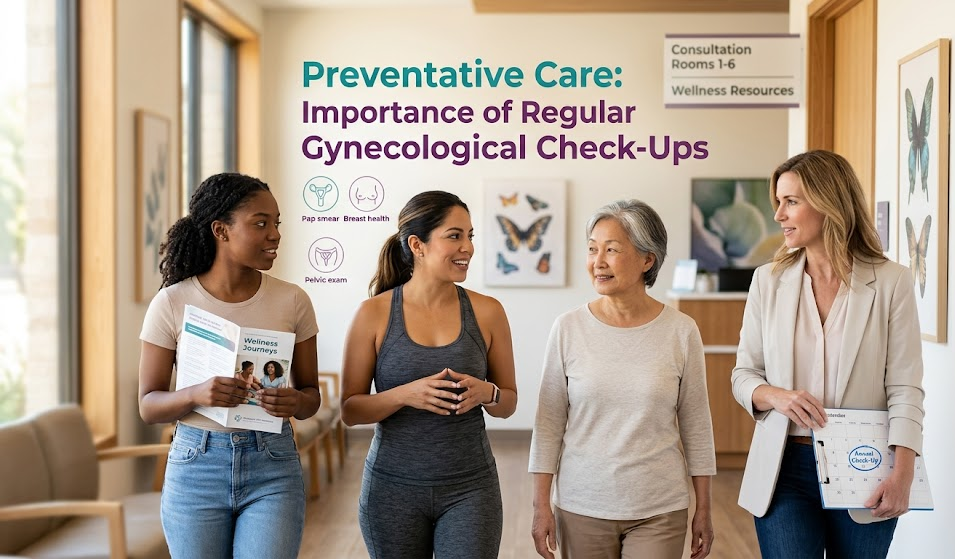
Regular check-ups like Pap smears, breast checks, and pelvic check-ups are aimed at the early detection of diseases like cervical cancer, infections, and hormonal imbalances. Having these check-ups is a step in the right direction, as women are taking the initiative in ensuring their health security and overall life standards are better.
Actually, promoting proactive health management has gained a major focus in contemporary healthcare, with more emphasis being given to prevention over treatment.
Understanding Gynecological Check-Ups
Gynecological examinations are detailed health assessments that are centered on the female reproductive system. The visits are usually done by a gynecologist or a trained healthcare provider and are usually recommended once a year, although the frequency can vary depending on age, medical history, and other individual risk factors.
What do we do during a Check-Up?
A routine gynecological check-up can consist of:
- A discussion of medical history and lifestyle
- Menstrual cycle evaluation
- Sexual health assessment
- Physical examinations
- Screening tests as required
Such appointments are also a chance where women may ask questions and talk about issues concerning reproductive health, fertility, or hormonal changes.
The Essential Screenings Every Woman Should Be Aware Of
Pap smear: Early Detection of Cervical Cancer
One of the most important screening tools of women’s healthcare is a Pap smear. It is the process of collecting cells from the cervix and finding abnormalities that may cause cervical cancer.
Why It Matters
Cervical cancer is a slow-growing cancer, and it may not reveal itself in the early stages. Precancerous changes can be detected by regular Pap smears; early intervention is possible, and the treatment outcomes can be significantly enhanced.
Recommended Frequency
- Women between 21 and 29: Every 3 years.
- Women between 30 and 65 years old: Every 3 to 5 years, with further HPV testing.
Breast Exams: Tracking Changes Over Time
Another vital part of a regular check-up is breast health. Clinical breast examinations aid in identifying lumps, abnormal changes, or abnormalities which could be signs of breast cancer or other issues.
Breast Exam Types
- Self-examination: Every month, at home.
- Clinical examination: Conducted by a medical practitioner.
- Mammography: Indicated by age and risk factors.
Early Detection is Important
Early detection of breast cancer gives the opportunity to treat the disease in a less invasive and more effective manner. Screening regularly can help a great deal in terms of decreased mortality rates.
Pelvic Exams: Determining Reproductive Health
A pelvic examination enables a medical professional to test the well-being of the uterus, ovaries, and other reproductive organs.
What It Detects
- Infections such as yeast or bacterial infections.
- Sexually transmitted infections (STIs).
- Fibroids or cysts in the ovaries.
- Symptoms of disorders of the reproductive system.
Pelvic examinations are particularly crucial in detecting problems that are not always symptomatic.
The Importance of Early Detection in Women
Early detection is one of the greatest benefits of frequent gynecological check-ups. Most severe health conditions are asymptomatic in the early stages and do not have any symptoms.
Conditions Detected Early
- Cervical cancer
- Breast cancer
- Ovarian cysts
- Endometriosis
- Hormonal imbalances
- Sexually transmitted infections
Early diagnosis can lead to simpler treatments, reduced medical expenses, and improved long-term results.
Improving Survival Rates
An example is that the rate of survival among cervical cancer cases diagnosed at an early stage is high as opposed to those diagnosed later. On the same note, complications like infertility or chronic pain can be avoided by the early diagnosis of infections.
Breaking the Stigma of Gynecological Visits
Although these check-ups are vital, not every woman schedules an appointment because of embarrassment, cultural beliefs, or fear of a diagnosis.
Common Barriers
- Anxiety about pain or discomfort.
- Lack of awareness.
- Stigma in culture or society.
- Concerns regarding test outcomes.
Changing the Narrative
In the modern healthcare setting, the comfort and confidentiality of the patient are important to healthcare providers. The experience is less intimidating, and modern clinics are designed to provide a friendly and respectful experience.
Women’s health education can be achieved through open discussion on the health of women so that more people can easily visit the clinic and consult the doctor without feeling embarrassed.
The Importance of Frequent Check-Ups in Promoting Overall Health

Gynecological health is directly correlated with physical and emotional health. Regular check-ups offer a comprehensive way of healthcare.
Beyond Reproductive Health
- Monitoring hormonal balance.
- Managing menstrual irregularities.
- Addressing sexual health issues.
- Providing contraception guidance.
- Mental health support regarding hormonal changes.
Such examinations will take into account every facet of the well-being of a woman and not just reproductive ability.
What to Do: When and How Often?
First Visit
Young women are usually advised to visit a gynecologist at the age of 13 to 15. This first visit might not involve a complete examination but is concentrated on education and connecting with healthcare.
Ongoing Visits
- Regular examinations every year are usually recommended.
- Frequency can be increased according to illnesses or risk factors.
- Consistency is key. Frequent visits are used to monitor progress and guarantee continuity of care.
How to Prepare for an Appointment
Most women experience anxiety about their initial or even regular visits. This anxiety can be alleviated by preparation.
Suggestions for a Comfortable Experience
- Make your appointment when you are not on your period (unless necessary).
- Pre-write questions or concerns.
- Report on your medical history and symptoms.
- Wear comfortable clothing.
It can be easier to grasp what to anticipate and feel more comfortable when you are prepared.
The Long-Term Effect of Preventive Care
Investing in preventive healthcare has lasting benefits. Gynecological check-ups help ensure a healthier future as there is less risk of serious diseases and complications.
Key Long-Term Benefits
- Less risk of diseases at an advanced stage.
- Improved reproductive health.
- Increased life expectancy.
- Improved quality of life.
Preventive care is not merely a question of staying out of trouble, but rather being full of life and confidence throughout your life stages.
Promoting a Culture of Active Health
The world is changing toward preventive models of healthcare. Encouraging women to make regular check-ups a priority is an important component of this change.
Building Awareness
- Educational campaigns.
- Community outreach programs.
- Free talks within families and schools.
Empowering Women
Women will be more likely to be in control of their health when informed and supported. This empowerment will result in improved decision-making and healthier communities.
Conclusion
One of the fundamentals of preventive healthcare is regular gynecological check-ups. They offer a chance to observe possible health problems at a young age, get professional assistance, and live in good health.
Women can greatly decrease health risks and achieve better results by adopting regular screenings (Pap smears, breast tests, pelvic exams, etc.). To make these visits a normal and empowering aspect of life, it is necessary to overcome fear and stigma.
After all, these check-ups are not only a medical choice but also a promise to long-term well-being, self-confidence, and quality of life.