Hyundai SmartSense features is a key element of Hyundai’s modern vehicle technology, making advanced safety an integral component of its modern fleet. SmartSense is not just a single technology, but a set of driver-assistance features to help drivers spot potential dangers, stay in lane, observe traffic around them and control speed. The system can feature Forward Collision-Avoidance Assist, Blind-Spot Collision Warning, Lane Keeping Assist, Lane Following Assist and Smart Cruise Control depending on the Hyundai model and trim.
As a buyer, it is vital that you are aware of these features as SmartSense equipment may differ for Hyundai models, trims and model years. Most of these technologies are standard on some cars, but not necessarily on others, and some may be found on higher trims only. SmartSense is meant to assist the driver, not replace him or her; so, drivers are still required to pay attention and control the vehicle.
What is Hyundai SmartSense
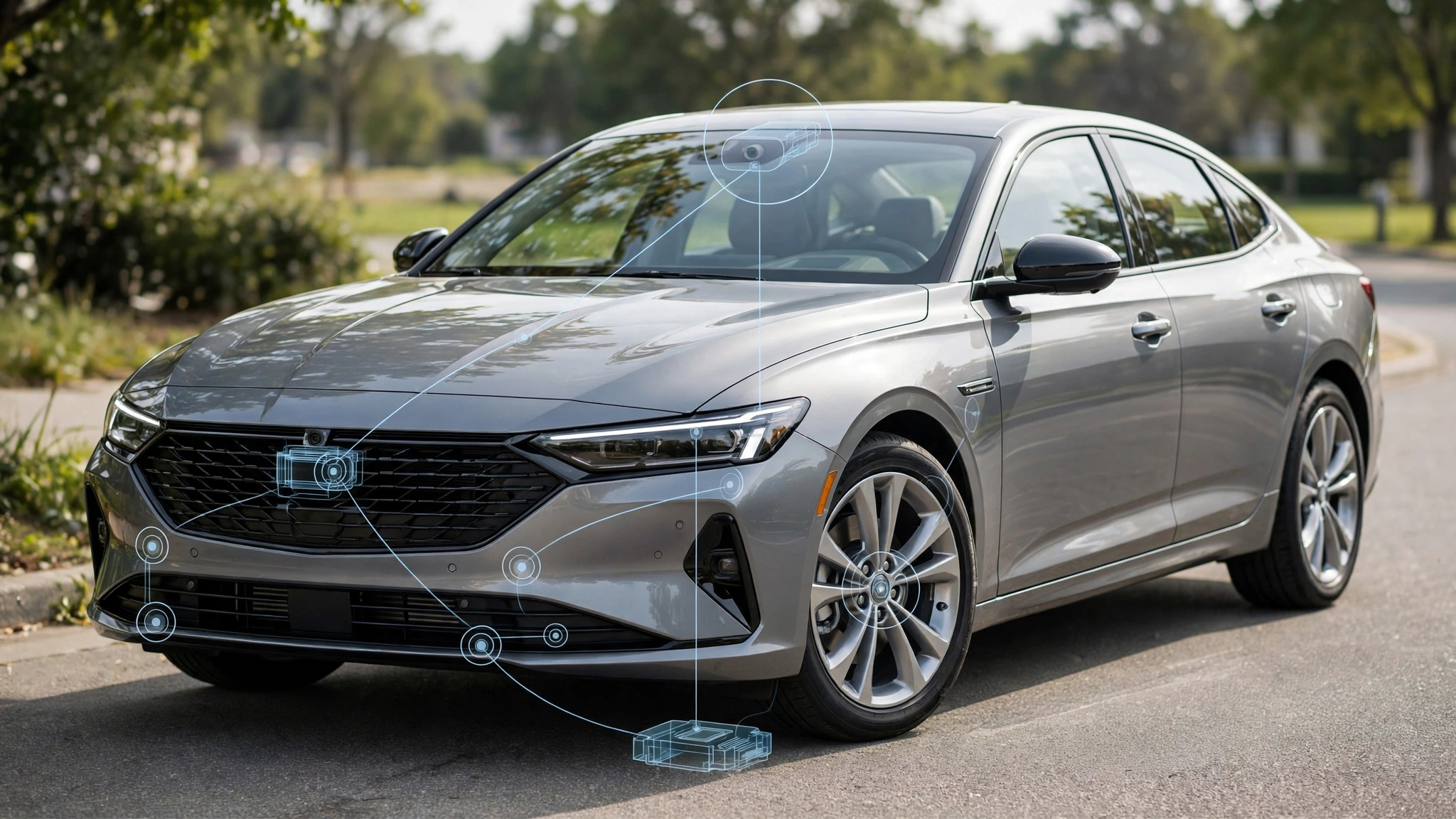
The SmartSense suite of advanced driver-assistance systems on Hyundai are several technologies that rely on cameras, radar and other sensing systems to watch the car’s surroundings. These systems can alert the driver to potential hazards, assist him in steering, brake for the driver, or help maintain a safe distance from another vehicle, depending on the feature.
Hyundai’s SmartSense suite is the collection of technologies available across Hyundai’s lineup. The Hyundai model and trim determines what the SmartSense package contains. Depending on the car, it may come with multiple items as standard, more advanced technology items may be available on higher trims. To this end, buyers should always verify the equipment list of the particular Hyundai that they are looking for, instead of assuming that all the models are equipped with the same SmartSense technology.
Forward Collision-Avoidance Assist
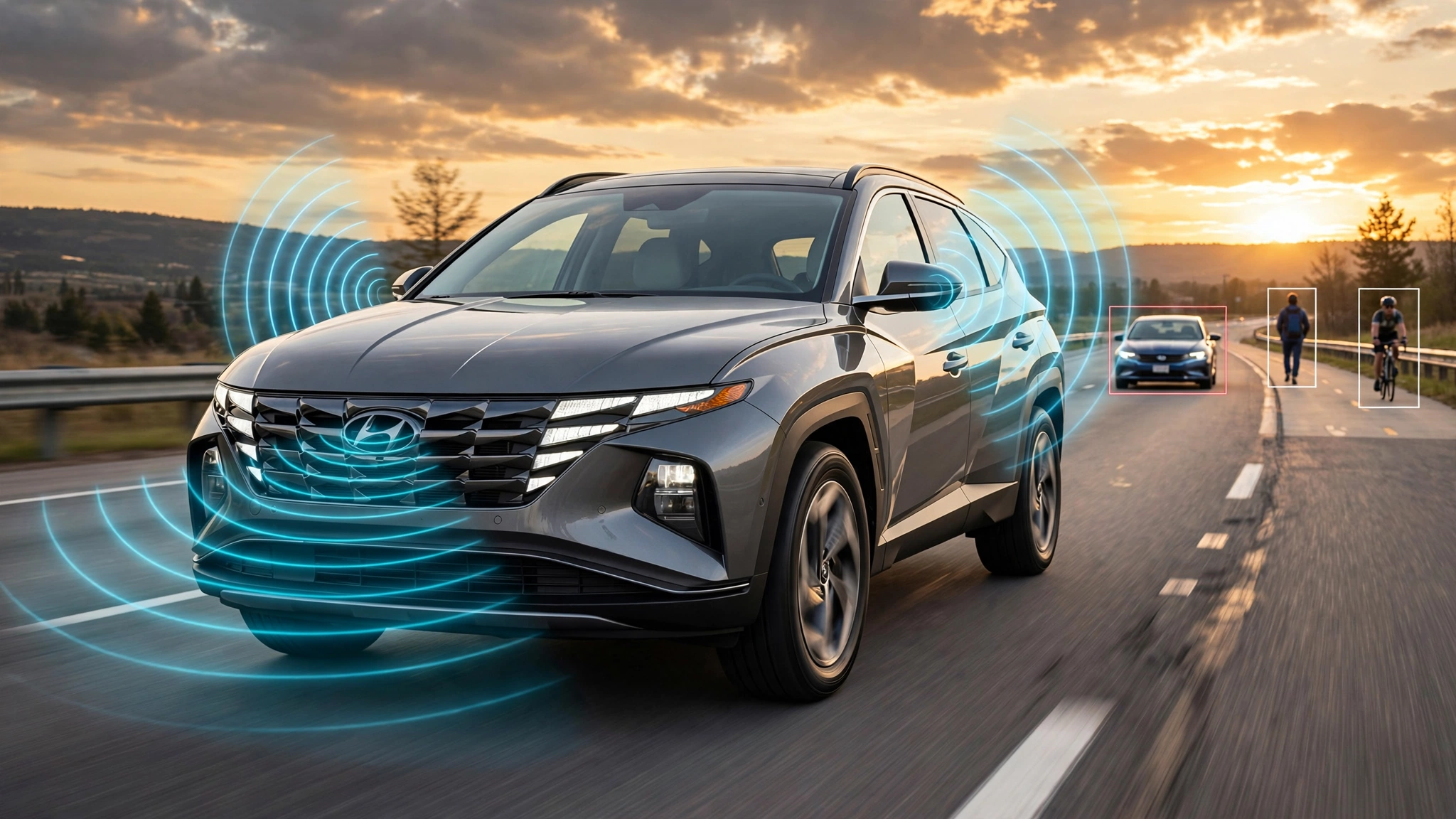
FCAA is a system that is intended to detect the road ahead and alert the driver if a collision is imminent. The system can identify vehicles, pedestrians and cyclists depending on the version. In some cases the system can assist the driver by applying the brakes if he or she takes too long to react, helping to minimise or prevent a collision.
This might be useful when traffic suddenly slows down or stops. It doesn’t mean that a collision will be avoided, however. The system may have different performance in rainy weather and other weather conditions, and on other road conditions, including snow and ice, and in poor light conditions. Drivers are thus required to monitor the road and self-manage if it is needed.
Identifying pedestrians or cyclists.
Forward Collision-Avoidance Assist is available on some Hyundai models, and extends collision detection to include pedestrians and cyclists. Some are also able to offer support during intersection turns when they spot a vehicle coming at them that pose a likelihood of collision.
The added benefits of these features are that they can offer an extra level of protection in busy areas where vehicles are travelling on the same road as pedestrians and cyclists. However, no driver should rely solely on automatic detection and remain vigilant of intersections, crosswalks and other traffic around them.
Blind-Spot Monitoring

The driver is able to see vehicles that may not be visible around the side mirrors with blind-spot technology. The Blind-Spot Collision Warning and Blind-Spot Collision-Avoidance Assist are among the features Hyundai is using. The system can alert the driver when another vehicle is in the blind spot and can offer further assistance in some instances during lane change maneuvers, depending on the system.
Blind-spot monitoring may be particularly useful on highways and on multilane roads. Drivers should, however, check their mirrors, indicate to other road users using their turn signals, and look at the surrounding area before changing lanes. The system should be used to supplement the normal observation, not replace it.
Blind-Spot View Monitor
Additionally, some Hyundai vehicles come with Blind-Spot View Monitor, which can show the camera picture of the space next to the car when the driver presses the turn signal. This can give additional information than a conventional blind-spot warning light.
Sometimes this feature is helpful when driving through heavy traffic and changing lanes often. The camera view should be used as supplemental to the driver’s mirror check and direct observation of the surroundings, however.
Lane Keeping Assist and Lane Following Assist.
Lane Keeping Assist is intended to assist in the event of unintentional lane departure. Based on information from cameras and other sensors, the system can alert drivers and, in suitable circumstances, assist them with driving in their lane.
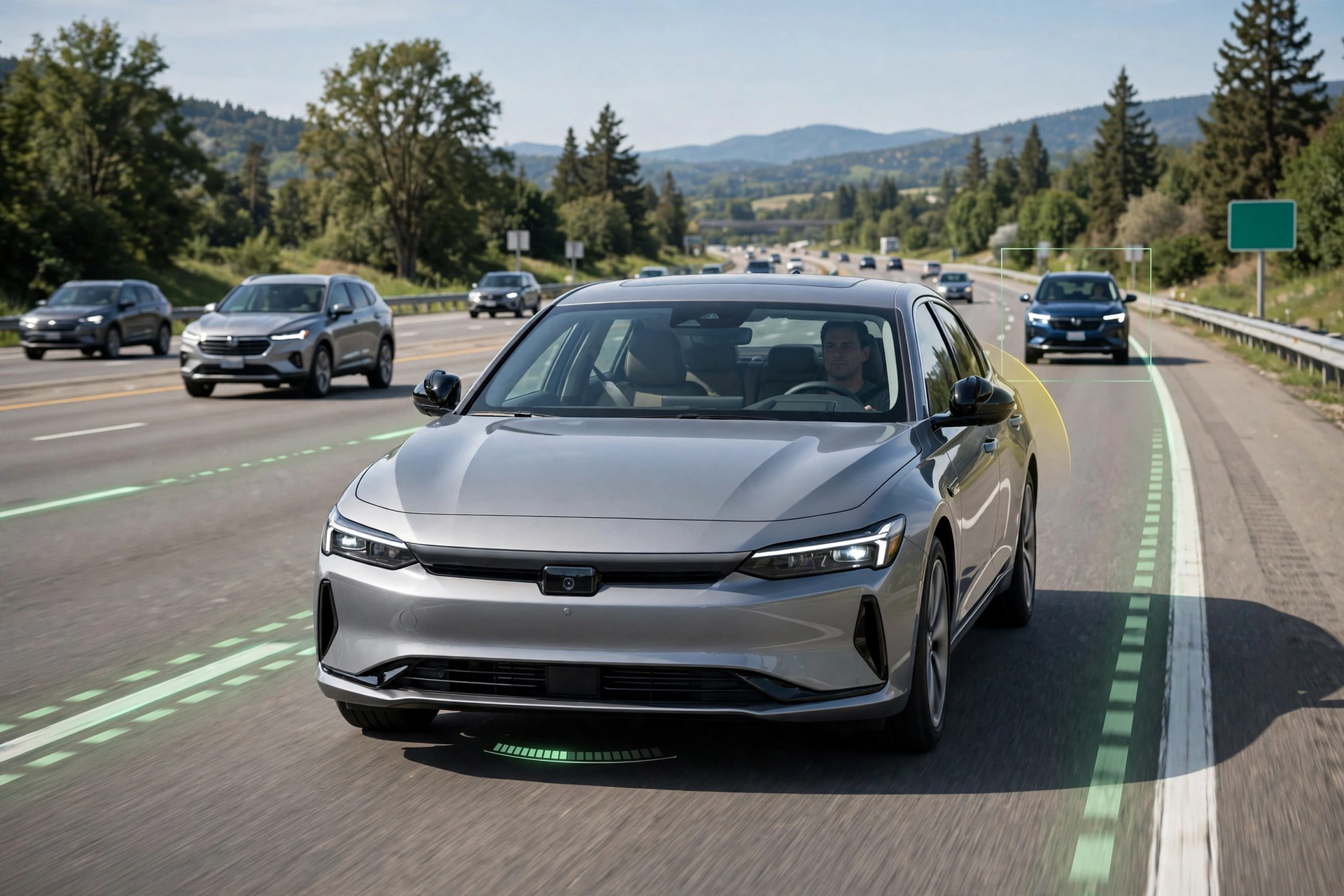
Lane Following Assist offers continuous assistance of lane positioning. May assist vehicle in keeping in the lane in appropriate driving situations. While these technologies can ease the driver’s workload in long-distance highway driving, they are not intended to take away the driver’s responsibility to drive and watch the road.
Smart Cruise Control
Hyundai’s adaptive cruise-control is called Smart Cruise Control. Smart Cruise Control is not the same as a traditional cruise control, which normally controls the selected speed, but can reduce the car’s speed when there is congestion before it. It can provide the set distance of following and reduce the speed of the vehicle when the traffic slows down.
The technology can help pave the way to lessen the discomfort for highway driving, especially on long journeys. There are also some Hyundai models that include Stop & Go as an option, which can be more helpful when driving in slower traffic. Drivers should always be cautious however, as the vehicle cannot be driven by itself and Smart Cruise Control may not be able to react to all traffic scenarios.
Highway Driving Assist
Highway Driving Assist is a mixture of technologies like Smart Cruise Control and Lane Following Assist, which offer extra assistance when driving on a highway. Depending on the vehicle and system version it can assist to keep the vehicle in the lane and to keep a distance to traffic in front.
This may relieve some of the monotony in steering and speed control for the driver who is frequently on the road on major highways. Highway Driving Assist is still a driver-assistance technology, however. Drivers should keep their eyes on the traffic, focus on the road and be prepared to take charge.
Hyundai Trims: Which ones have SmartSense?
The SmartSense can differ significantly depending on the Hyundai model in the Hyundai range and the trim level. Entry-level models may be standard with multiple safety features and higher level trims may not offer these features. For instance, the model and trim of a current Hyundai will vary in SmartSense features.
Therefore, it is important to know exactly what equipment you wish for in a Hyundai purchase. If they are important to the buyer, they should specifically search for the following features: Forward Collision-Avoidance Assist, blind-spot technology, Lane Keeping Assist, Lane Following Assist, Smart Cruise Control, and Highway Driving Assist. It’s also important to make sure that buyers of used cars are aware of the exact year of the car since the equipment may change over time.
SmartSense Features aiding in Safety Ratings
While driver-assistance features and the official crash-test ratings are not synonymous, SmartSense can be a part of a vehicle’s overall safety package. The National Highway Traffic Safety Administration and the Insurance Institute for Highway Safety are other organizations that use their own tests to rate vehicles.
Several Hyundai models and model years have been well-rated for safety and been awarded safety ratings. However, when considering the safety of a specific model, buyers should check the official rating for the car/vehicle in question, and not make assumptions that all SmartSense-equipped Hyundai models are the same. All three of those factors should be taken into account when you’re viewing crash-test results, safety features and driver-assistance technology.
Importance of SmartSense
In many real life driving situations, SmartSense can be helpful. Forward Collision-Avoidance Assist can assist in detecting potential obstacles in front of the vehicle, blind-spot detection systems can give additional awareness while changing lanes, lane assist can help position the vehicle, and Smart Cruise Control can help alleviate the drivers duty of maintaining the speed and distance between vehicles.
The greatest benefit is that these technologies can be used to offer another level of support to the driver without altering the core of the driving job. They can help to enhance convenience and confidence, but should not lead to drivers becoming less attentive. These systems can be impacted by weather, road conditions, sensor limitations, and other unforeseen traffic conditions.
Final Verdict
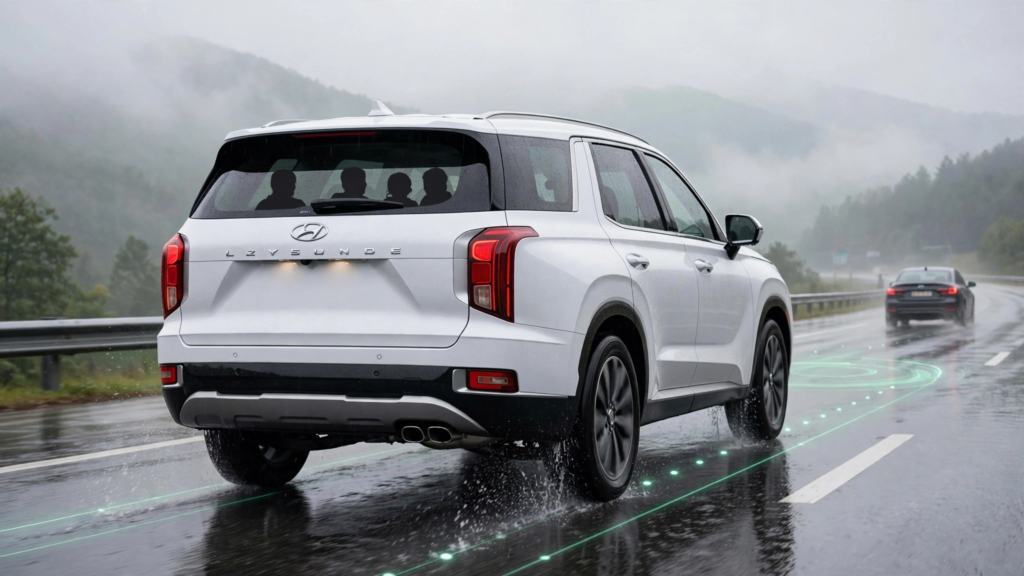
Hyundai SmartSense is a helpful suite of driver assistance features that can help make today’s Hyundai vehicles easier and safer to drive. Forward Collision-Avoidance Assist, Blind-Spot Collision Warning, Lane Keeping Assist, Lane Following Assist, Smart Cruise Control and Highway Driving Assist cover various issues in daily driving.
The most crucial thing for buyers to do is to ascertain exactly what the model and trim has in its home row. SmartSense is not the same for all of Hyundai’s models and might differ by model year. These technologies can offer great support, enhance awareness and boost driver confidence if properly implemented and when drivers use them correctly.