Choosing the right solar inverter is a critical step in the installation of a solar power system for your home. The inverter converts the DC power generated by your solar panels into AC power, which is used by your household appliances. Selecting the right inverter can help maximize the efficiency of your system and ensure its longevity. In this guide, we’ll walk you through the key factors to consider when choosing a solar inverter and how to make an informed decision.
1.Understanding Different Types of Solar Inverters
Solar inverters can be categorized based on system application and functionality. Understanding the differences between on-grid, off-grid, and hybrid inverters will help you choose the most suitable solution for your energy needs.
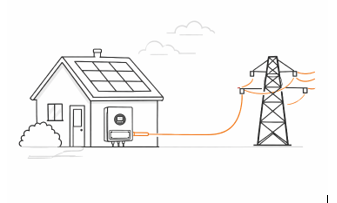
- On-grid Inverters (Grid-tied Inverters): On-grid inverters are designed to work in systems connected to the utility grid. They convert DC power generated by solar panels into AC power and feed it into the electrical panel for use or export to the grid.
These inverters are commonly used in residential and commercial applications where stable grid access is available. They are cost-effective and efficient, especially in systems with consistent sunlight conditions. However, they typically shut down during grid outages for safety reasons and cannot provide backup power.

- Off-grid Inverters: Off-grid inverters operate independently of the utility grid and are designed for standalone systems. They convert DC power from solar panels or batteries into AC power to supply loads directly.
These systems require battery storage to ensure continuous power supply, especially during nighttime or low solar generation periods. Off-grid inverters are ideal for remote areas without grid access but usually involve higher system costs due to the need for batteries and additional components.

- Hybrid Inverters: Hybrid inverters combine the functionalities of both on-grid and off-grid systems. They can manage power from solar panels, batteries, and the grid, enabling flexible energy usage and storage.
These inverters allow users to store excess solar energy in batteries for later use, provide backup power during outages, and optionally feed surplus electricity back to the grid. Hybrid systems offer greater energy independence and system flexibility, making them suitable for users seeking both reliability and efficiency.
2. Consider Inverter Size and Capacity
Selecting the right inverter size is crucial for ensuring your solar system works efficiently.
- Inverter Capacity: The size of your inverter should match the energy production of your solar panel system.If the inverter capacity is too small, it will be unable to handle the power generated by the PV panels, resulting in inefficiency. Conversely, an oversized inverter can result in wasted energy and unnecessary expense. The inverter capacity is generally measured in kilowatts (kW) and should be carefully matched to your system’s output.
- Peak Performance: Some inverters are designed to handle peak energy production times. If your solar system produces a significant amount of energy during the day, especially on very sunny days, make sure the inverter can manage these higher loads. This ensures your system remains efficient even under optimal sunlight conditions.
3. Efficiency and Performance Monitoring
Inverter efficiency directly affects the performance of your solar system. A higher-efficiency inverter ensures that more of the power generated by your solar panels is converted into usable electricity.
- Efficiency Ratings: Inverter efficiency is typically rated between 95% and 99%. Higher efficiency means less power is lost during conversion, which is especially important if you want to maximize your energy savings. Look for an inverter with a high European Efficiency rating, which takes into account typical real-world conditions.
- Performance Monitoring: Many modern inverters come with monitoring systems that allow you to track your solar system’s performance in real-time. This can be done through an app or a web portal. Monitoring tools help identify issues early on, such as performance drops or system malfunctions, enabling you to take corrective action quickly.
4. Warranty and Manufacturer Support
A good warranty and reliable manufacturer support are essential when choosing an inverter, as they provide peace of mind in case anything goes wrong with your system.
- Warranty: Most solar inverters come with warranties ranging from 5 to 12 years, depending on the brand and model. Longer warranties are often a sign of a quality product and can save you money on repairs or replacements down the road. Be sure to check the details of the warranty, including what is covered and any potential limitations.
- Customer Support: Choose a solar inverter manufacturer with a strong reputation for customer service. This includes support for installation, troubleshooting, and answering any questions you may have. A manufacturer that offers prompt and helpful support can make a big difference in the overall experience of setting up and maintaining your solar system.
Many established brands, such as Felicity Solar, place a strong emphasis on after-sales service and technical support, helping users resolve issues efficiently and ensuring a smoother system operation over time.
Conclusion
Selecting the right solar inverter for your home involves considering factors such as the type, size, efficiency, and warranty of the inverter. By choosing the appropriate inverter, you can ensure that your solar power system operates at peak performance and continues to save you money for years to come. Take the time to consult with a professional installer or a reputable solar inverter manufacturer to ensure you select the right product for your home’s energy needs.