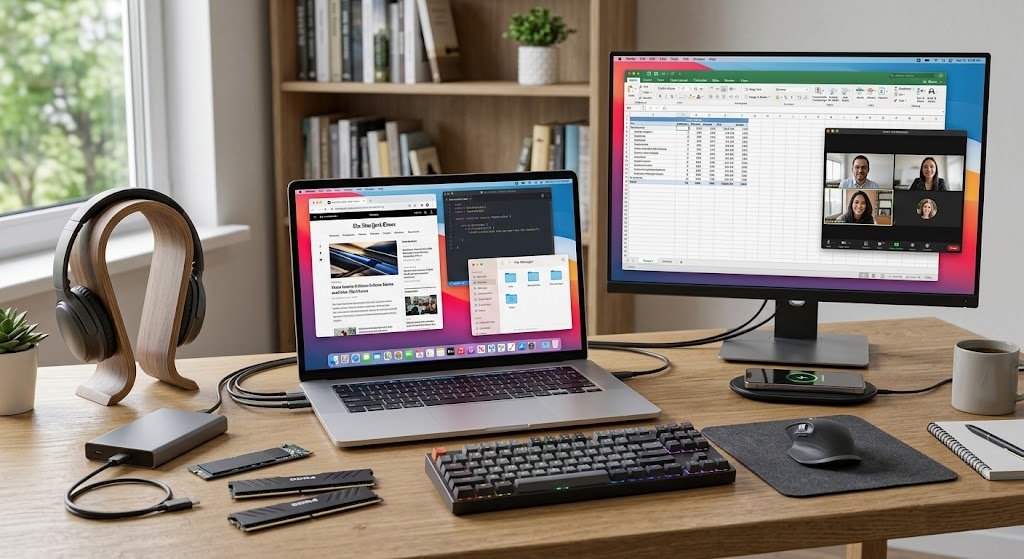
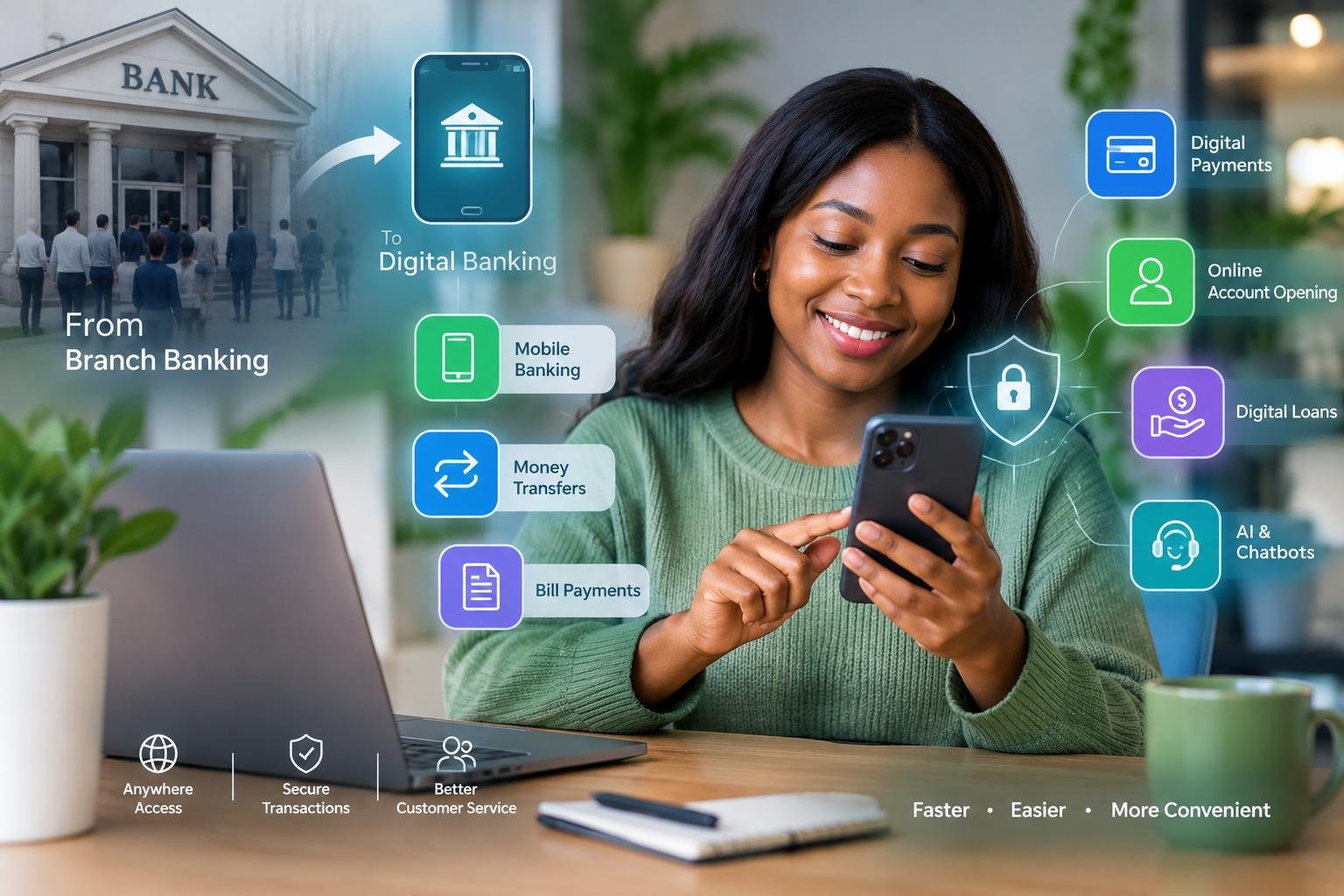
In 2026, internet connectivity is no longer a luxury—it’s the backbone of modern living. Whether you’re working remotely, attending online classes, streaming 4K movies, gaming competitively, or managing a smart home ecosystem, your broadband connection plays a central role in your daily routine. Yet, choosing the right broadband plan isn’t always straightforward. With a wide range of providers, varying speeds, pricing tiers, and hidden conditions, many households struggle to find the perfect fit.
Modern internet providers like Excitel have simplified the process by offering high-speed fiber plans, unlimited data, and transparent pricing structures. However, even with these improvements, understanding your own internet needs remains the most important step before making a decision.
This comprehensive guide will help you navigate every aspect of choosing the best broadband plan for your home in 2026.
Understanding Broadband Speed
Internet speed is typically measured in Mbps (megabits per second), which indicates how quickly data is transferred from the internet to your device. While it might seem logical to simply choose the highest speed available, that approach can lead to unnecessary expenses.
Here’s a practical breakdown of speed requirements:
- 25–50 Mbps: Suitable for individuals or couples who mainly browse websites, check emails, and use social media.
- 100 Mbps: Ideal for small households with moderate streaming and occasional video calls.
- 200–300 Mbps: Perfect for families with multiple users streaming, gaming, and working simultaneously.
- 500 Mbps and above: Best for heavy users, large households, and smart homes with multiple connected devices.
The goal is not to get the fastest plan available but to match your internet speed with your actual usage patterns. Overpaying for unused bandwidth is a common mistake.
Download Speed vs Upload Speed
Most users focus on download speed, but upload speed is just as important in 2026.
- Download speed affects how quickly you can stream videos, load websites, and download files.
- Upload speed determines how efficiently you can send data, such as during video calls, file uploads, or cloud backups.
With the rise of remote work and content creation, upload speed has become increasingly critical. Fiber broadband providers like Excitel offer symmetrical speeds, meaning your upload and download speeds are equal. This ensures smoother video calls, faster file sharing, and better overall performance.
Why Unlimited Data Matters
One of the biggest shifts in broadband services in recent years is the widespread adoption of unlimited data plans.
Previously, many internet service providers imposed data caps, which meant:
- Reduced speeds after exceeding limits
- Additional charges for extra usage
- Constant monitoring of data consumption
In 2026, these limitations are largely outdated. Unlimited broadband plans have become the standard, especially for fiber connections.
Benefits of Unlimited Data:
- No data usage anxiety
- No overage fees
- Consistent speeds without throttling
- Better experience for streaming, gaming, and remote work
Given how much data modern households consume, an unlimited plan is no longer optional—it’s essential.
Identifying Your Internet Needs
Before selecting a broadband plan, you need to evaluate how your household uses the internet. Different usage patterns require different speeds and features.
Casual Users
If your internet usage is limited to browsing, social media, and emails, a 50–100 Mbps plan will be sufficient. There’s no need to pay for higher speeds unless your usage increases.
Streaming Households
Streaming platforms demand more bandwidth, especially with HD and 4K content becoming standard.
- HD streaming: ~5–10 Mbps per device
- 4K streaming: ~25 Mbps per device
For families with multiple streaming devices, a 100–200 Mbps plan is ideal.
Remote Workers
Working from home requires stable and reliable internet. Video conferencing tools, cloud applications, and file sharing depend on consistent speeds.
A 100 Mbps connection with good upload speed is typically enough for most professionals.
Gamers
Online gaming relies more on low latency (ping) than raw speed. However, higher speeds help with faster downloads and updates.
A 200 Mbps plan ensures smooth gameplay and minimal lag, especially in multiplayer environments.
Smart Homes
Modern homes often include:
- Smart TVs
- Security cameras
- Voice assistants
- IoT devices
These devices continuously use bandwidth in the background. A 300 Mbps or higher plan ensures everything runs smoothly without interruptions.
Choosing the Right Connection Type
Not all broadband connections are created equal. In 2026, fiber-optic broadband has become the gold standard.
Why Fiber is the Best Choice:
- Ultra-fast speeds
- Low latency
- Reliable performance
- Better scalability for future needs
Unlike older technologies like DSL or cable, fiber delivers consistent performance even during peak usage hours. Providers like Excitel focus heavily on fiber infrastructure, making them a preferred choice for modern households.
Comparing Price vs Value
Price is often the deciding factor, but choosing the cheapest plan can backfire. Instead of focusing solely on cost, consider the overall value.
Key Factors to Evaluate:
- Cost per Mbps: Are you getting good speed for the price?
- Included features: Free router, OTT subscriptions, or installation
- Reliability: Consistent performance without downtime
- Customer service: Quick support when issues arise
Sometimes, paying slightly more ensures a significantly better experience.
Hidden Costs to Watch Out For
Broadband plans often come with additional charges that aren’t immediately obvious. Always read the fine print before subscribing.
Common Hidden Costs:
- Installation or activation fees
- Router rental charges
- Taxes and service fees
- Early termination penalties
Transparent providers clearly list these costs upfront, helping you avoid unpleasant surprises.
Importance of Customer Support
Even the best internet connections can occasionally experience issues. That’s where customer support becomes crucial.
What to Look For:
- 24/7 availability
- Fast response times
- Multiple support channels (chat, phone, email)
- Positive customer reviews
Reliable support ensures minimal downtime and quick resolution of problems.
Latency and Reliability
Speed isn’t everything—latency and reliability also play a significant role in your internet experience.
- Latency (ping): Measures how quickly data travels between your device and the server. Lower latency is better, especially for gaming and video calls.
- Reliability: Consistent uptime without frequent disconnections
Fiber connections generally offer both low latency and high reliability, making them ideal for modern usage.
Router Quality and Placement
Your broadband plan is only as good as your home network setup. A high-speed plan won’t perform well if your router is outdated or poorly placed.
Tips for Better Performance:
- Use a modern dual-band or tri-band router
- Place the router in a central location
- Avoid physical obstructions like walls
- Consider mesh systems for large homes
Some providers include routers in their plans, which can add value.
Future-Proofing Your Broadband Plan
Internet usage continues to grow rapidly. What works today may not be enough tomorrow.
Consider Future Needs:
- More connected devices
- Increasing video quality (4K → 8K)
- Remote work and online education
- Cloud-based applications
Choosing a slightly faster plan now can save you the hassle of upgrading later.
Contract vs No-Contract Plans
Another important factor is whether the plan requires a long-term commitment.
Contract Plans:
- Lower monthly cost
- May include perks
- Early termination fees apply
No-Contract Plans:
- More flexibility
- Easier to switch providers
- Slightly higher cost
Choose based on your flexibility and long-term needs.
Bundled Services and Add-Ons
Many providers offer additional services bundled with broadband plans.
Common Add-Ons:
- OTT streaming subscriptions
- Free installation
- Wi-Fi routers
- Security packages
While these can add value, make sure they align with your actual needs.
Local Availability and Infrastructure
Not all broadband providers are available in every area. Even within the same city, service quality can vary.
Before choosing a plan:
- Check availability in your area
- Read local reviews
- Ask neighbors about their experience
Local infrastructure plays a big role in performance.
Environmental and Energy Considerations
With growing awareness about sustainability, some users consider the environmental impact of their internet usage.
Fiber networks are generally more energy-efficient compared to older technologies, making them a better long-term choice.
Final Thoughts
Choosing the best broadband plan for your home in 2026 is about finding the right balance between speed, price, and reliability. While high-speed fiber plans with unlimited data have become the norm, your decision should ultimately depend on your household’s specific needs.
For most users, a 100–200 Mbps unlimited fiber plan offers the perfect combination of performance and affordability. Larger households or tech-heavy environments may benefit from higher speeds.
By understanding your usage patterns, comparing plans carefully, and considering future needs, you can ensure a seamless and hassle-free internet experience for years to come.
The right broadband plan doesn’t just connect you to the internet—it powers your entire digital lifestyle.