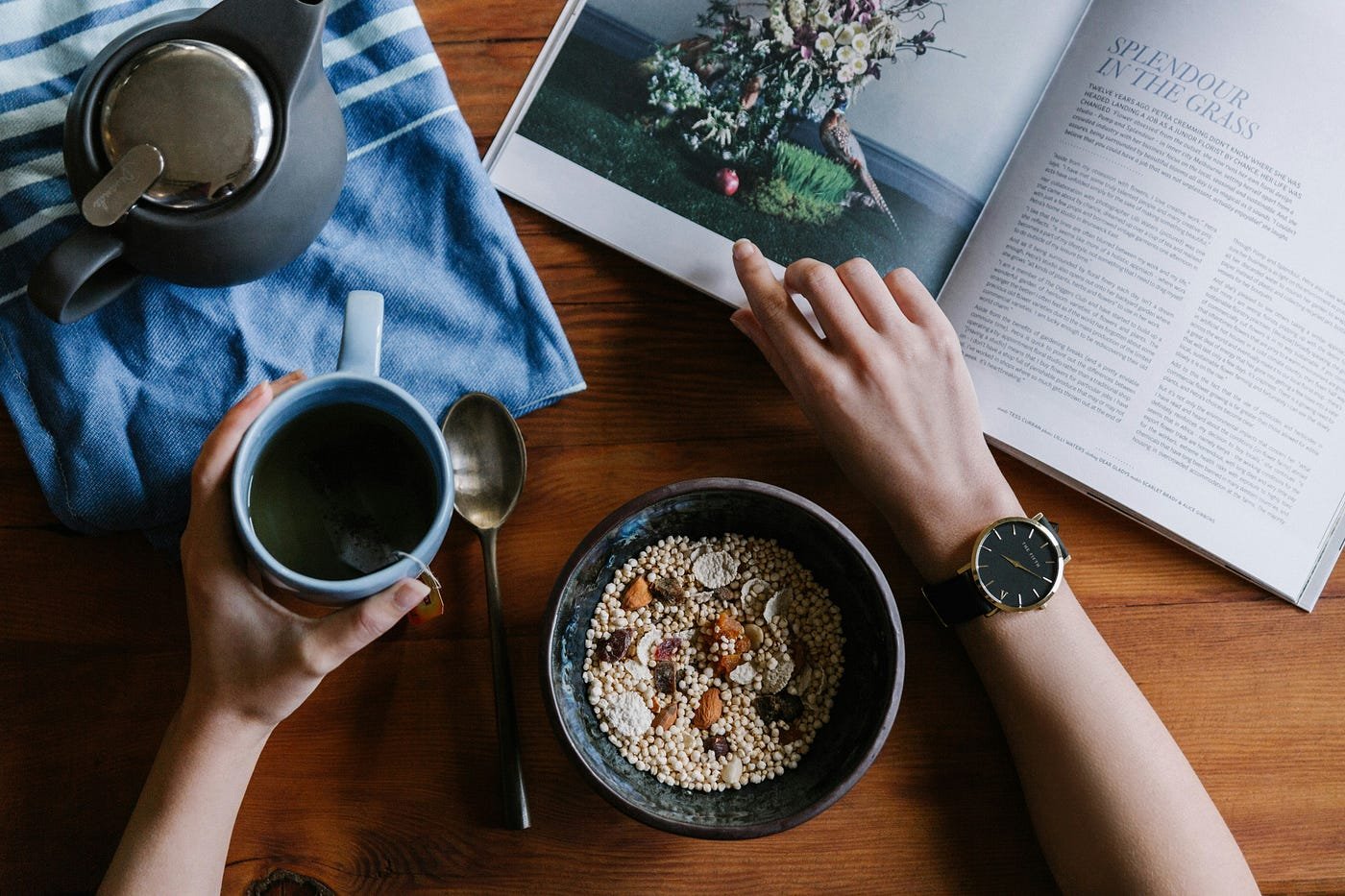
Most advice about feeling better in daily life arrives as a long list of things you are not doing. Wake at five. Meditate for an hour. Overhaul your diet. It is no wonder so many good intentions collapse by the second week.
A gentler approach starts from a different question: what is the smallest change that would make today a little easier? Small adjustments are simple to try, cheap to abandon if they do not suit you, and surprisingly effective at shifting the mood of an ordinary day. The ideas below are general lifestyle suggestions, not medical advice. If you have a health concern, a qualified professional is always the right person to ask.
Why Small Changes Work Better Than Big Resolutions
Big resolutions rely on motivation, which rises and falls. Small habits rely on repetition, which builds quietly. A ten-minute walk after lunch does not require a perfect week or a new wardrobe. It only requires shoes and a decision.
Small changes also protect you from the all-or-nothing trap. Missing one session of a ten-minute habit feels trivial, so you start again the next day. Missing a ninety-minute workout often feels like failure, and that feeling can end the whole effort.
Treat Sleep as a Daily Appointment
Few habits shape a day as strongly as how you handle the hours around bedtime. You do not need a complicated system, just a few consistent signals that tell your body the day is finishing.
Keep your bedtime and wake time within a reasonable range, even on weekends. Dim the lights an hour before bed and put your phone on charge outside arm’s reach. Keep the bedroom cool, dark and quiet if you can. If your mind races at night, jot tomorrow’s tasks on paper so they are not circling in your head.
None of this guarantees a perfect night, but it removes common obstacles and gives good sleep a better chance of showing up.
Add Walking Without Making It a Project
Walking is probably the most underrated lifestyle habit. It needs no equipment, no booking and no particular fitness level.
Look for natural openings in your day. Get off the bus one stop early. Take your phone calls on foot. Walk to a café a little farther away instead of the nearest one. Suggest a walking meeting to a colleague. Each of these adds only a few minutes, yet together they can change how often you move.
Pair walking with something you enjoy, such as a podcast, a favourite playlist or a conversation with a friend, and it quickly shifts from obligation to treat.
Find a Few Minutes of Quiet
Mindfulness sounds grand, but at its simplest it means paying attention on purpose for a short while. You can practise it without any app or special cushion.
Try pausing for one minute before opening your laptop and noticing your breathing. Drink your morning tea without looking at a screen. When you wash dishes, focus on the warm water and the sounds. These tiny pauses create gaps in a busy day where your attention can reset.
If you enjoy structure, free guided-breathing recordings are widely available. Treat them as an optional extra rather than a requirement.
Step Outside More Often
Many of us spend nearly all our waking hours indoors, moving between home, office and transport. A little time outdoors, especially in daylight, can make a day feel noticeably more open.
Take your lunch to a park bench. Read your book on a balcony. Do your stretching beside an open window. Even five minutes of fresh air and natural light can serve as a useful pause.
Access matters, though. It is easier to build an outdoor habit when a garden, track or waterfront is a short walk away. That is why people often consider nearby green space when deciding where to live. In the Jurong Lake District, for instance, Lucerne Grand is frequently described as being close to Jurong Lake Gardens, the kind of proximity that can make a quick morning stroll easier to repeat. Whether that suits you will depend on your own routine, and it is always worth visiting an area to judge for yourself.
Pay Gentle Attention to Food and Water
You do not have to follow a strict diet to feel more comfortable through the day. Small, repeatable choices tend to work best.
Keep a water bottle where you can see it. Eat breakfast, or a first meal, that includes something filling. Add one extra vegetable to dinner. When possible, eat away from your desk so lunch feels like an actual break.
If you want to cook more, choose two or three simple recipes you can make without thinking and rotate them. Familiarity makes healthy habits easier to maintain on tired evenings.
Set Digital Boundaries
Constant notifications are a modest but persistent source of stress. A few boundaries can ease the pressure without requiring you to disappear from the world.
Turn off non-essential alerts, especially for social apps. Pick two or three times a day to check email rather than responding instantly. Try a screen-free first or last half hour of the day. If scrolling is a habit, move the most tempting apps off your home screen so opening them takes an extra step.
These small frictions often reduce time spent on a phone far more effectively than relying on willpower alone.
Invest in Everyday Connection
Well-being is not only about personal habits. Regular, low-key contact with other people tends to make days feel richer. That does not require large gatherings. A weekly coffee with a friend, a quick chat with a neighbour or a shared walk with a family member all count.
Living close to the places you use often can make these moments easier to maintain. Areas with convenient transport and everyday amenities nearby, such as the Lentor area in northern Singapore, where Lentor Heights is one of the residential projects described as being near a Thomson-East Coast Line station, are the kind of neighbourhoods that can make spontaneous meet-ups less of an effort. Each person weighs these factors differently, and convenience is only one of many considerations when choosing a home.
Track Progress Lightly
You do not need a spreadsheet to know whether a habit is helping. A simple weekly question is enough: “Do I feel a little better, a little calmer or a little more energised than last month?”
If the answer is yes, keep going. If it is no, adjust rather than quit. Perhaps the walk should happen in the morning instead of the evening, or the bedtime routine needs to start thirty minutes earlier. Treat each habit as an experiment, not a verdict on your character.
A Short Starter List
If you feel overwhelmed, choose just one of these for the next seven days:
- Walk for ten minutes after one meal each day.
- Put your phone to charge outside the bedroom.
- Spend five minutes outside before starting work.
- Drink a glass of water first thing in the morning.
- Message one friend to arrange a coffee.
Once a habit feels automatic, add another. There is no rush, and there is no ideal order.
Final Thoughts
Feeling better in everyday life rarely requires a dramatic transformation. More often it comes from a handful of small, kind choices repeated until they become part of how you live: a steadier bedtime, a short walk, a quiet minute, a little fresh air and a friendly conversation.
Pick one change, give it a week and see how it feels. Small steps may not look impressive from the outside, but they have a way of adding up.