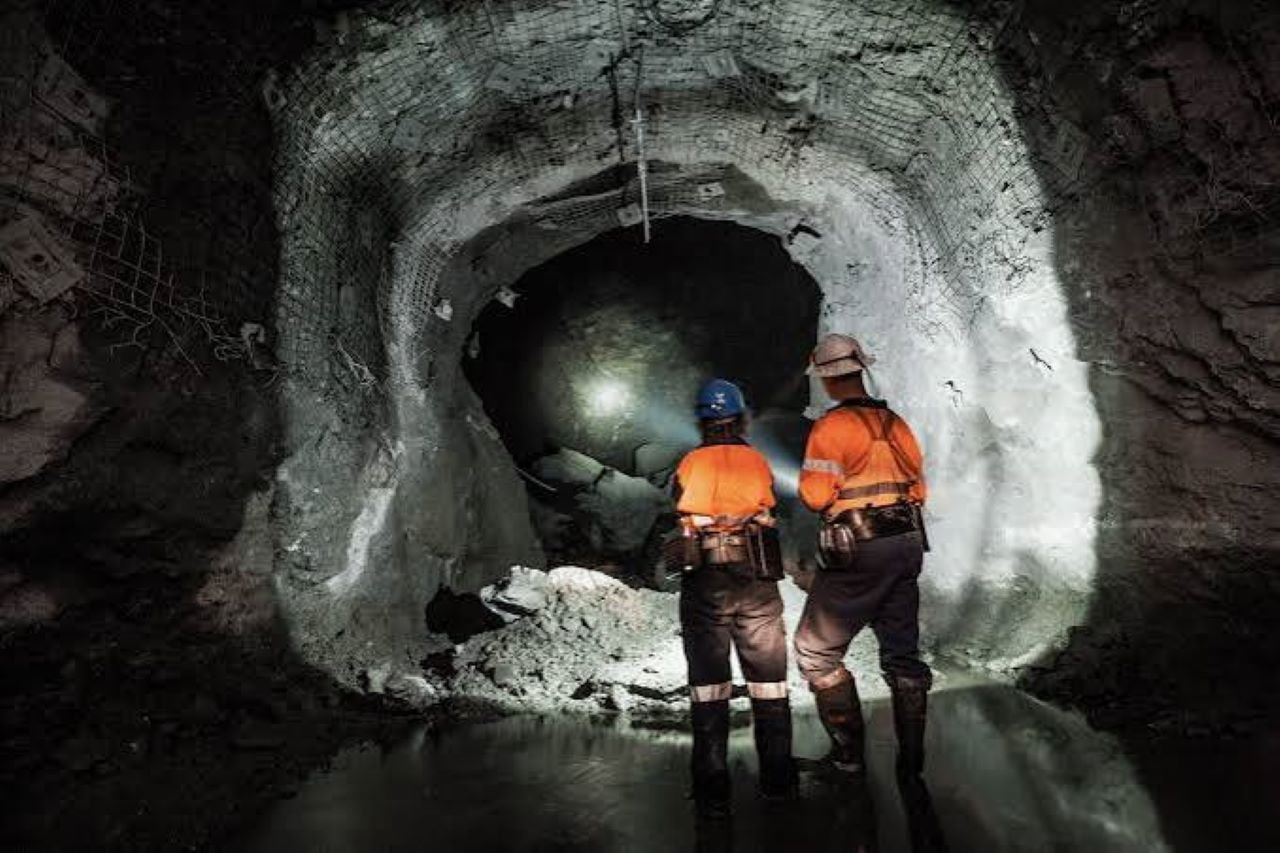
Ground stabilization has become one of the most important aspects of modern civil engineering. Whether a project involves tunnel excavation, slope protection, foundation reinforcement, or underground infrastructure, engineers depend on reinforcement systems that can perform reliably under challenging geological conditions. Among the solutions widely used in geotechnical applications, SDA hollow bars have gained recognition for their ability to combine drilling, grouting, and anchoring into an efficient installation process.
As construction projects become more technically demanding, contractors look for reinforcement systems that improve productivity without compromising structural performance. Hollow bar systems have become a practical choice because they simplify installation while providing dependable load transfer in difficult ground conditions.
Designed for Challenging Ground Conditions
Construction sites rarely offer ideal soil or rock conditions. Loose soil, fractured rock, and unstable formations often require specialized reinforcement methods that can stabilize the surrounding ground during excavation.
Hollow bar systems are particularly effective in these environments because they allow drilling and grouting to take place through the same bar. This approach helps improve bonding with the surrounding material while reducing the number of installation steps required on site.
The result is a reinforcement solution that supports stability while improving construction efficiency.
Supporting a Wide Range of Engineering Projects
Modern infrastructure includes many projects where reliable ground support is essential. Transportation tunnels, bridge foundations, retaining structures, mining developments, hydroelectric facilities, and slope stabilization projects all require dependable reinforcement systems.
Because geological conditions vary from one project to another, engineers often select solutions that can adapt to different environments while maintaining consistent performance. Hollow bar systems provide flexibility for many types of ground improvement applications.
Their versatility has made them an important part of contemporary geotechnical engineering.
Improving Installation Efficiency
Construction schedules are closely managed, and reducing unnecessary installation time can significantly improve project productivity. Reinforcement systems that combine multiple functions into a single process help contractors complete work more efficiently.
By allowing drilling fluid or grout to pass directly through the center of the bar, SDA hollow bars simplify installation while supporting effective ground reinforcement. Fewer installation stages can also reduce equipment changes and improve workflow on demanding job sites.
Efficiency benefits both project schedules and overall operational planning.
Strength and Long-Term Performance
Ground support systems must remain reliable throughout the service life of a structure. Reinforcement products are expected to withstand heavy loads, changing ground pressure, and environmental exposure over extended periods.
High-quality manufacturing, appropriate material selection, and careful quality control contribute to dependable long-term performance. Properly engineered reinforcement systems help maintain structural integrity while reducing future maintenance requirements.
Durability remains one of the key considerations in geotechnical construction.
Engineering Precision Matters
Every reinforcement product must meet strict engineering specifications to perform correctly after installation. Dimensional accuracy, material consistency, and manufacturing quality all influence the effectiveness of the finished system.
Modern production technologies help manufacturers maintain precise tolerances while delivering consistent products for projects with demanding technical requirements.
Reliable manufacturing supports safer and more predictable construction outcomes.
Innovation Continues to Advance Ground Support
Geotechnical engineering continues evolving as new construction methods and materials improve project performance. Engineers increasingly seek reinforcement systems that provide greater efficiency, adaptability, and reliability without increasing installation complexity.
Ongoing innovation has helped expand the use of SDA hollow bars across infrastructure projects where challenging ground conditions require dependable reinforcement solutions.
These developments continue supporting safer and more efficient construction practices around the world.
Choosing the Right Supply Partner
Selecting a supplier involves more than comparing product availability. Construction companies often evaluate manufacturing quality, technical expertise, production consistency, and dependable delivery when choosing reinforcement materials.
Working with an experienced supplier helps ensure that products meet engineering requirements while supporting efficient project execution. Strong collaboration between suppliers and contractors contributes to successful outcomes from planning through final installation.
Conclusion
Ground reinforcement remains a fundamental part of modern infrastructure development. As engineering projects become more complex, dependable reinforcement systems play an increasingly important role in maintaining stability and safety.
With their efficient installation process, strong structural performance, and adaptability across different ground conditions, SDA hollow bars continue to provide valuable support for tunneling, foundation work, slope stabilization, and a wide range of geotechnical construction applications.