Modern manufacturing is moving toward more integrated production methods that combine material efficiency, precision processing, and consistent quality control. As industrial products become more compact and functionally complex, manufacturers need component solutions that can reduce unnecessary machining operations while maintaining strict dimensional requirements.
Aluminum extrusion combined with CNC machining has become an effective approach for producing lightweight yet highly accurate industrial components. Companies that specialize in precision manufacturing, such as Yueyi Precision, help customers integrate extrusion processes, machining operations, and quality control methods to develop reliable aluminum components for different industrial applications.
Unlike conventional machining methods that remove material from solid blocks, extrusion-based manufacturing starts with an optimized profile design. This allows CNC machining to focus on critical features while improving production efficiency and material utilization.
The Growing Need for More Efficient Precision Manufacturing
Industrial manufacturers are facing increasing pressure to improve production efficiency while maintaining high-quality standards. Components used in automation equipment, electronics, industrial machinery, and communication systems often require a combination of:
l Lightweight construction
l Accurate dimensions
l Strong mechanical performance
l Repeatable production quality
CNC machining remains an essential manufacturing process because it provides excellent accuracy and flexibility. However, producing large structural components entirely through machining can require significant material removal, longer processing times, and higher manufacturing costs.
By combining extrusion technology with CNC machining, manufacturers can create a more balanced production strategy. The extrusion process forms the basic geometry of the component, while CNC machining provides the precision features required for final assembly and functionality.
This approach allows manufacturers to achieve complex component designs while improving overall manufacturing efficiency.
What Are Profile Precision Extrusions?
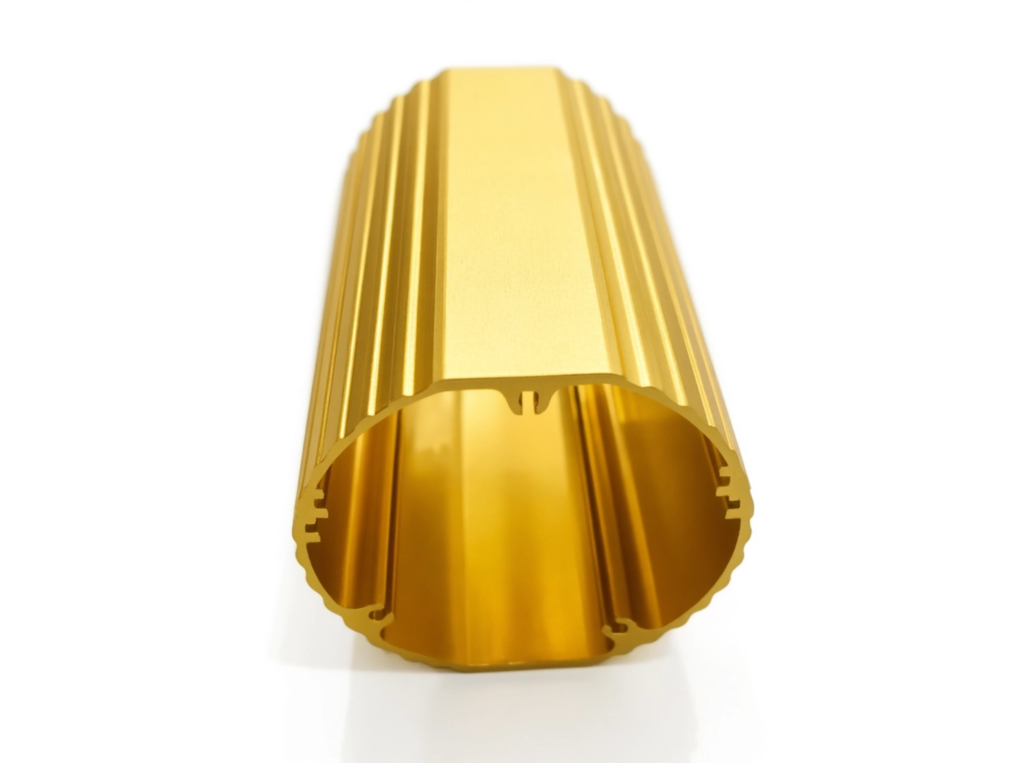
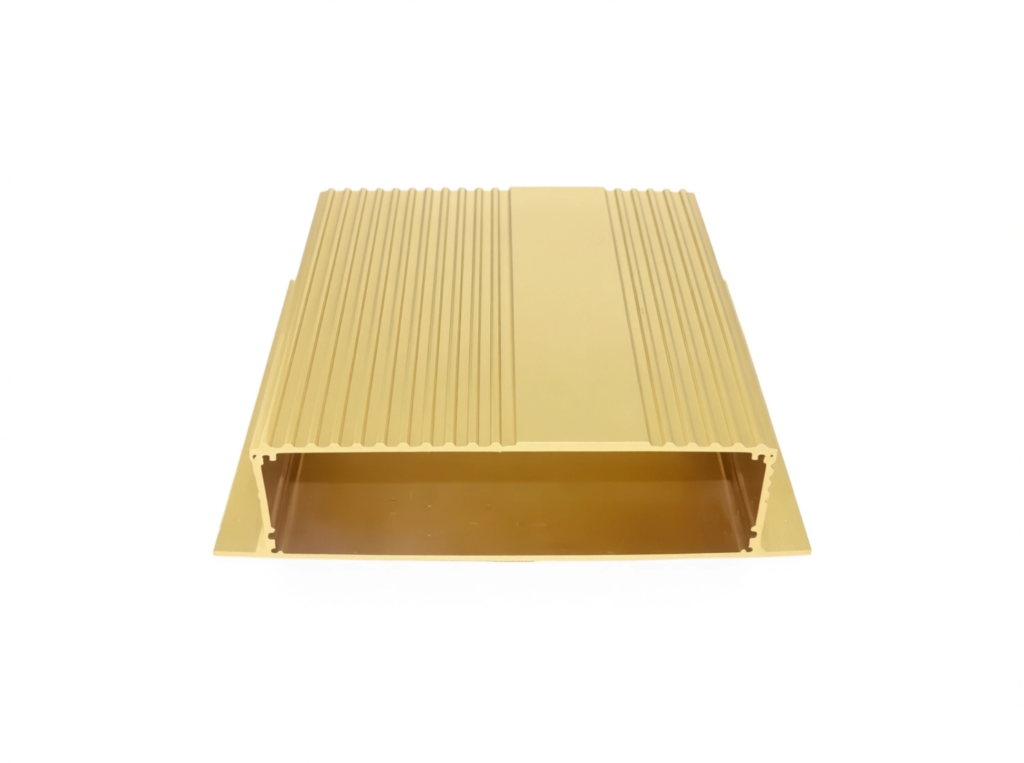
Profile precision extrusions are customized aluminum profiles manufactured with controlled dimensional accuracy and consistent geometric performance. Compared with standard aluminum profiles, precision extrusion solutions are designed for applications where profile accuracy, structural performance, and integration with secondary machining processes are important.
During the extrusion process, aluminum alloy material is shaped through a customized die to create a specific cross-sectional profile. Engineers can optimize the profile design based on mechanical requirements, weight limitations, assembly methods, and manufacturing needs.
Key characteristics of precision extrusion profiles include:
l Customized cross-sectional designs
l Efficient material distribution
l Reduced machining requirements
l Consistent production dimensions
l Compatibility with CNC machining processes
For industrial applications requiring accurate aluminum components, understanding extrusion design principles and tolerance considerations is essential. More engineering details about profile precision extrusions can help manufacturers evaluate suitable solutions for their projects.
How Profile Precision Extrusions Work with CNC Machining
The combination of extrusion and CNC machining provides manufacturers with greater flexibility compared with using either process alone.
The extrusion process creates the main structural form of the component, which reduces the amount of machining required. CNC machining is then used to produce detailed features that cannot be achieved through extrusion alone.
Typical CNC machining operations after extrusion include:
l Precision drilling
l Thread machining
l Slot and pocket creation
l Surface finishing
l Complex connection features
This manufacturing method is particularly valuable for components requiring both structural efficiency and precise functional interfaces.
For companies looking for integrated production capabilities, selecting an experienced custom aluminum extrusion manufacturer can simplify the transition from profile development to finished component production.
A capable supplier can support multiple stages of the process, including extrusion design, CNC machining, inspection, and finishing requirements.
Advantages of Combining Aluminum Extrusion and CNC Machining
Reduced Material Waste
One of the main advantages of extrusion-based manufacturing is improved material utilization. Instead of machining a final shape from a solid aluminum block, extrusion creates a profile that is already close to the required geometry.
This reduces unnecessary cutting operations and helps lower material waste during production.
Improved Production Efficiency
When producing repeated components, reducing machining time can significantly improve manufacturing efficiency. Extrusion provides a consistent starting point, allowing CNC machines to focus only on critical areas that require higher precision.
This approach can shorten production cycles and improve manufacturing scalability.
Greater Design Flexibility
Industrial products often require customized structures that cannot be achieved with standard profiles. Precision extrusion allows engineers to create unique geometries that support specific functional requirements.
When combined with CNC machining, these profiles can become complete ready-to-install components rather than simple structural elements.
Consistent Component Quality
Maintaining consistent quality across production batches is essential for industrial applications. Extrusion provides repeatable profile dimensions, while CNC machining ensures accurate final features.
Together, these processes create a reliable manufacturing workflow for precision aluminum components.
Industrial Applications of Precision Extrusion Components
The combination of aluminum extrusion and CNC machining is widely used in industries where lightweight structures and precise performance are required.
Automation Equipment
Automation systems often rely on aluminum components for frames, brackets, supports, and mechanical assemblies. Precision extrusion profiles provide strong structural performance while CNC machining creates accurate mounting and connection features.
Electronics and Communication Equipment
Many electronic products require lightweight aluminum components with good thermal properties and precise mechanical interfaces. Machined extrusion profiles can be used for housings, frames, and support structures.
Industrial Machinery
Manufacturing equipment requires components that can maintain stability during continuous operation. Precision aluminum extrusion solutions help create durable and repeatable assemblies.
Transportation Systems
Aluminum profiles are increasingly used in applications where weight reduction and structural efficiency are important. CNC machining enables these profiles to meet application-specific requirements.
Factors to Consider When Selecting a Precision Extrusion Partner
Choosing the right manufacturing partner can directly influence product quality, production efficiency, and long-term reliability.
Important evaluation factors include:
Engineering Support
A qualified supplier should understand both extrusion design and machining requirements. Early technical communication can help optimize designs and avoid unnecessary manufacturing challenges.
Quality Control Capability
Precision components require reliable inspection methods. Manufacturers should have appropriate measurement equipment and quality procedures to verify critical dimensions.
Manufacturing Integration
A supplier capable of handling multiple processes can simplify project management. Integrated extrusion, CNC machining, and finishing capabilities reduce coordination challenges between different suppliers.
Production Scalability
The right partner should support different production requirements, from initial component development to larger-volume manufacturing.
Conclusion
As industrial manufacturing continues to demand lighter, more efficient, and highly customized components, combining aluminum extrusion with CNC machining has become an increasingly valuable production strategy.
Profile precision extrusions provide an optimized foundation for creating complex aluminum components, while CNC machining adds the detailed features required for final functionality and assembly.
By integrating extrusion design, precision machining, and quality control, manufacturers can achieve improved efficiency, reduced material waste, and consistent component performance across different industries.