Getting told you need a root canal is stressful enough. Then comes the big question — how much will it cost? That worry is completely normal. Dental bills can catch you off guard, especially when you have no idea what’s coming.
Root canal treatment cost isn’t one fixed number. It shifts based on several things. Your location plays a part. So does the tooth and your insurance plan. Once you understand what drives the price, it’s much easier to prepare.
This post breaks it all down. You’ll learn average prices, what affects the cost, and how to save. Let’s get into it.
What Is a Root Canal Treatment?
A root canal is a common dental procedure. It removes infected tissue from inside the tooth. Then the dentist cleans and seals everything up. It sounds intense, but it’s actually pretty routine.
Here’s the big win — it saves your tooth. Without treatment, that tooth would likely need pulling. That’s something most people really want to avoid.
Why People Need a Root Canal
There are a few reasons this treatment becomes necessary. Deep decay is one of the most common. A cracked tooth can also let bacteria sneak in. Sometimes an infection builds up and causes serious pain.
A root canal stops that infection. It takes away the pain too. And your natural tooth gets to stay right where it belongs.
How Much Does a Root Canal Cost on Average?
Here’s what you’re really looking for. Most root canals cost somewhere between $700 and $1,500. Yes, that’s a wide window. But the variation makes sense once you know the reasons.
The type of tooth matters a lot. The dentist you choose matters too. And the city where you live plays a real role in the final number.
Average Cost by Tooth Location
Front teeth are typically the least expensive. They have one root, so treatment is simpler. Molars are a whole different story. They sit further back and have multiple roots. That complexity takes more time and more skill.
Premolars fall somewhere in between. So the Root Canal Treatment Cost really comes down to which tooth is causing the trouble.
Extra Costs to Keep in Mind
The root canal fee isn’t always the final number. Other charges can get added on. A dental crown is often needed after treatment. X-rays are usually required too. You might also need a follow-up visit or two.
Always ask for a full breakdown before agreeing to anything. That way, no surprise charges show up later.
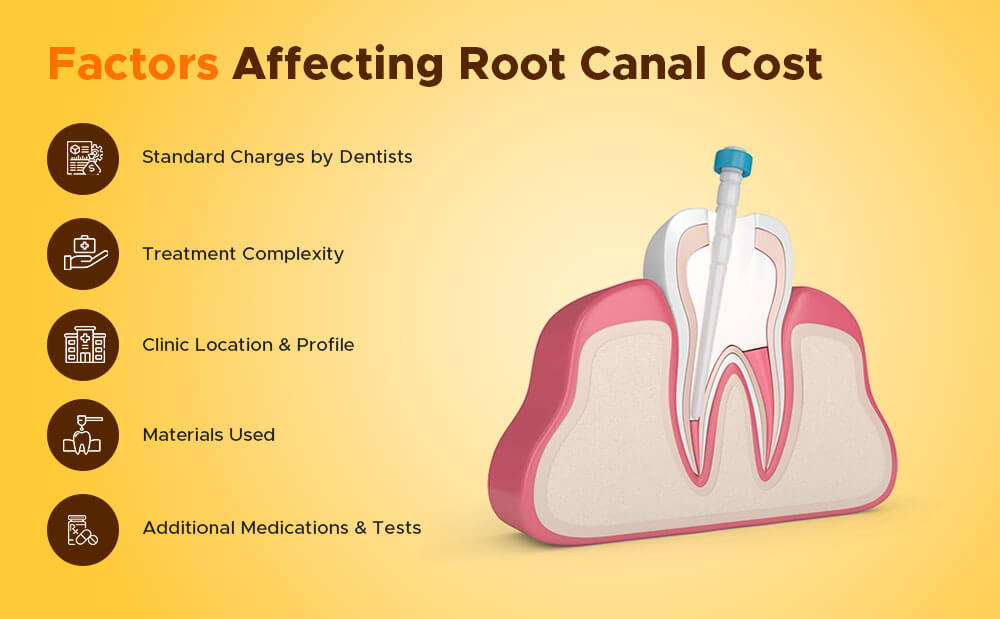
What Factors Affect the Cost of a Root Canal?
Prices vary a lot between patients. A few key factors explain why. Let’s walk through each one.
Tooth Location and Number of Roots
Back teeth have more roots and tighter angles. Cleaning all of them takes longer. And more time in the chair means a higher fee. That’s just how it works.
Front teeth are simpler. Fewer roots equals less time and lower cost. It’s pretty straightforward.
Severity of the Infection
A mild infection is easier to treat. It usually takes one visit. A severe or long-ignored infection is different. It might need multiple appointments and a lot more careful work.
The harder the case, the bigger the bill. Early treatment almost always costs less.
Type of Dentist You See
General dentists handle many root canals just fine. But some cases need a specialist — called an endodontist. Endodontists focus only on this type of treatment. They tend to charge higher rates. For a complex tooth, though, that extra expertise is worth it.
Your Location
Where you live really does affect the price. Dental costs vary from city to city. Even nearby towns can have different rates.
Root Canal Cost In Richmond may look different from what you’d pay in a larger metro area. Local overhead and demand both influence what dentists charge.
Root Canal Cost With and Without Insurance
This is where the numbers shift dramatically. Your insurance situation changes everything. Here are the two main paths.
Cost With Dental Insurance
If you have dental coverage, you’re in a better spot. Most plans cover a portion of root canal treatment. Some cover half. Some cover even more. Your out-of-pocket cost drops significantly with a good plan.
Always verify your coverage before your appointment. Ask what your plan pays and what you’ll owe. No surprises that way.
Cost Without Insurance
Paying out of pocket feels daunting. The Cost of Root Canal Without Insurance can be the full treatment price. That’s a real financial hit. But you’re not out of options.
Payment plans exist. So do dental discount programs. There are ways to make it manageable, even without coverage. We’ll talk about those right now.
Ways to Save Money on Root Canal Treatment
A large dental bill doesn’t have to break your budget. There are practical steps you can take. These options are real and they actually work.
Dental Payment Plans and Financing
Many dental offices let you spread the cost over time. Instead of one large payment, you make smaller monthly ones. That’s a huge relief for most people.
Some offices partner with financing companies too. Look for low-interest or zero-interest options. It’s always worth asking before you assume it’s not available.
Dental Discount Plans and Schools
Dental discount plans work differently than insurance. You pay a yearly membership fee. In exchange, you get reduced pricing on services. It can cut costs by a meaningful amount.
Dental schools are another solid option. Students perform the work under direct supervision by licensed professionals. You still get proper care — just at a much lower price.
Compare Quotes and Ask Questions
Never go with the very first price you’re given. Call around to a few dental offices. Request written estimates from each one.
Compare them side by side. Look for hidden fees. Ask what’s included in the quote. A bit of effort here can save you hundreds.

Why Delaying Treatment Costs More
Waiting feels like a way to save money. It’s almost never true. Putting off a root canal usually makes things worse and more expensive.
The Risk of a Worse Infection
Infections don’t stay small. They spread. What started as a manageable problem can turn into something far more serious. More damage means more treatment. More treatment means a bigger bill.
Treating it early keeps both the procedure and the cost as simple as possible.
Losing the Tooth Entirely
If the infection goes too far, the tooth can’t be saved. Then it has to come out. And replacing a missing tooth isn’t cheap.
A dental implant or bridge can cost far more than the original root canal would have. Keeping your tooth now is almost always the smarter financial move.
When Should You See a Dentist?
Your body usually gives you signals. The trick is not ignoring them. Early action leads to simpler and cheaper treatment.
Symptoms You Shouldn’t Ignore
A toothache that just won’t quit is a big sign. Swelling around the gum is another red flag. Sensitivity to heat or cold that lingers longer than normal — pay attention to that.
A tooth that looks darker than it used to could also be a clue. If you notice any of these, don’t wait. Call your dentist.
The Value of an Early Checkup
Catching an issue early means less work to fix it. Less work usually means lower cost. That’s a straightforward win.
A checkup also gives you a real price estimate specific to your situation. If you’re looking into Root Canal Treatment in Richmond, don’t delay. Schedule a visit, get the facts, and move forward with confidence.
Conclusion
Root canal costs aren’t one-size-fits-all. The final price depends on your tooth, your dentist, your location, and your coverage. But in most cases, the treatment is absolutely worth the investment.
You have options. Insurance helps. Payment plans make the cost easier to manage. And treating the problem early almost always costs less than waiting.
Protecting your tooth now beats dealing with bigger, more expensive problems later. That’s the bottom line.
Ready to find out your exact cost? Book a consultation for Root Canal Treatment in Richmond. You’ll walk away with a personal estimate and real peace of mind. Your smile is worth it.
Frequently Asked Questions
Is a root canal cheaper than pulling a tooth?
It usually is — especially when you look at the long-term picture. Pulling a tooth seems like the cheaper fix upfront. But replacing it with a bridge or implant costs significantly more. Keeping your natural tooth through a root canal is almost always the smarter financial choice.
Does insurance usually cover root canal treatment cost?
Yes, many dental insurance plans do cover part of the cost. Coverage often lands around fifty percent, though every plan is different. Check your benefits before booking your appointment. Knowing your share ahead of time helps you avoid unexpected charges on your final bill.
How can I lower my root canal cost?
Start by asking your dentist about monthly payment plans. Dental discount plans and dental school clinics are also worth looking into. Getting written quotes from a few different offices lets you compare options. And acting sooner rather than later keeps the treatment simpler and the total cost lower.



I do not even understand how I ended up here, but I assumed this publish used to be great