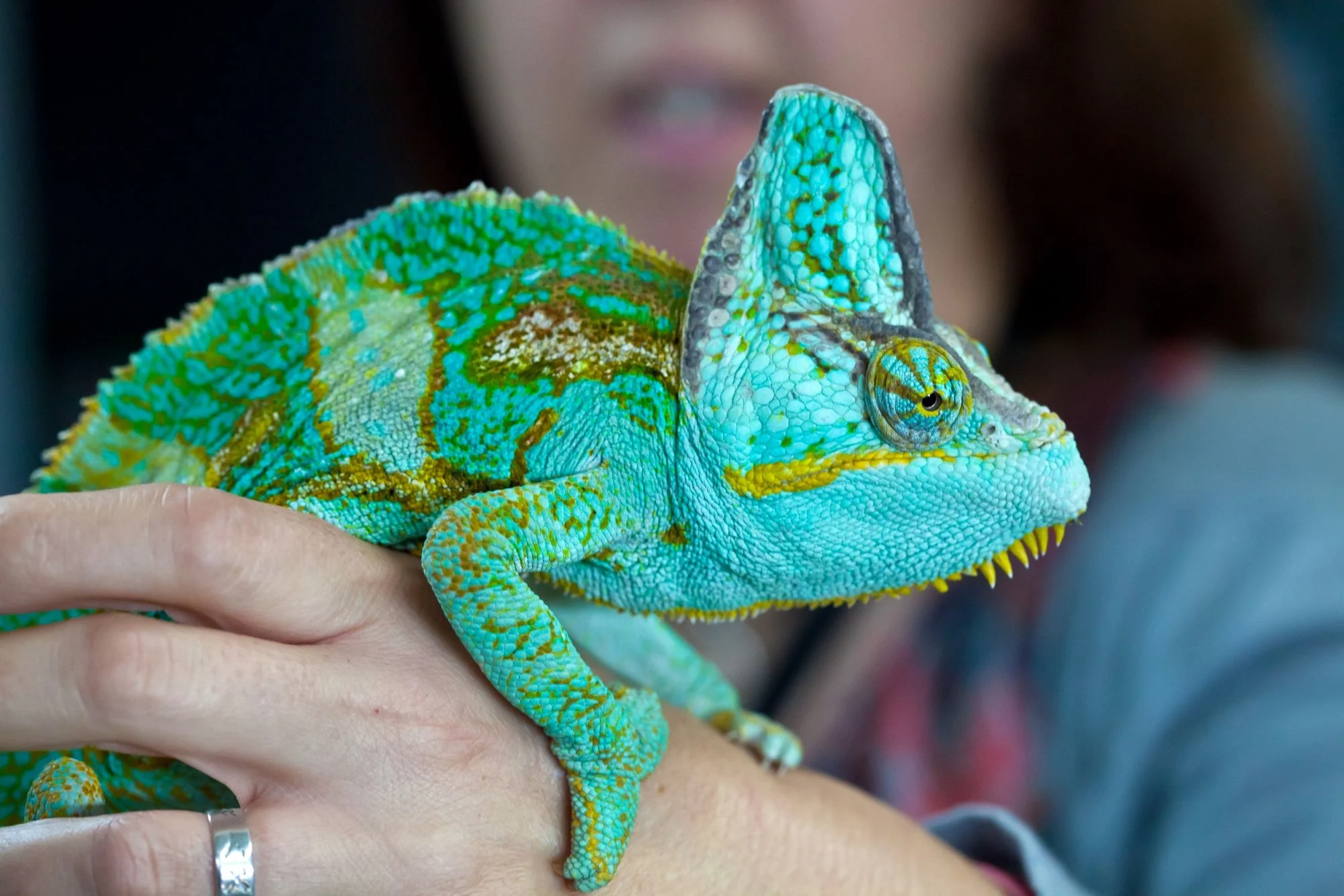
Exotic pets can be fascinating companions. Birds, reptiles, amphibians, guinea pigs, rodents and other unusual animals often appeal to people who want a pet with a different personality, appearance or style of care from a dog or cat. Some are quiet and observant. Some are highly intelligent and social. Others are independent, delicate or strongly shaped by their environment.
Good intentions are a reasonable starting point, but they are not enough on their own. Many exotic pets have specific needs that are easy to underestimate before bringing the animal home. Their diet, housing, lighting, temperature, humidity, handling and veterinary care can be very different from what people expect.
Exotic pets can suit many households, including families and first time owners, but preparation matters. The more a person understands about the species, the better chance that pet has of living a healthy, settled and appropriate life in captivity.
Exotic Pets Are Not All the Same
One of the most common mistakes people make is treating exotic pets as one broad group. A cockatiel, a python, a bearded dragon, a frog and a guinea pig may all sit outside the usual dog and cat category, but their needs are completely different.
Birds may need daily social interaction, flight or movement opportunities, safe perches, foraging activities and a carefully balanced diet. Reptiles depend heavily on correct heating, UVB lighting, humidity, enclosure design and access to temperature gradients. Guinea pigs need constant access to suitable hay, appropriate vitamin C intake, space, companionship and careful monitoring of appetite and droppings.
Even within a species, there can be major differences. A young animal may need different care from an older one. A rescued pet may be more fearful or reactive. A species that seems calm and low maintenance may still require a precise environment to stay well.
Good ownership starts with learning about the individual animal, rather than relying on assumptions based on how easy or appealing the pet appears.
The Problem With Online Advice
Many exotic pet owners are careful and committed, but they often receive conflicting advice. Information may come from pet shops, social media groups, forums, breeders, friends, old care sheets or short online videos. Some of it may be useful. Some of it may be outdated, incomplete or simply wrong.
This can make it difficult for owners to know what to trust. A reptile keeper may see different recommendations for basking temperatures, UVB lighting or substrate. A bird owner may be told that a seed diet is acceptable because it has been used for years. A guinea pig owner may not realise how quickly a drop in appetite can become serious.
The issue is rarely a lack of care. More often, owners are trying to do the right thing but are working from unreliable information. Articles that challenge common exotic pet care myths can help owners recognise where popular beliefs may not match the animal’s real needs.
Housing Is Part of Health
For many exotic pets, the enclosure is not simply a place to keep the animal contained. It is one of the most important parts of health care.
A reptile enclosure must allow the animal to regulate its body temperature. This usually means providing warmer and cooler areas, appropriate lighting, suitable humidity, secure hiding places and safe surfaces. A bird cage should allow movement, perching, enrichment, rest and protection from hazards such as fumes, draughts or constant household stress. Small mammals need appropriate bedding, space, hiding places, social consideration and protection from heat, cold and predators.
Poor housing can quietly create health problems. A reptile without correct heat or UVB may develop appetite, digestion, immune or metabolic issues. A bird in a stressful location may become anxious, noisy, withdrawn or destructive. A guinea pig kept in unsuitable conditions may develop foot, dental, digestive or behavioural problems.
Many of these issues are preventable when owners view housing as active care rather than equipment.
Diet Mistakes Can Have Long Term Effects
Feeding an exotic pet can be more complicated than it appears. Some animals are very selective eaters. Some have nutritional needs that are easily misunderstood. Others may continue eating an unsuitable diet for a long time before the health effects become obvious.
Birds are a common example. Many pet birds enjoy seeds, but a seed-heavy diet can be too high in fat and too limited in important nutrients. Reptile diets vary widely depending on the species. Some need insects, some need plant matter, some need careful calcium and vitamin support, and some have very specific feeding patterns. Guinea pigs require a diet built around hay, appropriate fresh foods and vitamin C.
Treats can also become a problem. Owners naturally enjoy giving food as a form of affection, especially when the animal responds eagerly. However, foods that are enjoyable are not always healthy. Too many treats, unsafe foods or an unbalanced diet can contribute to obesity, dental disease, digestive problems and other health concerns.
A good diet should be based on species, age, health status and veterinary advice rather than convenience or guesswork.
Behaviour Is Easy to Misinterpret
Exotic pets often communicate discomfort in subtle ways. Many are prey species, so they may hide signs of stress or illness until a problem is more advanced. Others may show behaviours that people misread.
A bird that screams repeatedly may be bored, frightened, hormonal, under stimulated or seeking attention. A reptile that stays still for long periods may be resting, but it may also be too cold, stressed or unwell. A guinea pig that hides constantly may be naturally cautious, but it may also be frightened by noise, poor handling or a lack of secure spaces.
Behaviour should be viewed in context. Owners need to consider housing, diet, temperature, lighting, social interaction, handling and health. A sudden change in behaviour should never be dismissed as personality alone.
Observation is one of the most useful habits an owner can develop. Noticing how the animal eats, moves, rests, responds to handling and uses its enclosure can provide early clues when something changes.
Legal and Ethical Responsibilities Matter
Before acquiring an exotic pet, owners should check whether the animal can legally be kept in their area. Laws vary between countries, states and territories. Some animals that are common pets in one place may be restricted or prohibited elsewhere. Native wildlife, reptiles, amphibians and some other species may require licences, permits or proof of legal origin.
This matters for animal welfare as well as legal compliance. Illegal or poorly regulated trade can contribute to poor husbandry, stress, disease, environmental harm and pressure on wild populations. Responsible owners should make sure their pet has been sourced legally and ethically.
Ethical ownership also means thinking honestly about whether the animal’s needs can be met long term. Some exotic pets live for many years. Some require specialised equipment. Some need daily attention, controlled environments or experienced handling. An animal should never be purchased simply because it looks interesting or unusual.
Veterinary Care Should Not Wait for a Crisis
Many exotic pets are brought to a vet only when they are visibly unwell. By that stage, the problem may already be advanced. Birds, reptiles and small mammals can hide illness very effectively, and early signs may be easy to miss.
Preventive veterinary care gives owners a better chance to identify issues before they become urgent. A vet experienced with exotic animals can assess body condition, diet, enclosure setup, behaviour, skin, feathers, scales, nails, teeth and other species specific details. These checks are also an opportunity to ask questions and refine care at home.
For new owners, an early veterinary visit can be particularly helpful. It provides a chance to confirm whether the diet, housing, lighting, humidity and handling routine are suitable. Small improvements made early can prevent stress, illness and expensive emergency care later.
Veterinary care is not only about treating disease. For exotic pets, it is often about helping owners create the right environment in the first place.
Children and Exotic Pets Need Careful Supervision
Exotic pets can teach children patience, empathy and respect for animals. However, they are not always suited to rough handling or constant interaction. Many exotic animals are easily frightened by sudden movement, loud noise or being grabbed.
Children should be taught that watching an animal is often just as valuable as touching it. A lizard basking, a bird foraging or a guinea pig exploring a tunnel are all natural behaviours worth observing. When handling is appropriate, it should be calm, gentle and supervised by an adult.
This protects both the child and the animal. It also helps build a more respectful relationship. A pet that feels safe is more likely to become confident over time.
Good Ownership Is an Ongoing Process
Exotic pet ownership is not a one time setup. Needs can change as the animal grows, ages, recovers from illness or responds to its environment. Equipment may need updating. Diets may need adjustment. Behaviour may change with seasons, maturity, stress or health.
Good owners continue learning. They ask questions, observe their pets carefully and remain willing to make changes when something is not working. They also understand that advice should come from reliable sources, especially when the animal’s health is involved.
Good intentions matter, but they need to be supported by knowledge, preparation and appropriate veterinary care. Exotic pets depend on their owners to create environments that allow them to eat, move, rest, explore and behave in ways that support their wellbeing.
When owners take that responsibility seriously, exotic pets can be rewarding companions. They offer a different kind of connection, one built on careful observation, respect and a genuine effort to understand the animal on its own terms.